Eastern Germany chemicals face investment drift
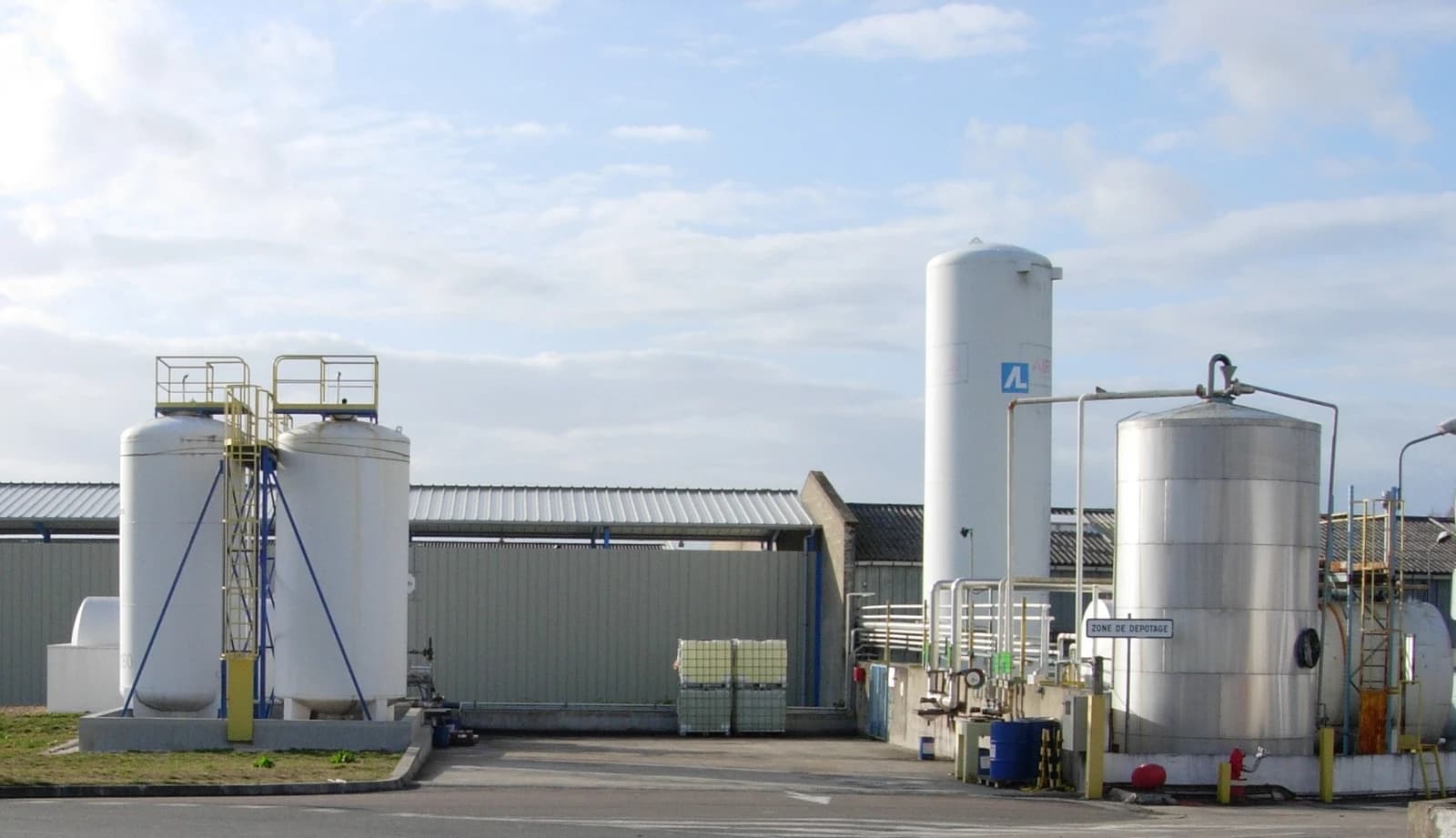
Chemicals companies in eastern Germany are facing a location problem that is increasingly becoming a competitiveness problem, with weak investment plans and a softer industrial backdrop threatening to leave one of Europe’s most important manufacturing hubs underpowered just as global chemicals demand remains fragile.
The issue matters because chemicals sit at the core of Germany’s industrial model: they feed autos, construction, pharmaceuticals and engineering, and they anchor a broad supplier network that depends on reliable, low-cost feedstocks, power and logistics. If plants in the east are left with fewer upgrades and less new capital, the result is not just lower output but a slower erosion of the region’s ability to attract the next wave of high-value production.
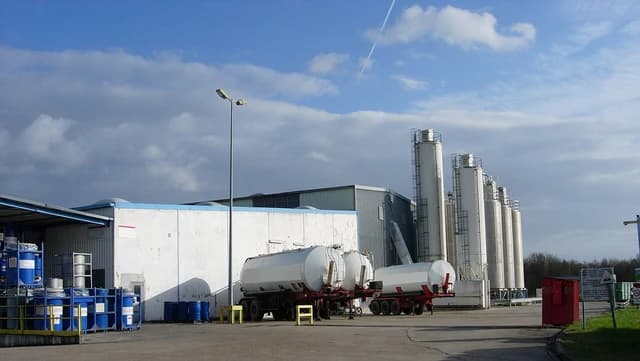
The macro backdrop is not helping. German industrial production remains above its pandemic trough, but the recovery has been uneven, and Europe’s broader manufacturing cycle is still struggling with weak volumes, high energy costs and sluggish export demand. In the US, by contrast, industrial activity is edging higher and the labor market remains relatively tight, underscoring how much more exposed German chemicals are to structural cost pressures than to a cyclical rebound. The contrast helps explain why companies are becoming more selective about where they commit capital.
That is especially important for chemicals, where investment decisions are lumpy and long-term. Once a plant is built, companies typically stay put for years, but new capacity tends to follow places with cheap power, dependable infrastructure and proximity to customers. Eastern Germany can offer industrial land and a skilled workforce, but it still has to compete with regions offering better logistics, denser supply chains and lower perceived political and operational risk. A freeze in new investment suggests those advantages are not yet enough.
For listed players, the story is less about imminent earnings damage than about strategic drift. Linde’s shares have been comparatively resilient, reflecting investors’ preference for businesses with global pricing power and diversified end markets. Dow, by contrast, has been far more volatile, and its recent technical picture has weakened, with the stock trading around its 50-day moving average and momentum indicators pointing to renewed pressure. That divergence reflects a broader market view: companies with greater exposure to commodity chemicals and European manufacturing are more vulnerable to a prolonged investment slump.
There is also a policy angle. Germany wants to preserve its industrial base while decarbonizing it, but chemicals are among the hardest sectors to electrify and the most sensitive to power prices, carbon costs and permitting delays. If companies conclude that eastern Germany cannot offer a competitive platform for the next generation of plants, capital may migrate toward the US Gulf Coast, the Middle East or other European regions with cheaper feedstock access and faster project execution.
Investors should watch whether the current freeze remains a temporary hesitation or turns into a structural reallocation of capital. If it is the latter, the consequences would extend beyond chemicals margins to regional employment, tax receipts and Germany’s industrial supply chain. The bear case is that eastern Germany becomes a holding zone for aging assets; the bull case is that targeted policy support and lower energy costs eventually restore its appeal. For now, the market is signaling caution, not conviction.
| Entity | Gains | Losses |
|---|---|---|
| Global chemicals leaders | ▲Capital discipline | ▼New capacity growth |
| Eastern Germany | ▲Industrial jobs stability | ▼Fresh investment |
| Dow/commodity chemical names | ▲None | ▼Margin pressure |
| Linde and diversified peers | ▲Relative resilience | ▼Limited if freeze broadens |