ECB Digital Euro Plan Advances in EU

The European Central Bank’s push for a digital euro is moving from theory to policy, with Christine Lagarde saying the project matters because it would help keep the ECB in control of both the currency and the payment rails Europeans use every day.
That is the core investment story here: payments is not just plumbing, it is strategic infrastructure. If the euro area wants monetary sovereignty in a world that is rapidly shifting toward private, app-based and cross-border digital payments, policymakers need a public alternative that sits alongside bank deposits and card networks. Lagarde’s comments underline why Brussels is racing to finish the legal framework by year-end, paving the way for formal ECB approval on Jan. 1, 2027.

For investors, the implications reach well beyond the central bank. A digital euro would not replace cash overnight, but it could reshape how money moves across the bloc, pressure existing card networks and create new opportunities for banks, payment processors and fintechs that can adapt to a more standardized digital payments regime. It also raises the long-term competitive stakes for US and private-sector players that dominate much of Europe’s payments infrastructure today.
The timetable matters because the legislative work is now in motion. Talks among the European Parliament, member states and the European Commission began in July, and officials want the final law in place by the end of the year. If that happens, the ECB could move to formal approval at the start of 2027, exactly 25 years after euro banknotes and coins entered circulation.
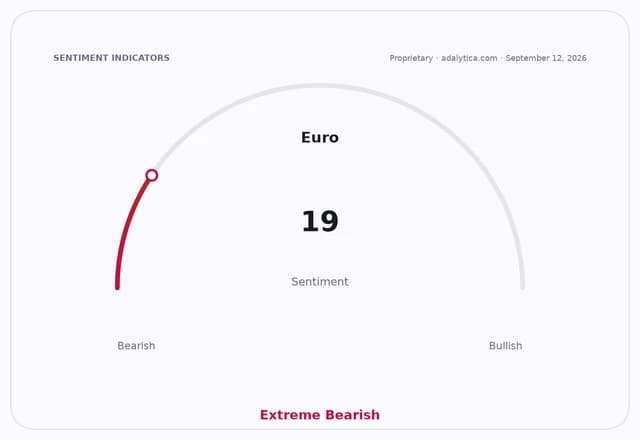
The economic logic is straightforward. Central banks are being forced to respond to a payments world in which consumers increasingly rely on digital wallets, cards and instant transfers. Without a digital public option, Europe risks outsourcing a critical part of its financial infrastructure to private firms whose priorities may not always match the bloc’s policy goals. That is why Lagarde framed the issue not just as innovation, but as sovereignty.
For long-term investors, the digital euro is a reminder that payment networks remain one of the most important battlegrounds in financial services. Companies such as Visa, Mastercard and Euronet Worldwide, which already operate in a highly competitive, regulated environment, could eventually face a more formalized European system that changes pricing power and routing economics. On the other hand, banks and fintechs that can integrate efficiently into the new framework may gain scale from a more unified digital payments market.
There are still plenty of unknowns, including the design of the wallet, limits on holdings and the role of commercial banks. But the direction is clear: Europe wants to control its monetary future as much as its physical currency. For investors, that makes the digital euro a story worth watching over the next several years, not a one-day policy headline.
| Entity | Gains | Losses |
|---|---|---|
| ECB / EU policymakers | ▲Greater payment sovereignty | ▼Dependence on private rails |
| European consumers | ▲Public digital payment option | ▼Less immediate change to habits |
| Banks and compliant fintechs | ▲New integration opportunities | ▼Margin pressure on payments |
| Card networks / private rails | ▲Higher transaction volume if adopted well | ▼Potential disintermediation |