ECB euro banknote redesign reaches public vote
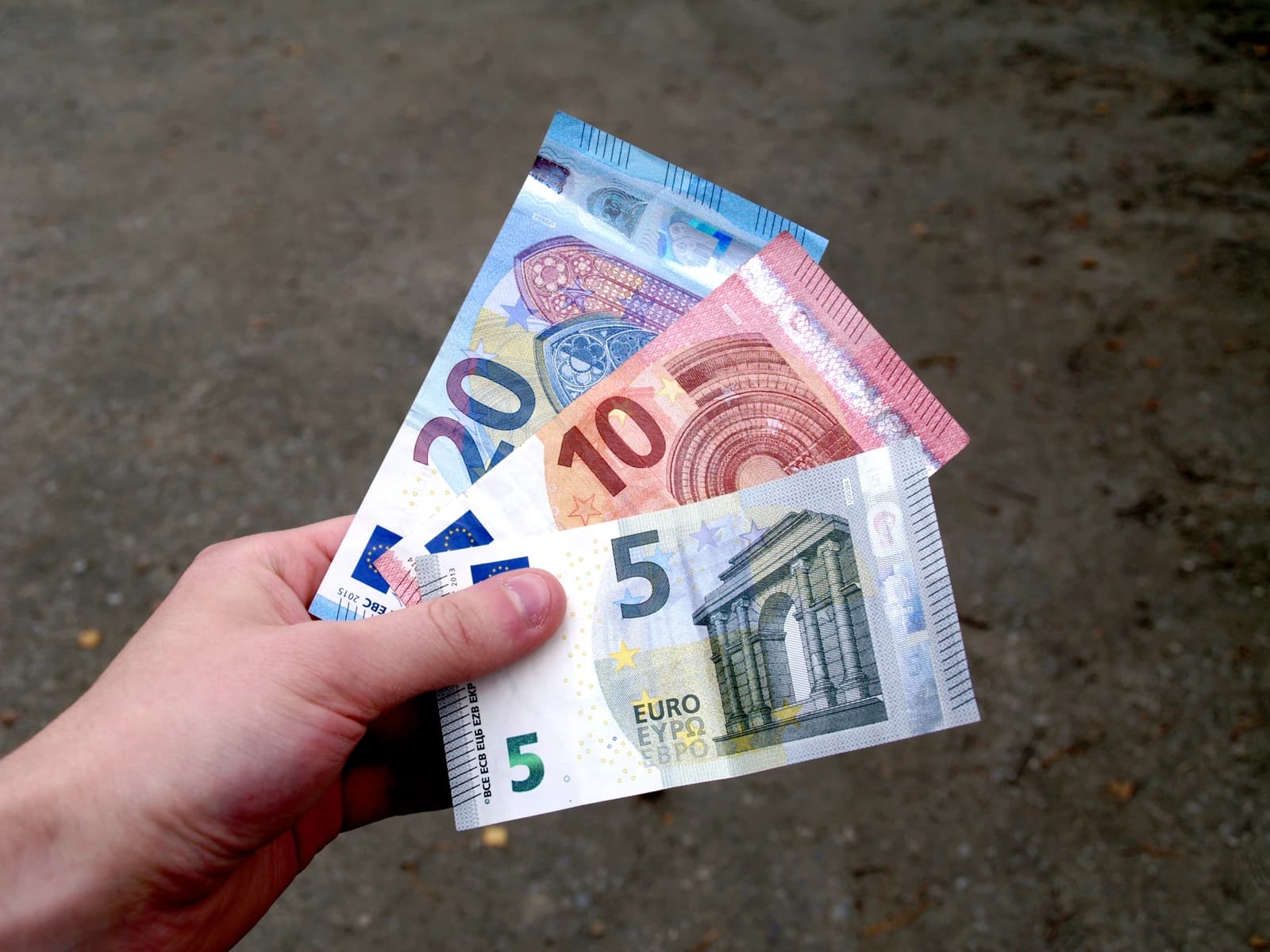
The European Central Bank is in the home stretch of a redesign of euro banknotes that will eventually affect the cash held by consumers, retailers and banks across 21 countries, with a public vote now helping decide what the next generation of notes will look like.
That matters because euro cash is still a huge piece of the payment system, with about 30 billion banknotes in circulation worth roughly 1.5 trillion euros. A new series is not just a branding exercise. It is how the ECB updates security features, makes counterfeiting harder and keeps cash usable in a more digital economy where every extra reason to carry notes has to be earned.
The central bank has narrowed more than 1,200 initial applicants to 10 design options, and citizens in the European Union can vote through Monday before the ECB makes its final call later this year. Production will begin only after the design is set, and the notes are expected to take several years to reach circulation, putting the first rollout in 2026 at the earliest.
The two shortlisted themes tell you where the ECB wants to take the euro. One is “European culture,” featuring figures such as Maria Callas, Beethoven, Marie Curie, Cervantes, Leonardo da Vinci and Bertha von Suttner. The other is “rivers and birds,” with wildlife on the front and EU institutions on the back. Either way, the bank is trying to make the notes feel more European and more recognizable, while also building in stronger anti-counterfeiting protections.
For investors, the most important point is that cash is not disappearing overnight. The euro area has spent years pushing digital payments, and that trend is real, but the ECB is still investing in banknotes because cash remains essential for resilience, inclusion and trust. That is especially relevant for banks, ATM operators, cash handlers and payment companies that still depend on a mixed system where cards, mobile wallets and physical currency all coexist.
There is also a practical business angle. The ECB has said the new notes should be easier for people with visual impairments to identify and that sustainability will be part of the redesign. Those may sound like design details, but over time they can influence production standards, distribution costs and the economics of cash infrastructure, from machines to transport networks.
The broader message is that Europe is not abandoning physical money — it is modernizing it. For households, that means the familiar euro note is likely to look different in a few years. For investors, it is another reminder that the payments landscape is evolving in layers, not in a straight line, and that the companies best positioned over the next 3 to 10 years will be the ones able to serve both the digital and cash economies.
| Entity | Gains | Losses |
|---|---|---|
| ECB | ▲Stronger security and identity | ▼Higher redesign costs |
| Euro users | ▲Easier-to-use banknotes | ▼Waiting period before rollout |
| Cash-handling firms | ▲Continued role in euro infrastructure | ▼Pressure from digital payments |
| Counterfeiters | ▲None | ▼Harder to fake banknotes |