Ecuador fruit exports rise on U.S. market access
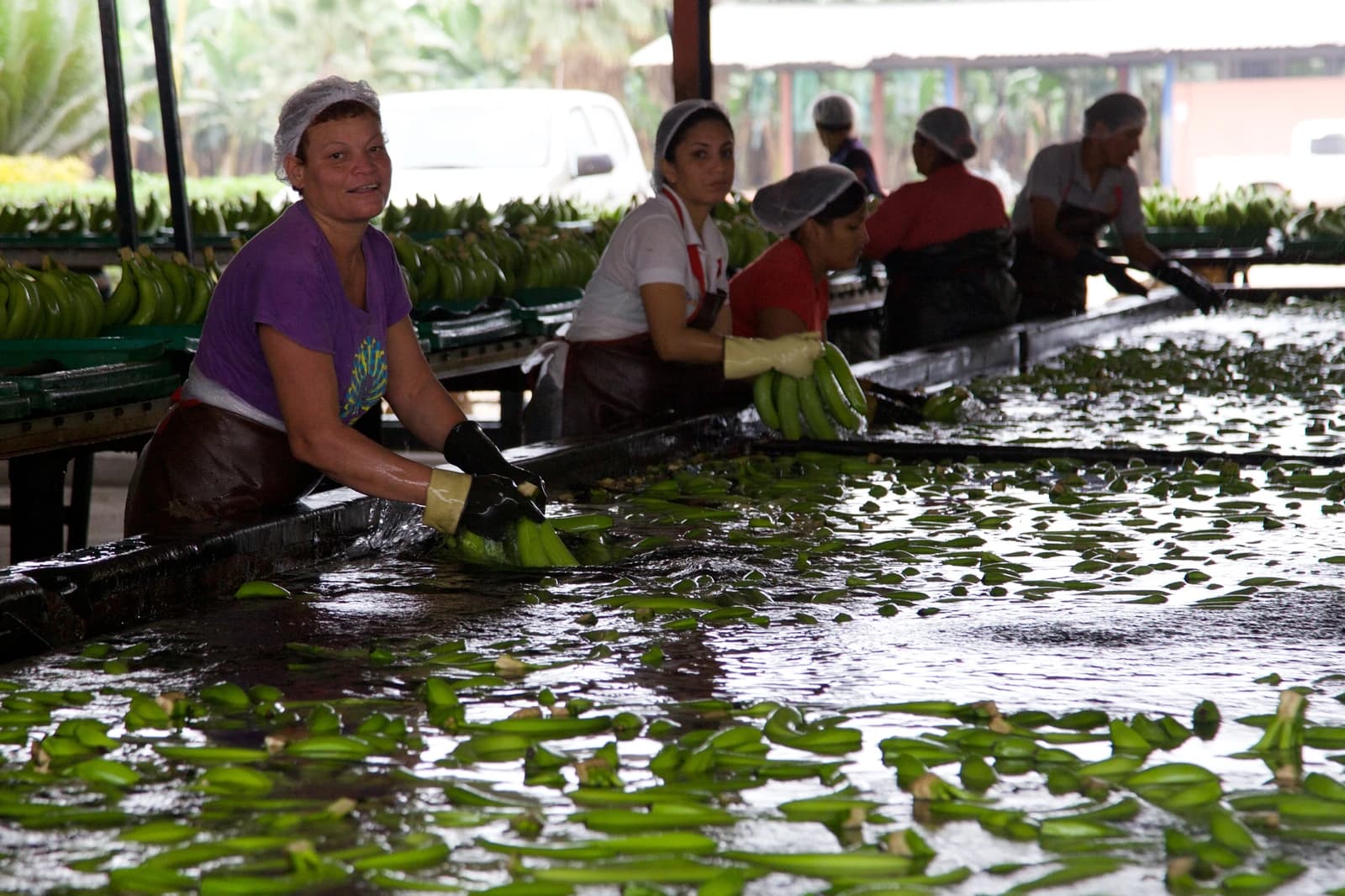
Ecuador’s fastest-growing fruit exports are telling investors a simple but important story: not all export growth is created equal, and the real money is still being made where pricing power has followed market access.
That matters because the first half of 2026 shows a classic emerging-export pattern. For blueberries and mangoes, higher volumes and higher prices are working together to lift revenue sharply. For avocados and passion fruit, exporters are shipping far more fruit, but much of the gain is being diluted by weaker prices. In other words, the sector is expanding, but only part of it is converting that expansion into real earnings.
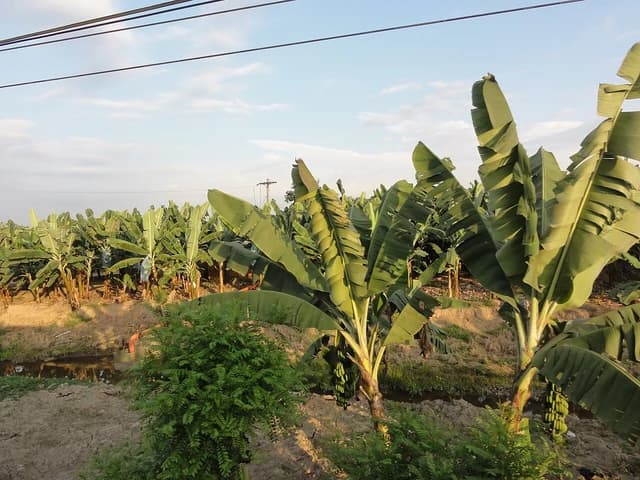
Blueberries are the clearest breakout. Export volumes jumped 152.6% from a year earlier and export revenue surged 359.2%, while the average export price climbed 81.8% to $3,636 a ton. The United States did the heavy lifting, accounting for 86.3% of Ecuador’s blueberry export value in the first half, up from less than 1% a year earlier. That is the kind of market shift that can turn a niche crop into a high-value export line fast.
Mangoes followed a similar script, with volume up 15.7% and export value up 162.3%. The average price more than doubled to $1,206 a ton from $532. Here too, the U.S. became the key buyer, taking 63.8% of mango export volume versus just 2.1% a year earlier, while Colombia’s share shrank sharply. The message for growers and traders is clear: access to the U.S. market is still the most powerful catalyst in Ecuador’s fruit export story.
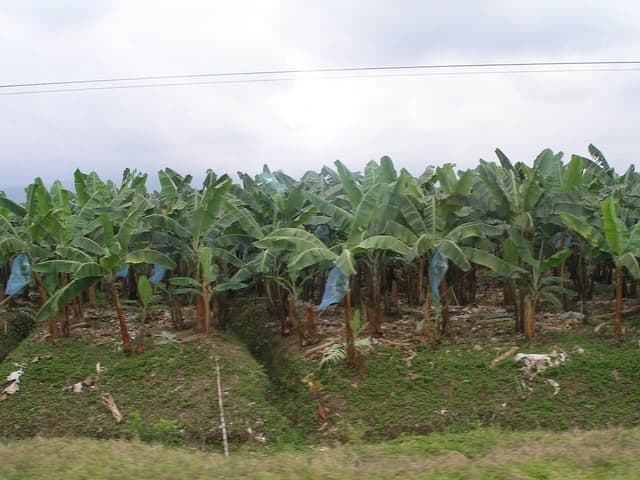
Avocados and passion fruit paint the less glamorous side of the same expansion. Avocado shipments rose 119.3% to 2,884 tons, but export value increased only 18.4% as the average price fell 46% to $1,149 a ton. Passion fruit volumes nearly sextupled to 1,022 tons, yet export value rose just 63.2%, with the average price collapsing 71.7% to $959 a ton. Those numbers suggest that volume growth alone is not enough if the product is flowing into lower-value channels or if pricing weakens as supply rises.
The real economic significance is that Ecuador is starting to build a second export engine beyond its traditional agricultural basket, but market access and sanitary approvals remain the bottleneck. The industry’s complaint is not about production; it is about conversion. New markets such as Chile, the UAE, Israel and Singapore are being flagged as opportunities, yet together they still account for less than 4% of export value for these fruits. That is a long runway, not a mature growth story.
For investors, the implication is straightforward. The market is likely to overpay for broad “Latin American agriculture” exposure and underappreciate the winners created by logistics, phytosanitary approvals and U.S. distribution access. The highest-quality upside sits with exporters and infrastructure providers that can turn volume into pricing power, not merely volume into headlines. If Ecuador can keep opening the U.S. market while locking in sanitary approvals, blueberries and mangoes look like the high-margin, high-multiple beneficiaries. Avocados may still have the biggest operational optionality if U.S. access is eventually granted, but that is still a policy and execution story, not yet a revenue one.
The next catalyst is whether those early-market share gains become durable, higher-value trade lanes or fade back into low-price commodity flows. For now, the trade is to favor the fruits and exporters where pricing is rising alongside volumes — because that is where the asymmetry is.
| Entity | Gains | Losses |
|---|---|---|
| Blueberry exporters | ▲Higher prices and volumes | ▼Low exposure to U.S. access risk |
| Mango exporters | ▲U.S. demand and better pricing | ▼Colombia dependence |
| Avocado growers | ▲Shipment growth | ▼Export prices and margin quality |
| Passion fruit exporters | ▲Fast volume expansion | ▼FOB pricing power |