Households in Quito struggling to make this month’s payments have a narrow but important set of options: pay at least the minimum, or ask banks and cooperatives to refinance before missed installments damage their credit profile.
Ecuador households weigh minimum payments and refinancing

The immediate economic significance is that delinquency is not just a household problem; it is a transmission channel into the financial system. In Ecuador, banks, cooperatives and commercial lenders report credit data monthly to the Superintendency of Banks, and that information feeds the credit score known locally as the buro de crédito. Once a payment is late, the borrower is in arrears from day one, and after 30 days the account is classified as overdue, raising the risk of stronger penalties and weaker access to future loans.
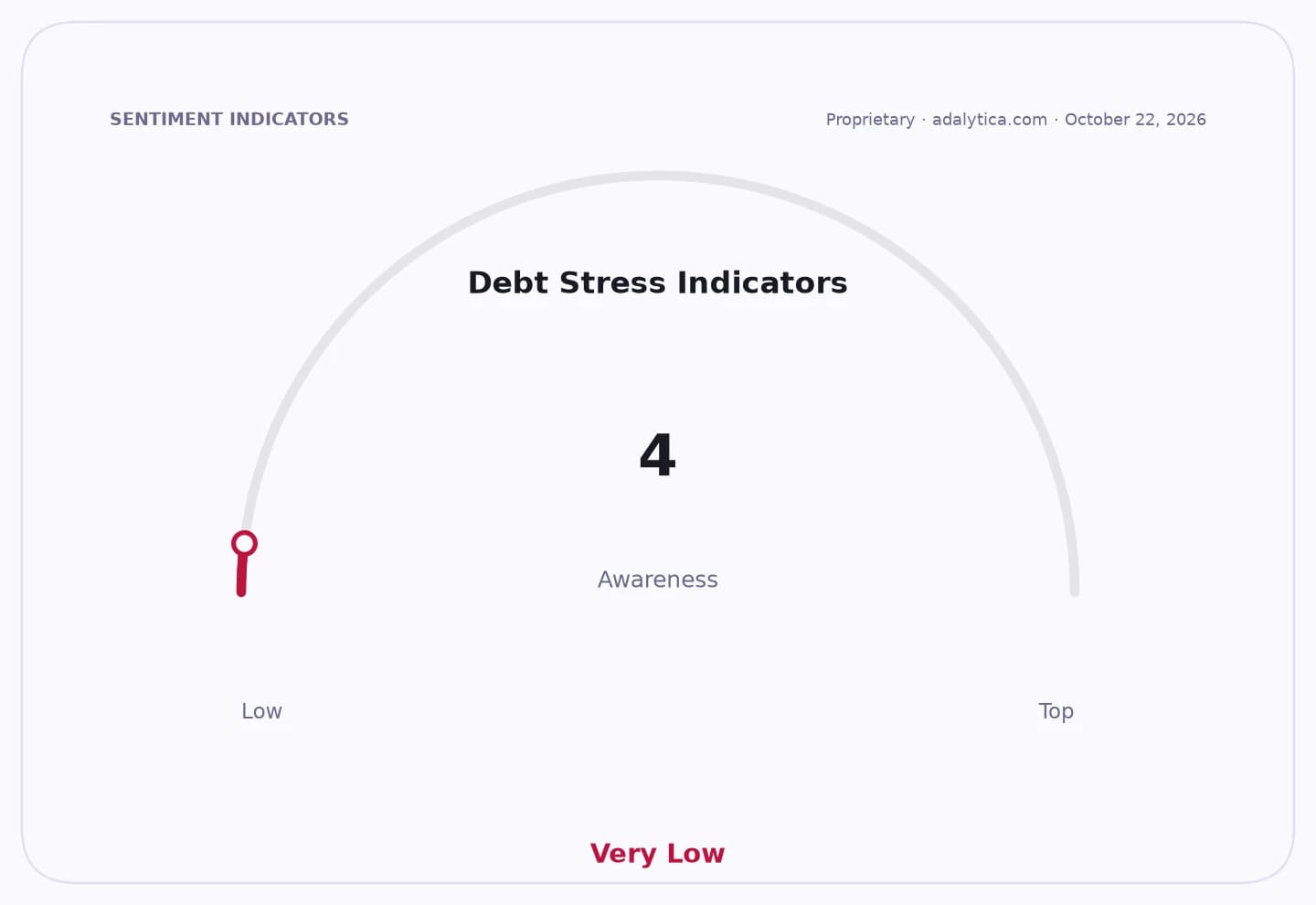
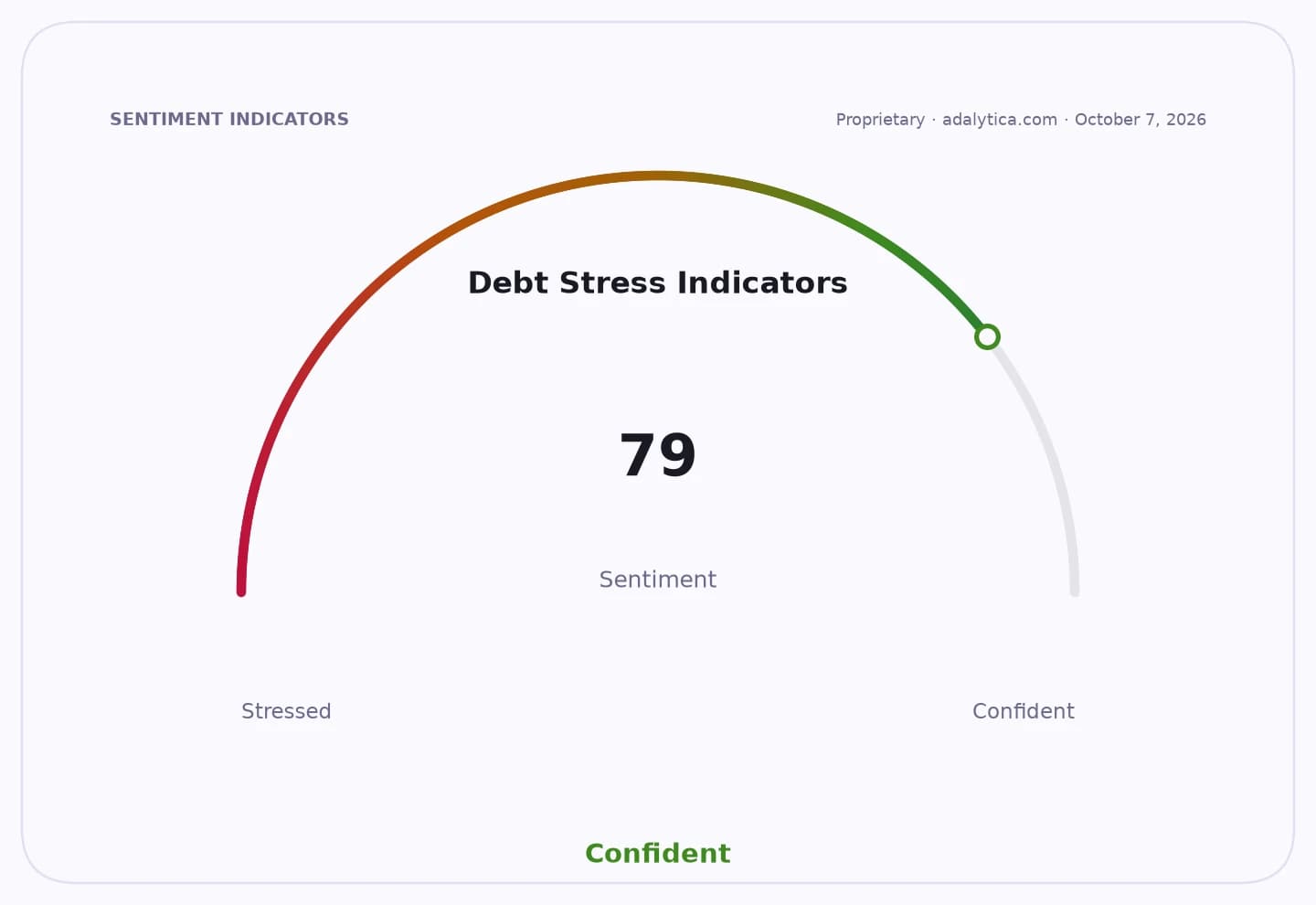
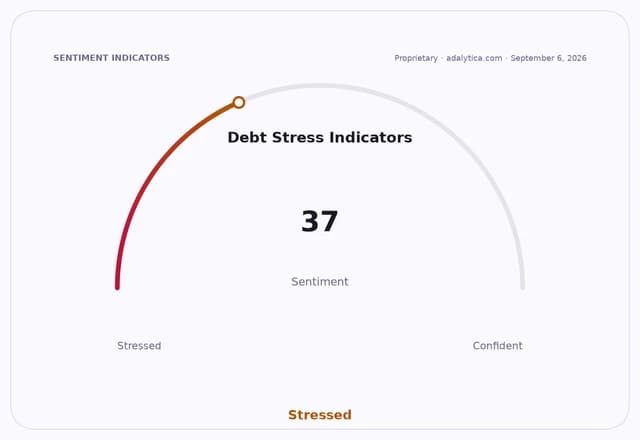
Sentiment IndicatorsⓘProprietary · adalytica.com · September 6, 2026
This is a snapshot — live sentiment, awareness and momentum for 130+ markets update continuously in the dashboard.Open AlphaPulse

José Dávalos, a credit-risk economist cited by local outlet Extra, said borrowers should avoid simply stopping payments. If they cannot cover the full bill, making at least the minimum on a credit card can help prevent a default flag, though only as a short-term fix because fees and interest still build. The alternatives are novations, refinancings and restructurings, each of which can stretch terms or reduce monthly installments if the lender agrees.
The change matters to investors because household stress shapes loan performance for the lenders that finance consumer spending. When borrowers roll debt rather than extinguish it, banks protect current repayment flows but often at the cost of longer duration, lower monthly collections and higher future credit risk. That trade-off is especially relevant for card and consumer-finance lenders, where payment behavior can turn quickly in a weaker labor market.
The broader backdrop is not benign. Ecuador’s job market remains a constraint for many households, and borrowers facing income shocks are likely to seek term extensions rather than fresh credit. Against that, the latest credit-reporting rule change, effective Aug. 20, 2026, narrows the history used in the scoring system to the last two years instead of three. That could modestly help borrowers whose older delinquencies had weighed on access to credit, but it also increases the importance of avoiding fresh missed payments.
There is also a clear downside for consumers who wait too long. Dávalos warned that lenders can pursue collateral-backed collection actions, including card cancellation and, in some cases, asset seizures depending on the loan structure. In practice, that means refinancing is not just a convenience; for many households it is the last low-cost bridge before a debt problem becomes a legal one.
For investors, the key question is whether this pressure remains contained to stressed households or spreads into broader consumer credit metrics. If more borrowers seek minimum-payment strategies or restructurings, lenders may see steadier near-term cash flow but a higher backlog of risk. If incomes improve and refinancing works as intended, the system absorbs the shock without a sharp rise in defaults. The next signal will come from payment behavior, not policy rhetoric.
| Entity | Gains | Losses |
|---|---|---|
| Borrowers who refinance | ▲Lower monthly installments | ▼Higher total interest cost |
| Banks and cooperatives | ▲Preserve some repayment flow | ▼Face higher credit risk |
| Lenders with strong collections | ▲More negotiated restructurings | ▼Delayed recoveries |
| Delinquent borrowers who wait | ▲Short-term cash relief | ▼Credit score damage |