Ecuador IESS Pays $111.8M to Dialysis Providers
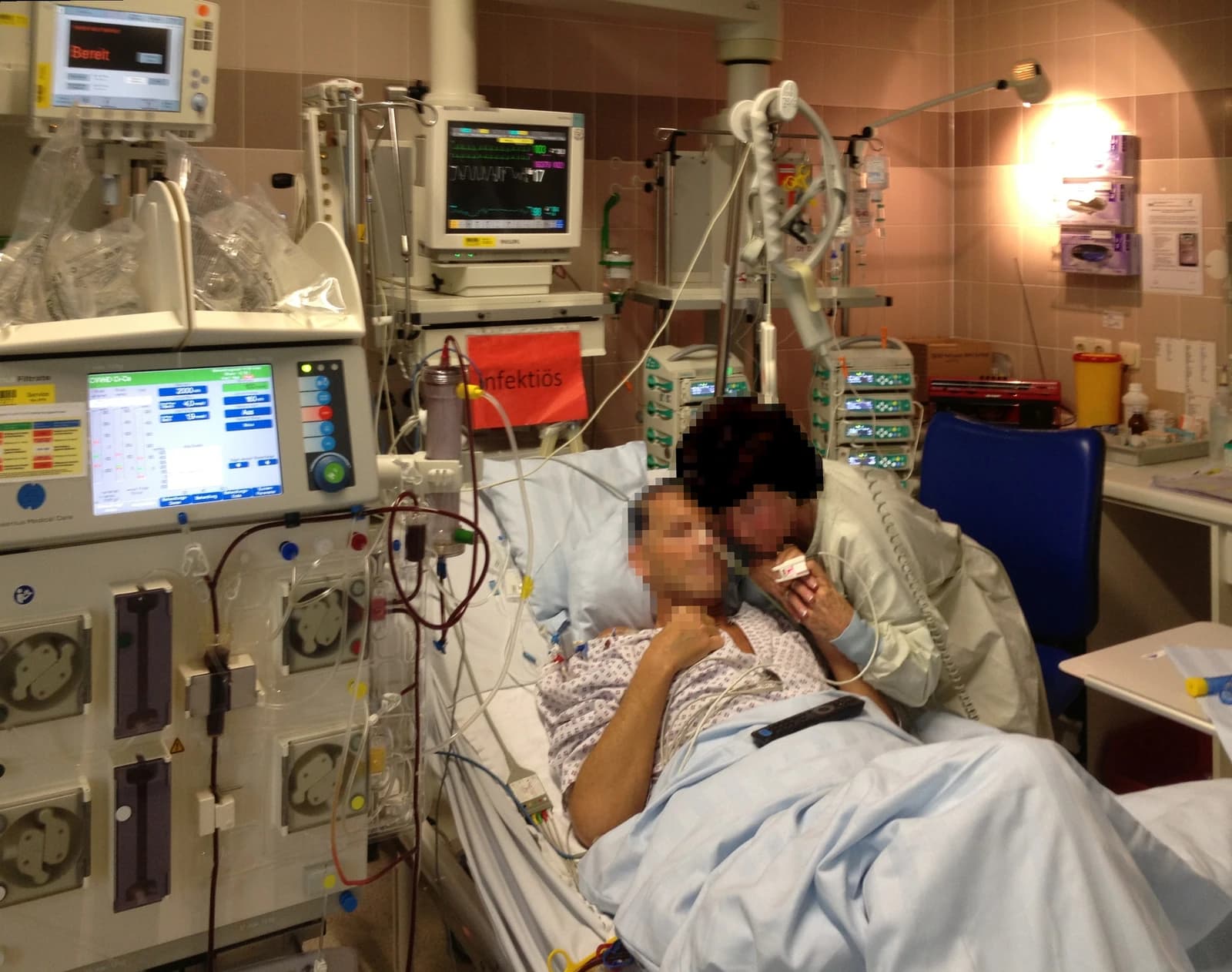
Ecuador’s social security institute has started easing one of its most politically and economically sensitive liabilities: the money owed to dialysis providers that keep thousands of renal patients alive.
The Instituto Ecuatoriano de Seguridad Social, or IESS, said it paid $111.8 million to external dialysis providers between December 2025 and August 2026, cutting its original bill of $248 million by 45% and leaving $136.2 million still outstanding. For patients, that matters because dialysis cannot wait. For investors and creditors, it is another reminder that Ecuador’s public finances are still under pressure, but the government is trying to keep essential health services from breaking down.
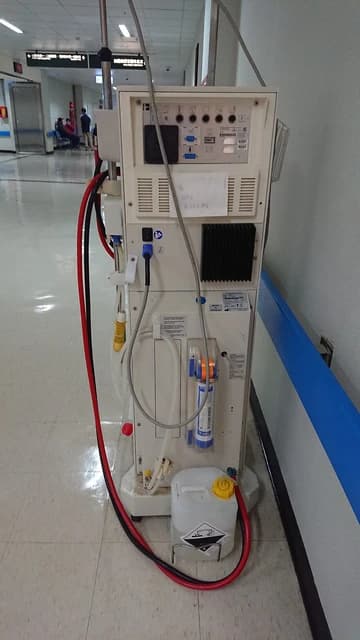
The payments are important for a bigger reason than the headline figure. Dialysis is one of the clearest stress points in Ecuador’s health system, where arrears to private providers can quickly turn into service disruptions, court battles and political backlash. When a state-run payer like IESS falls behind, the pain is felt first by suppliers, then by hospitals, and finally by patients who depend on uninterrupted treatment several times a week.
IESS said its payments are part of a broader effort to maintain its complementary health network, which includes outside providers treating complex illnesses. In August alone, it said it transferred $46.75 million to 195 external providers, including dialysis centers and facilities that treat high-complexity diseases. The institution also said it has liquidated $694.7 million in total to an average of 210 external health providers over the same period, while continuing audits on pending bills before authorizing more payments.
That mix of cash settlement and account review is telling. Ecuador is not simply writing a blank check; it is trying to manage a backlog that has built up under fiscal strain. IESS chairman Bernardo Cordovez said he made 17 visits to dialysis centers in Quito, Guayaquil, Milagro and El Coca to check service conditions and meet providers directly. His message was that the institution cannot manage the problem “from the desk,” a line that underlines how politically charged the issue has become.
For investors, the immediate market impact is limited, but the medium-term implications are broader. Clearing arrears can reduce pressure on private healthcare suppliers, lower the risk of treatment interruptions and support a more stable operating environment for firms exposed to reimbursement risk in Latin America. It also suggests that Ecuador’s authorities understand that protecting essential health spending is not optional when credibility is already fragile.
The remaining $136.2 million still outstanding, however, means the problem is not solved. As long as the state depends on audits and phased payments to settle basic medical obligations, providers will remain exposed to delayed cash flow and the government will remain vulnerable to fresh complaints if payments slow again.
For long-term investors, the lesson is simple: in a market like Ecuador, the quality of public-sector payment discipline matters just as much as the size of the budget. The latest IESS transfer is a constructive step, but it is best viewed as progress in an ongoing repair job, not the end of the story. Worth watching.
| Entity | Gains | Losses |
|---|---|---|
| IESS / Ecuador government | ▲Reduces arrears pressure | ▼Still faces sizable unpaid balance |
| Dialysis providers | ▲Receive overdue cash | ▼Remain exposed to delayed payments |
| Renal patients | ▲Better chance of uninterrupted care | ▼Still vulnerable if cash flows slow |
| Creditors / investors | ▲Slightly lower near-term default risk | ▼Fiscal fragility remains visible |