Ecuador President Noboa Signs Deal With China Media Group
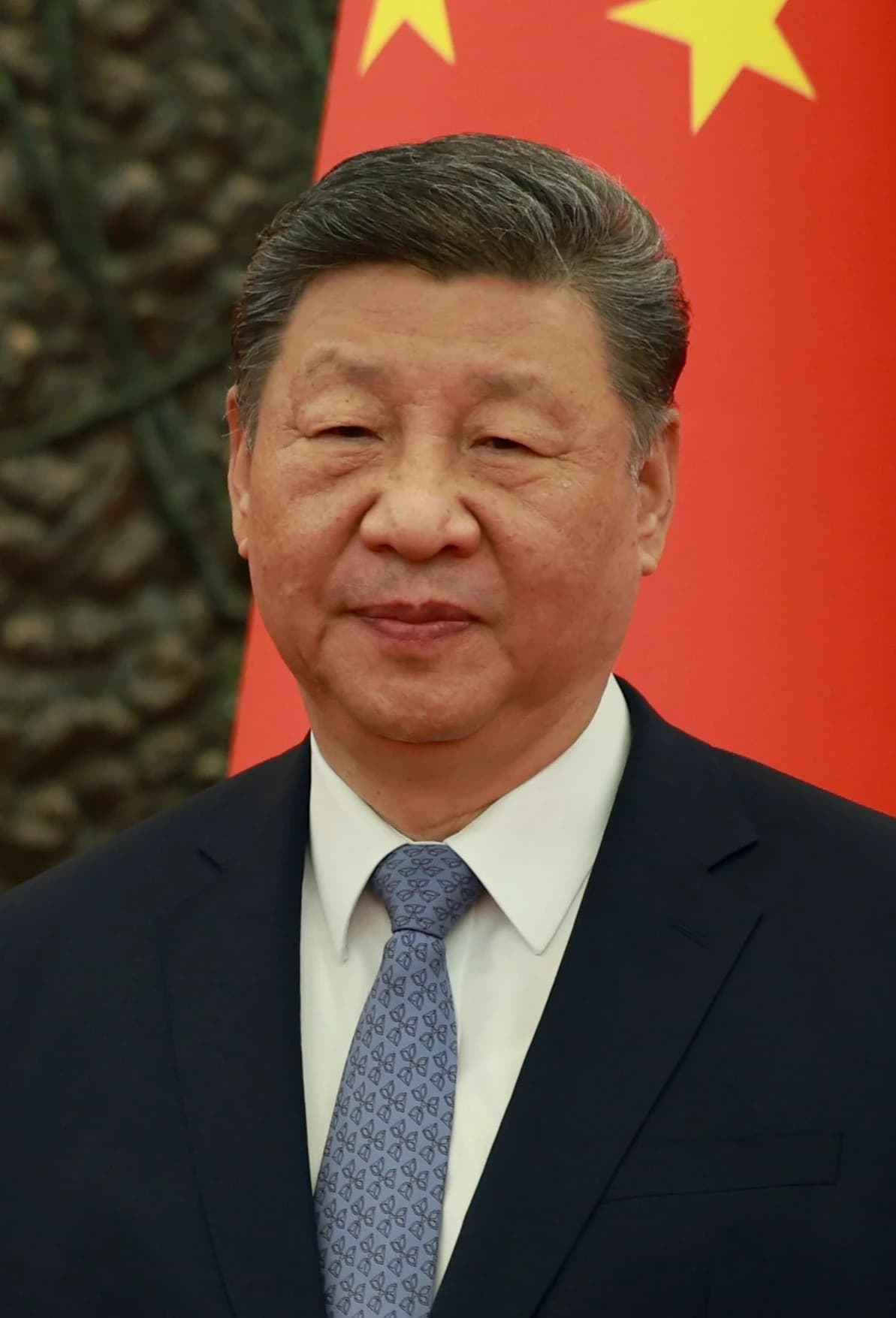
President Daniel Noboa’s signing deal with China Media Group has drawn scrutiny because it deepens Ecuador’s contact with a state-run conglomerate controlled by the Chinese Communist Party, raising questions over influence, media access and the political cost of closer ties with Beijing.
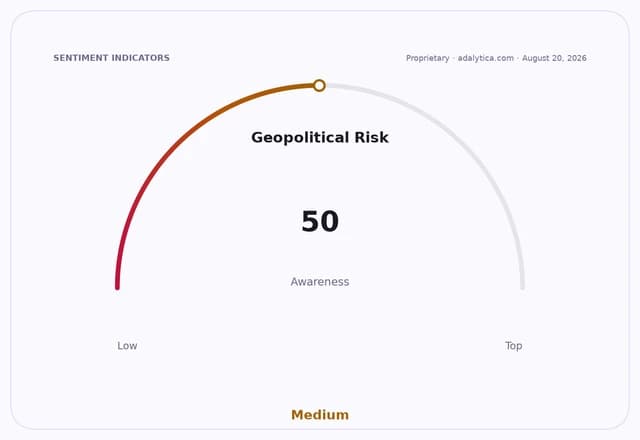
The concern matters economically because China has become one of Latin America’s most important sources of financing, trade and investment, and any perception that Quito is aligning more tightly with Beijing can affect how investors price political risk, regulatory stability and foreign-policy continuity. It also adds another layer of uncertainty at a time when global stability sentiment remains in “Extreme Fear,” according to Adalytica, underscoring how geopolitics continues to filter into asset pricing.
For markets, the immediate read is less about direct revenue impact than about the broader risk premium on Ecuador and other China-linked exposures. Investors in emerging markets, commodities and Latin American sovereign debt tend to punish policy unpredictability, especially when deals involve state media, strategic communication channels or partners seen as instruments of state influence.
The political narrative is straightforward: Noboa is signaling openness to Chinese engagement, but the optics of partnering with a CCP-controlled media conglomerate invite backlash from critics who see soft-power leverage rather than neutral commercial cooperation. That tension comes as China policy direction sentiment in Adalytica’s data sits at “Extreme Greed,” suggesting Beijing’s outward influence agenda remains forceful even as global stability concerns spike.
News Corp shares, reflected by parent ticker NWSA, were trading at $29.55 on Aug. 20, above both the 50-day moving average of $27.32 and the 200-day moving average of $25.91, with RSI at 68.9, while Alibaba shares closed at $128.65, below the 200-day average of $137.00. The price action does not reflect this Ecuador story directly, but it frames the broader investor landscape: capital is rewarding companies and countries seen as strategically positioned, while punishing those exposed to geopolitical friction.
The next focus is whether Quito expands cooperation with Chinese state institutions or faces domestic pushback that limits the scope of the agreement. Any further moves will be watched for signs of whether the relationship is commercial, diplomatic or a deeper political alignment with Beijing.
| Entity | Gains | Losses |
|---|---|---|
| Noboa administration | ▲China access, diplomatic flexibility | ▼Domestic criticism, trust risk |
| China Media Group | ▲Ecuador foothold, influence reach | ▼Reputation backlash |
| Chinese government | ▲Soft-power expansion, regional leverage | ▼Higher scrutiny |
| Ecuador investors | ▲Possible Beijing ties stability | ▼Higher policy-risk premium |