Egypt is considering putting state-owned real estate into a joint-stock company that could manage, invest and potentially help restructure part of the government’s debt, a sign Cairo is leaning on assets rather than fresh borrowing to shore up its finances.
Egypt Weighs Asset-Backed Debt Strategy

The move matters because Egypt has spent years under pressure from high debt-servicing costs, a weak currency and tight external financing conditions. Using land and property holdings as part of a debt workout could give the government a way to unlock value without immediately widening the deficit or forcing more expensive market borrowing.
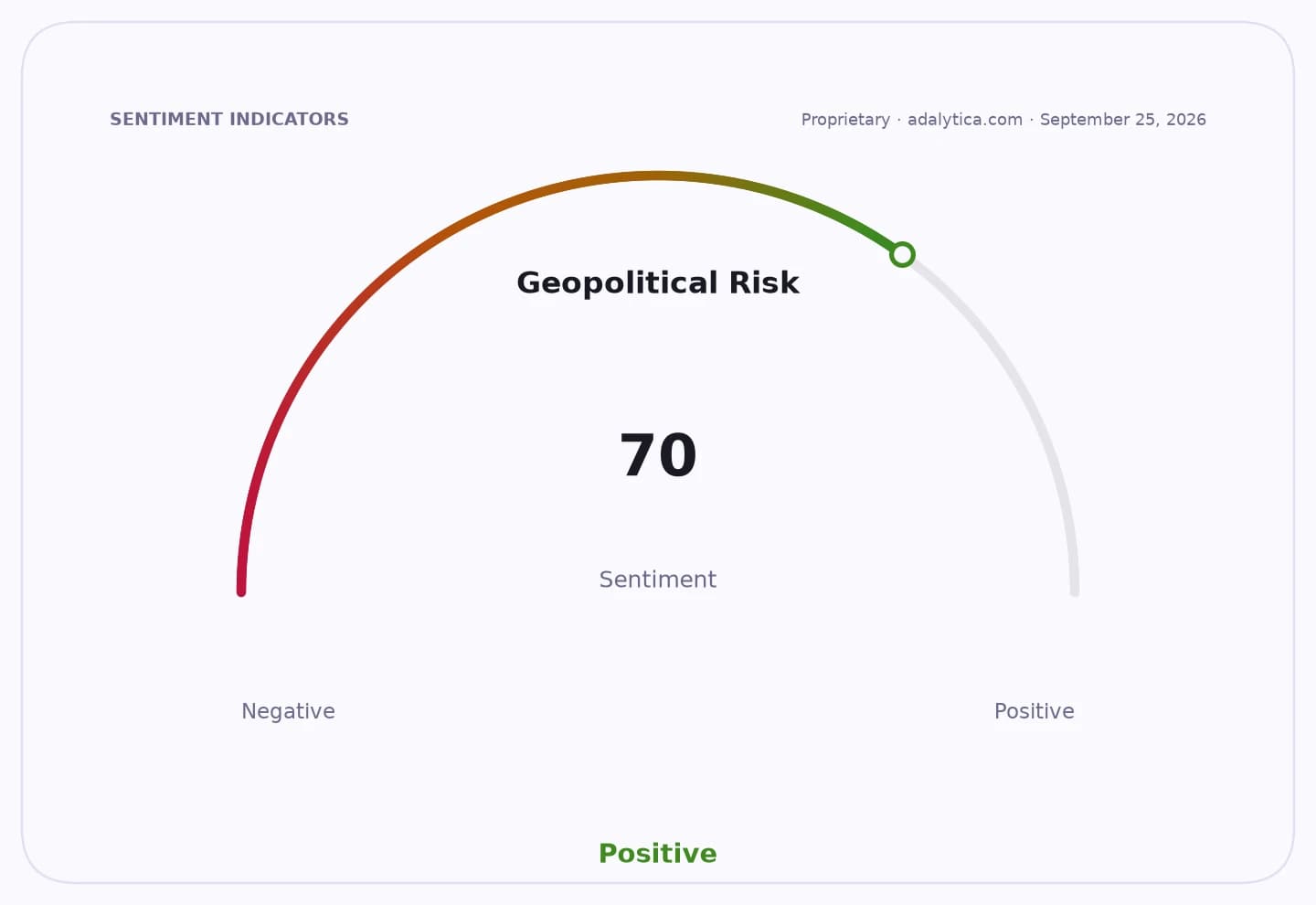
Sentiment IndicatorsⓘProprietary · adalytica.com · July 14, 2026
This is a snapshot — live sentiment, awareness and momentum for 130+ markets update continuously in the dashboard.Open AlphaPulse
Officials told Al-Sharq Bloomberg the plan would center on a company to handle the state’s real estate portfolio, effectively creating a vehicle that could monetize assets and possibly swap them into a broader balance-sheet strategy. For investors, that suggests Cairo is trying to improve its debt profile through asset backing, a tactic that can support liquidity but also raises questions about valuation, governance and execution.
The backdrop is a global funding environment that is still relatively restrictive. The U.S. 10-year Treasury yield is around 4.56%, while the two-year sits near 4.21%, keeping dollar financing costly for emerging markets. Adalytica’s U.S. dollar trade signals also show “fear” at 26, underscoring a cautious tone in currency markets that can make external refinancing harder for countries like Egypt.
For equity investors, the idea points to a broader effort to stabilize confidence in Egyptian assets by showing the state has more than one lever to pull. The iShares MSCI Germany ETF, a gauge of risk appetite in broader developed-market equities, has been relatively steady around 41.23, but Egypt-related assets would be more sensitive to sovereign-credit headlines, asset-sale pricing and any signal that the government is trying to avoid a more painful restructuring.
The key question now is whether the planned company becomes a credible monetization platform or just another accounting tool. Investors will be watching for details on which assets are included, whether debt holders are offered real collateral or equity stakes, and how quickly the government can turn property holdings into cash or debt relief.
| Entity | Gains | Losses |
|---|---|---|
| Egyptian government | ▲Funding flexibility | ▼Immediate leverage |
| Debt investors | ▲Asset backing | ▼Restructuring uncertainty |
| Real estate asset holders | ▲New valuation upside | ▼Forced monetization risk |
| Currency and bond markets | ▲Reduced default pressure | ▼Governance and execution risk |