Egypt BRICS ties could boost trade and funding
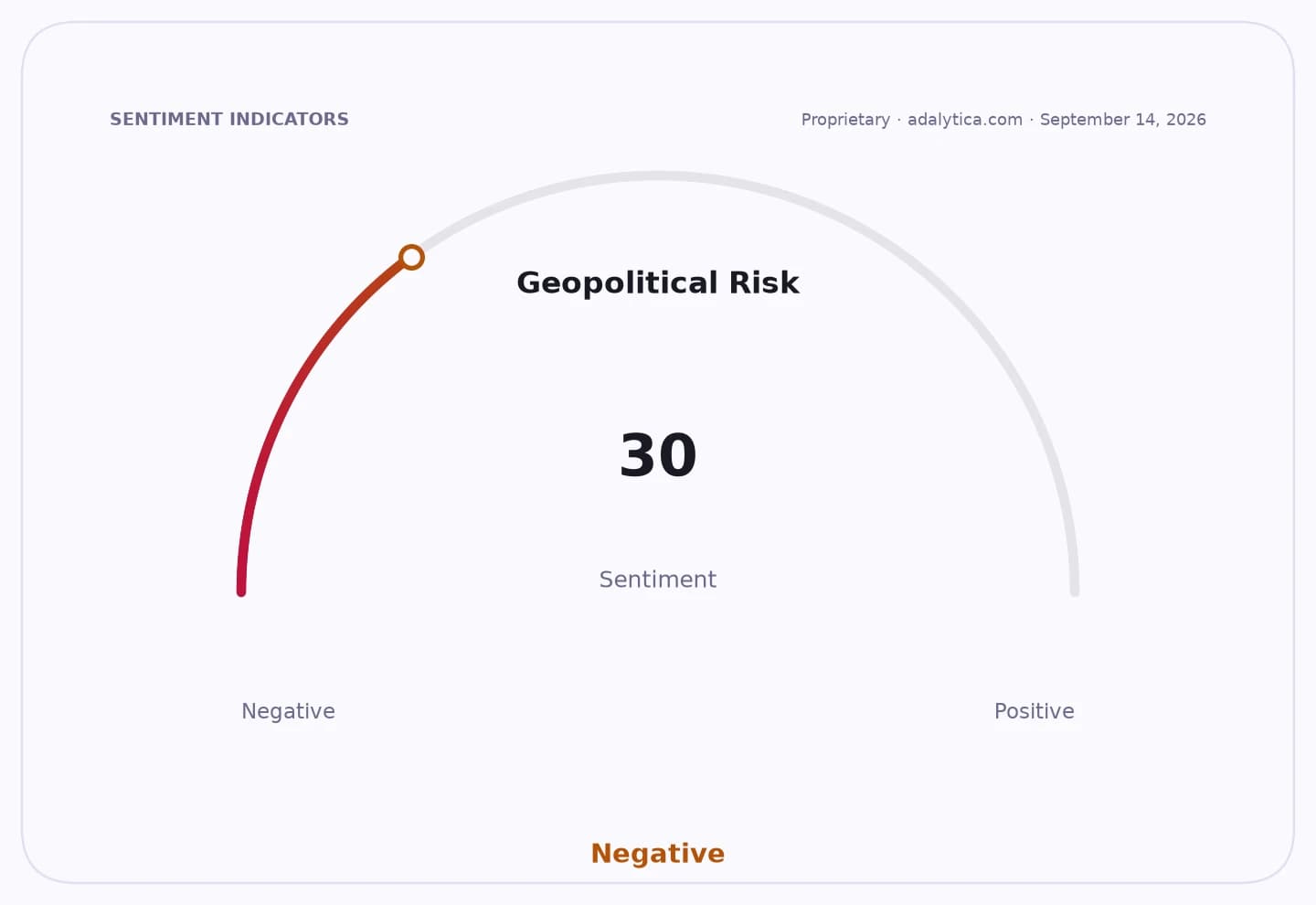
Egypt is moving to turn its BRICS membership into more trade, investment and financing as the bloc leans harder into local-currency settlement and development lending, a shift that could ease Egypt’s foreign-exchange strain and broaden funding options.
The economic stakes are significant. For Cairo, deeper ties with BRICS members offer a path to attract capital, support imports and reduce reliance on hard currency at a time when external financing remains a constraint. The bloc’s push for greater use of local currencies and its development bank’s project financing are aimed at lowering transaction costs and widening access to capital for members and partners.
That matters for investors because Egypt’s macro story still hinges on reserves, the pound and the pace of reform. Any incremental rise in trade settlement outside the dollar, or fresh BRICS-linked investment into infrastructure, energy or industry, could support liquidity and sentiment around Egyptian assets, including locally listed stocks and any future sovereign funding needs.
The broader BRICS message from the summit was that the group wants to translate geopolitical alignment into practical economic ties. Leaders backed deeper development cooperation, and Russian President Vladimir Putin highlighted the New Development Bank’s role in funding 123 projects, underscoring how the bloc is trying to build its own financial channels alongside traditional Western institutions.
For Egypt, the appeal is clear: diversify partners, draw in capital and improve resilience in a volatile global environment. The challenge is execution, with the real market test coming if BRICS membership starts to produce measurable inflows, trade gains or financing that can be felt in Egypt’s external accounts over the coming quarters.
| Entity | Gains | Losses |
|---|---|---|
| Egypt | ▲More trade and investment channels | ▼Reliance on hard currency funding |
| BRICS lenders | ▲Bigger project pipeline | ▼Exposure to member-country risk |
| Local-currency settlement users | ▲Lower FX costs | ▼Dollar-based settlement demand |
| Dollar funding channels | ▲Less role in trade finance | ▼Share of cross-border payments |