Egypt Central Bank Absorbs 983 Billion Pounds
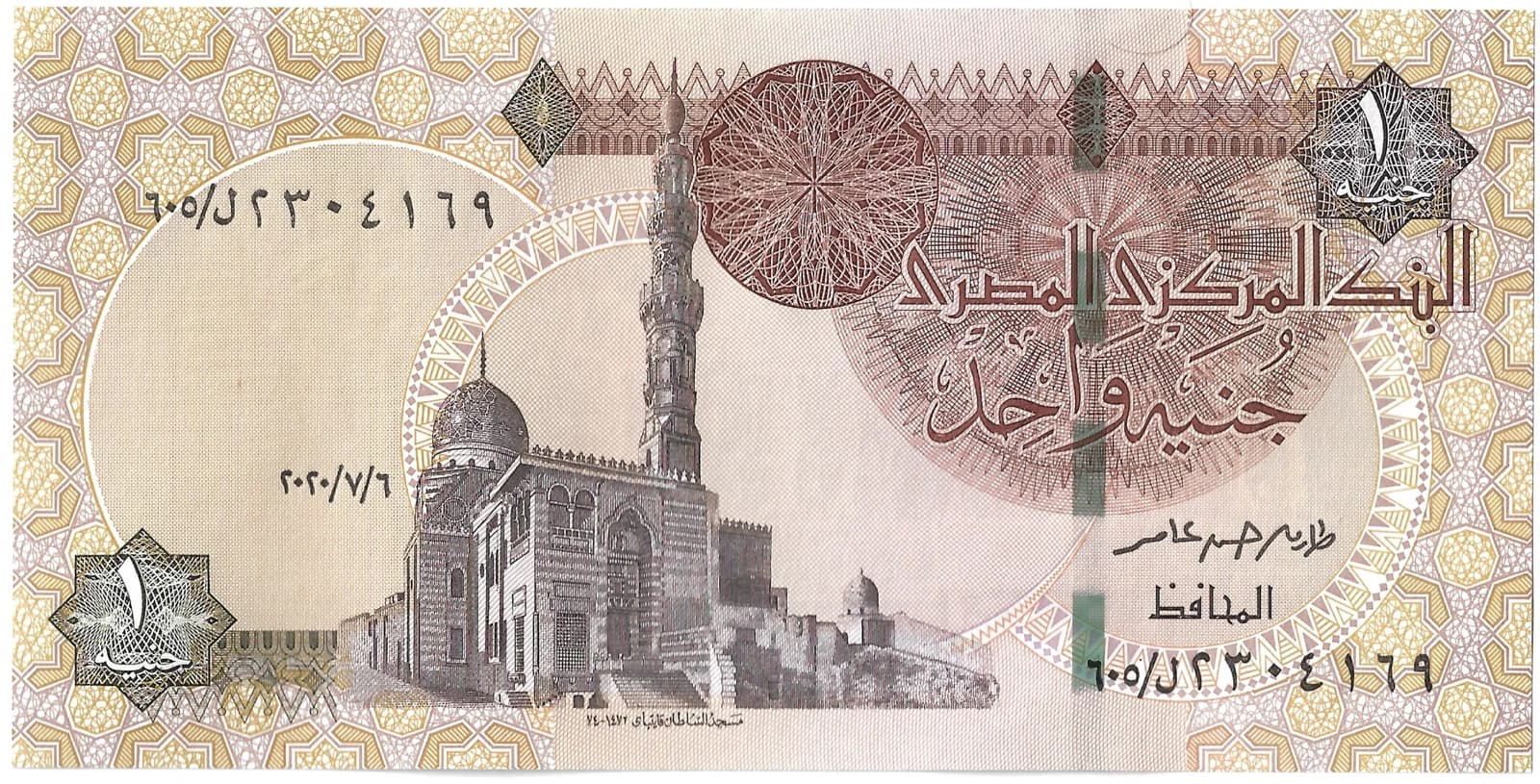
Egypt’s central bank has sharply stepped up liquidity absorption ahead of its policy meeting, withdrawing about 983.03 billion pounds from the banking system in three weeks as officials try to keep short-term money-market conditions tight and contain inflation risks.
The latest move matters because it gives the Central Bank of Egypt a way to restrain excess cash without immediately changing benchmark rates, a step that can help anchor borrowing costs, limit speculative demand for foreign currency and prevent liquidity from feeding price pressures just as policymakers prepare to decide on interest rates.
On Tuesday, the central bank pulled 499.087 billion pounds from 11 banks through its fixed-rate weekly deposit auction, following 347.087 billion pounds from nine banks the previous week and 136.86 billion pounds at the start of September. The central bank said these operations do not touch customer deposits and are instead used to absorb surplus liquidity in the banking sector.
The timing is critical. Egypt’s policy committee meets on Sept. 24 after keeping rates unchanged in its previous four meetings, with the deposit rate at 19%, the lending rate at 20% and the main operation rate at 19.5%. The central bank has been using open-market tools more aggressively since changing the rules in April 2024 to accept all bids in weekly deposit auctions, giving it greater flexibility to drain cash from the system.
That tightening backdrop comes as the currency market remains under pressure. The Egyptian central bank’s published rates on Tuesday showed the dollar at 52.1345 pounds for sale, while the euro reached 60.1476 pounds and the pound sterling 70.2669 pounds, underscoring how expensive foreign currency remains for importers and companies with dollar-linked costs.
Inflation is sending mixed signals. Egypt’s statistical agency said annual headline inflation for the country eased to 12.7% in August from 13% in July, but core inflation measured by the central bank rose to 14.9% from 14.7%, a sign underlying price pressure has not fully faded.
For investors, the central bank’s liquidity drain suggests policymakers are trying to preserve room to hold rates steady, rather than rush into cuts that could weaken the pound or stoke another inflation wave. Banks may see tighter short-term funding conditions, while borrowers face the prospect of elevated lending costs for longer.
The next catalyst is the Sept. 24 rate decision, where the bank will have to weigh cooling headline inflation against sticky core prices, currency weakness and broader geopolitical and energy risks.
| Entity | Gains | Losses |
|---|---|---|
| Egyptian Central Bank | ▲More control over liquidity | ▼Less room for abrupt easing |
| Egyptian banks | ▲Higher return on excess cash | ▼Tighter short-term funding |
| Borrowers and importers | ▲Stability if rates stay unchanged | ▼Elevated financing and FX costs |
| Pound bears / FX buyers | ▲No immediate policy shock | ▼Continued drain on dollar demand |