Egypt gas output rises by 330 million cubic feet
Egypt is moving to lift natural-gas production by about 330 million cubic feet a day before year-end, a modest but important step that could ease pressure on its economy, narrow LNG import needs and strengthen its hand in a region where energy supply remains tightly linked to geopolitics.
The Ministry of Petroleum said it is working to add roughly 250 million cubic feet a day from the Zohr and West Mina fields in the Mediterranean by the end of this year, plus another 80 million cubic feet a day from the Meliha fields in the Western Desert by the end of this month. Those gains may not look dramatic in a global market, but for Egypt they matter because every incremental cubic foot reduces the need to buy expensive imported gas or fuel, supports domestic power generation and helps stabilize a country that still depends on energy flows to manage its balance of payments.
That is the real story here: Egypt is trying to turn a string of new discoveries and field recoveries into durable production growth. On the sidelines of the general meeting of state gas company EGAS, officials said nine new discoveries had added about 2.8 trillion cubic feet of gas reserves, while three new exploratory wells are being drilled and expected to finish before year-end. In other words, this is not just a short-term production push; it is part of a broader effort to rebuild upstream momentum after years in which declining output forced Cairo to lean harder on imports.
For investors, the implication is twofold. First, the more Egypt can cover domestic demand with local supply, the less exposed it is to volatile global gas prices and the more room it has to cut import bills. That can matter for the sovereign, for power prices and for state-linked energy companies that live with the consequences of shortages. Second, a healthier production profile can gradually improve Egypt’s appeal as a regional gas player, especially as it continues working with Greece and Cyprus on export possibilities to Europe.
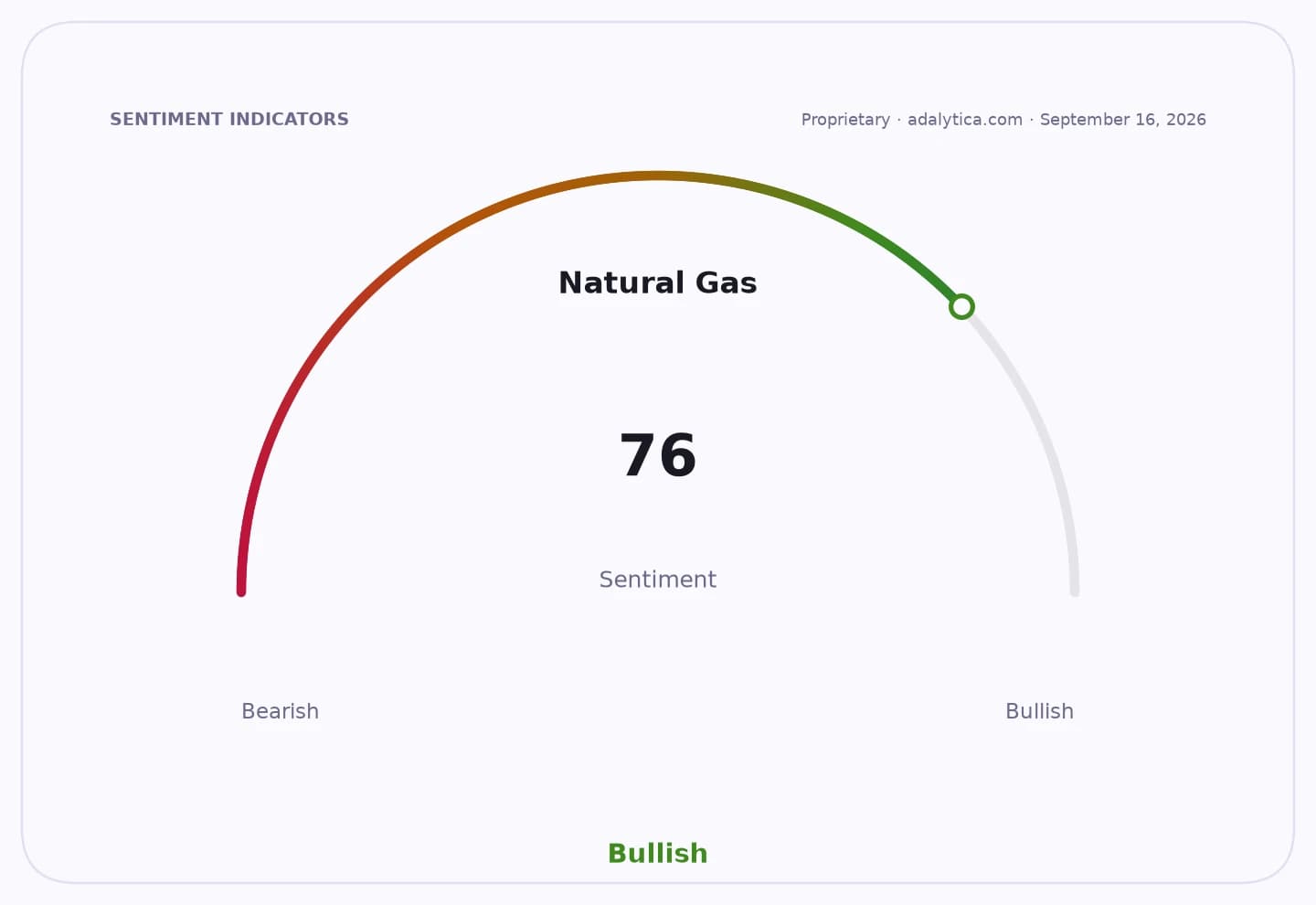
The market backdrop makes that effort more interesting. Global energy sentiment remains unsettled, with geopolitical risk still elevated and oil markets swinging on supply concerns. In that environment, incremental gas supply from Egypt is unlikely to move Brent or LNG benchmarks on its own, but it can still improve domestic resilience and reduce dependence on a market where importers have little pricing power.
There are still risks. New output must be sustained, not just announced, and offshore gas projects often require capital, stable contracts and technical execution to keep production from slipping again. If drilling disappoints or field decline proves faster than expected, the relief could be temporary. But if Egypt can keep stacking reserve additions and convert them into actual volumes, investors should view the country as a steadier long-term energy story than its history of shortages suggests.
For long-term investors, the takeaway is simple: Egypt’s gas turnaround is worth watching. The near-term gains are small in global terms, but they could compound into a more self-sufficient, less import-dependent energy system over time.
| Entity | Gains | Losses |
|---|---|---|
| Egypt / EGAS | ▲Lower import needs | ▼LNG suppliers |
| Zohr, West Mina, Meliha fields | ▲More output investment | ▼Declining domestic supply |
| Egyptian power consumers | ▲Improved fuel availability | ▼Shortage-driven disruptions |
| Regional gas exporters | ▲Potential future demand | ▼Immediate pricing power |