Egypt gold prices slip as dollar and yields rise
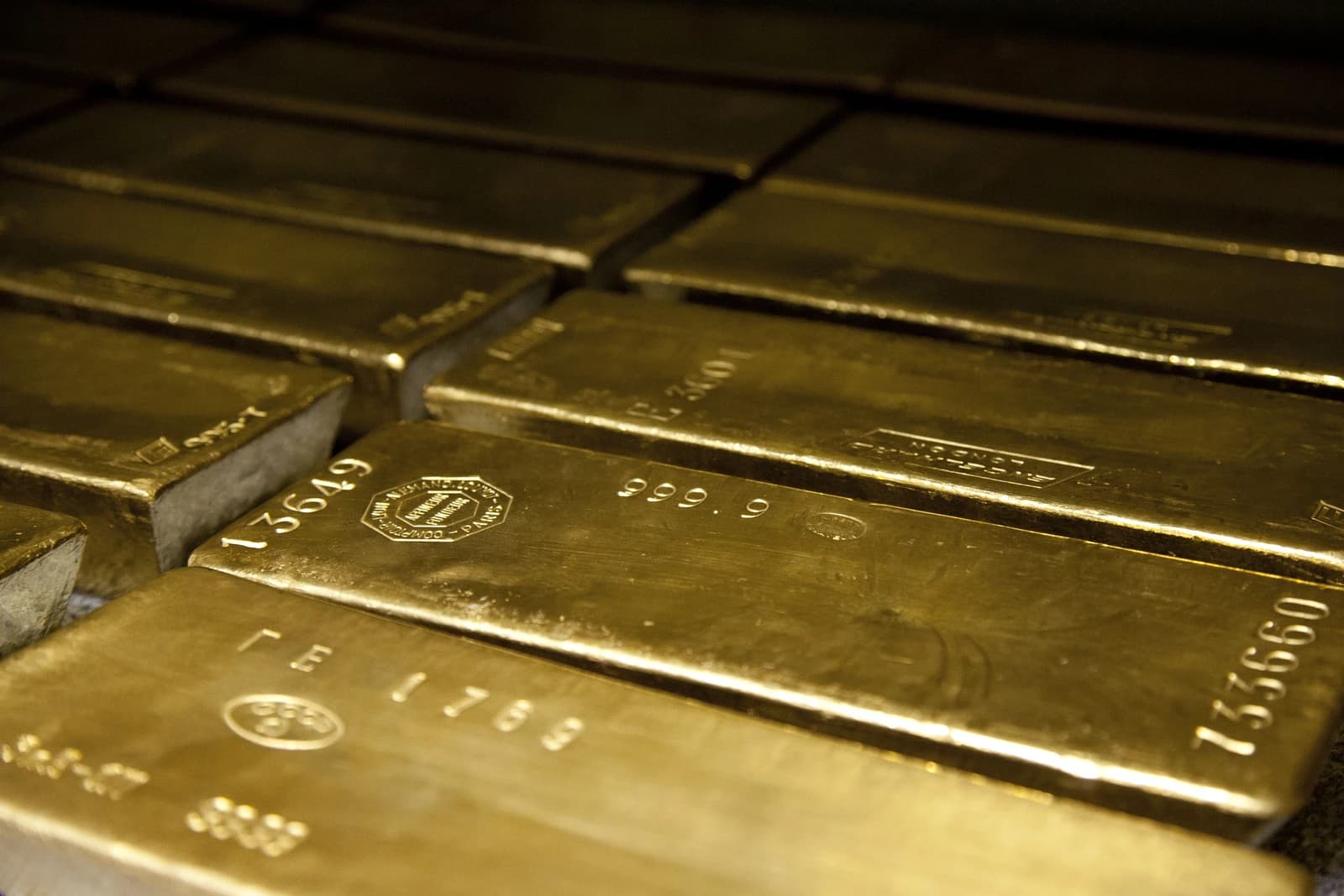
Gold slipped by 25 pounds in Egypt on Thursday, a small move on the surface that still matters because it comes as the dollar holds firm, global Treasury yields edge higher and market appetite for defensive assets cools. For investors, that combination is a reminder that gold does not move in isolation: its local price is still being shaped by currency pressure, imported pricing and the broader tug-of-war between risk-taking and fear.
The benchmark 21-karat gold price fell to about 6,300 pounds a gram, while other local quotes showed a 10-pound decline to 6,310 pounds in later trading. That kind of intraday volatility may look modest, but it reflects the same forces that drive larger swings over time. When the Egyptian pound trades weakly against the dollar, local gold prices can stay elevated even if the metal itself is softer globally. That makes gold both a store of value and a pricing barometer for currency stress.
The broader backdrop is not especially friendly for bullion in the near term. The U.S. 10-year Treasury yield rose to 4.95% on Thursday from 4.83% the day before, a sign that fixed-income markets are demanding more return as investors reassess the outlook for rates and inflation. Higher yields raise the opportunity cost of holding gold, which pays no income. At the same time, the dollar remains resilient, with the central bank quote showing the U.S. currency around 51.27 pounds for buying and 51.41 for selling earlier in the day, and 51.14 and 51.28 later in the session. A stronger dollar typically weighs on dollar-priced commodities and makes them more expensive for buyers outside the United States.
Global gold funds are also showing signs of cooling momentum. SPDR Gold Shares, the largest gold-backed exchange-traded fund, slipped to $396.36 on Thursday from $403.35 a day earlier, and other bullion proxies such as the iShares Gold Trust edged lower as well. The move does not break the longer-term case for gold, but it does suggest that some investors are taking profits after a powerful run that left technical readings stretched earlier in the year. Even now, the 50-day moving average for GLD sits below the 200-day average, a sign that the trend has improved from spring weakness but still lacks the kind of unambiguous momentum that typically attracts fresh money.
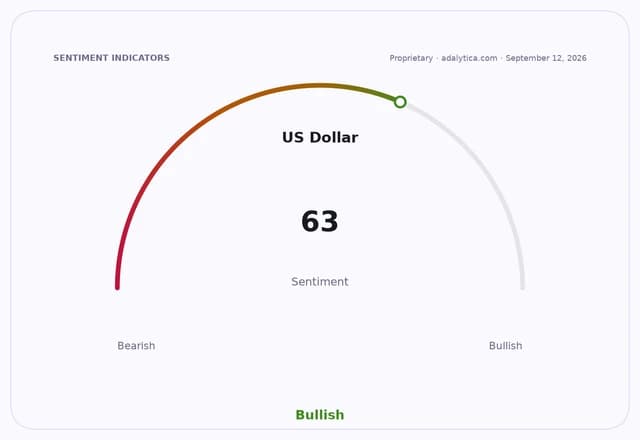
For long-term investors, the interesting question is not whether gold can wobble over a day or two — it can, and often does — but whether the forces supporting it are intact. Central-bank buying, geopolitical uncertainty and a world still wrestling with debt loads and policy uncertainty continue to give gold a role in diversified portfolios. Yet the short-term price path will remain sensitive to the dollar and to real yields, especially if markets decide the Federal Reserve can keep policy tighter for longer than expected.
In other words, this dip is less a thesis-breaker than a useful reminder: gold works best as part of a portfolio, not as a one-way bet. Investors building wealth over years, not days, should treat pullbacks like this as a checkpoint on the cycle, not a verdict on the asset. Worth watching, especially if currency pressure and falling fear levels keep weighing on the metal in the weeks ahead.
| Entity | Gains | Losses |
|---|---|---|
| Dollar holders | ▲Better purchasing power | ▼Higher gold import costs |
| Gold buyers in Egypt | ▲Lower entry price | ▼Recent price momentum |
| Treasury yield sellers | ▲Lower bond prices? | ▼Higher yield income seekers |
| Gold bulls | ▲Long-term hedge remains intact | ▼Near-term price pullback |