Egypt Housing Ministry Reshuffles New City Leaders
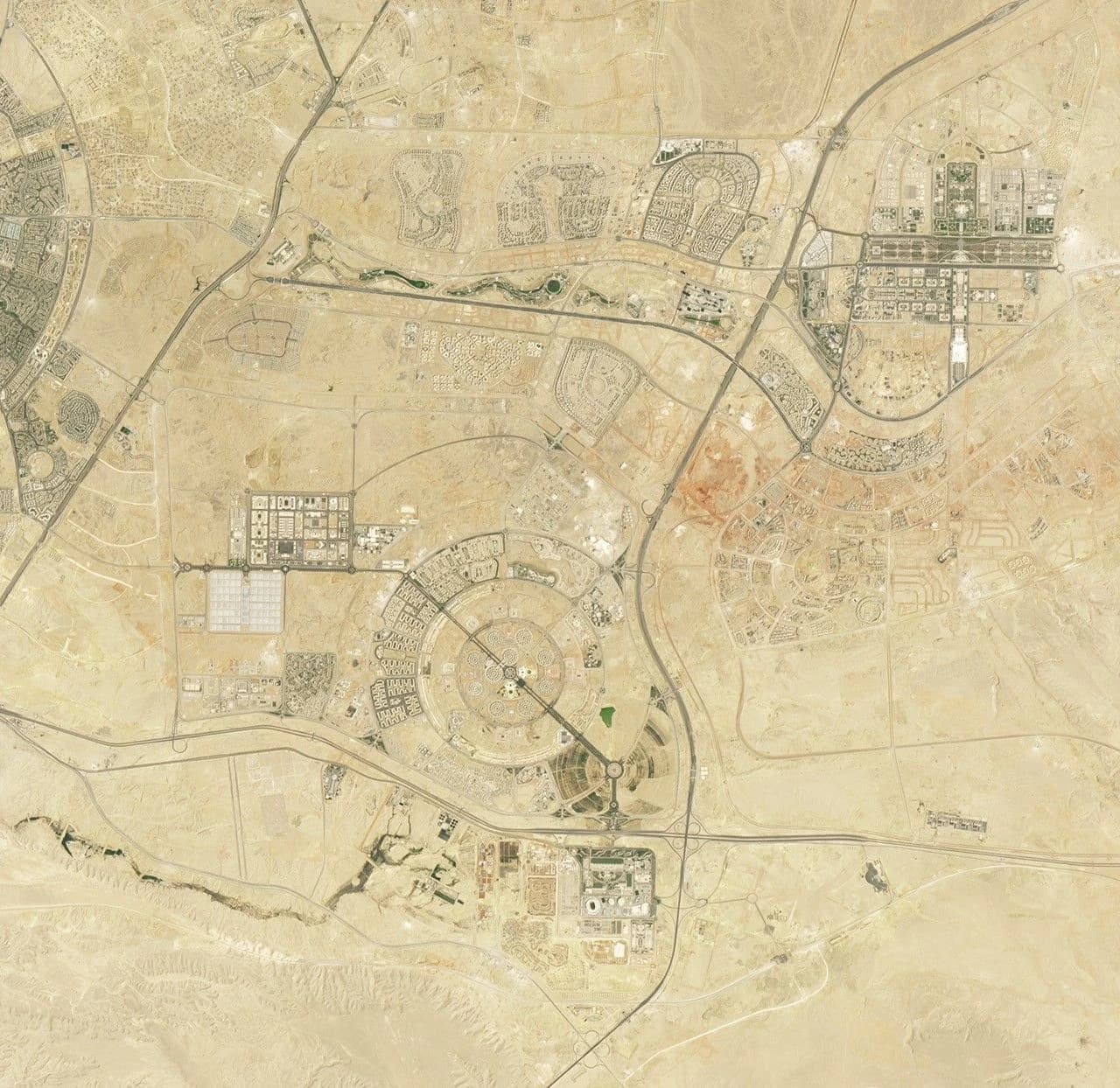
Egypt’s Housing Ministry has reshuffled leadership at three of the country’s fast-growing new cities, a move aimed at keeping development work moving in an urban expansion programme that remains central to the state’s housing and infrastructure agenda.
The ministry said in Decision No. 1392 of 2026, dated Sept. 9, that Eng. Ahmed Mohamed Abdel Razek would take over duties as head of New Minya City while also overseeing New Samalout, replacing his previous role as head of 10 Ramadan Gardens City. Eng. Mohamed Metwally Saber Abdel Rabbo was assigned to lead 10 Ramadan Gardens City, moving from his post as head of El Shorouk City. The changes took effect immediately.
The decision matters because Egypt’s new cities are not just administrative units; they are the front line of the government’s effort to spread population growth away from the Nile Valley, support residential supply and unlock demand for land, utilities and transport links. In a sector where execution risk often matters more than policy announcements, the replacement of city agency heads can affect the pace of permitting, infrastructure delivery and coordination with contractors and developers.
10 Ramadan and El Shorouk are among the more established satellite cities serving Cairo’s eastward expansion, while New Minya and New Samalout are part of the push to build out Upper Egypt’s urban capacity. Shifting experienced administrators between those posts suggests the ministry is trying to match leadership with local workload and project priorities rather than signaling a change in strategy.
For investors, the immediate market impact is limited, but the decision is still relevant for anyone exposed to Egyptian construction, building materials and real estate development. Faster administrative execution can shorten project timelines and improve confidence in state-backed urban growth, while management turnover can also temporarily slow approvals or disrupt coordination if transitions are not smooth.
Adalytica’s Housing Fear & Greed Index remains in neutral territory at 37, though awareness around the sector is elevated at 81 after rising 11 points in the past week. That points to a market that is watching the housing story closely even as sentiment has cooled sharply from earlier highs, underscoring how sensitive investors remain to signs of progress or bottlenecks in Egypt’s property and urban development pipeline.
The key question now is whether the personnel changes translate into faster delivery on the ground. If the new appointees accelerate permits, land allocation and infrastructure works, the move could support developer activity and related industrial demand. If the shuffle is purely administrative, the investment impact will be modest, but the appointments still reinforce how dependent Egypt’s housing drive is on execution at the city level.
| Entity | Gains | Losses |
|---|---|---|
| Housing Ministry | ▲tighter control | ▼no upside if execution slips |
| New Minya / New Samalout | ▲potential faster rollout | ▼transition risk |
| 10 Ramadan / El Shorouk | ▲refreshed leadership | ▼short-term disruption |
| Developers / contractors | ▲clearer counterparties | ▼slower approvals if handover lags |