Egypt inflation seen at 15.6% by end of July
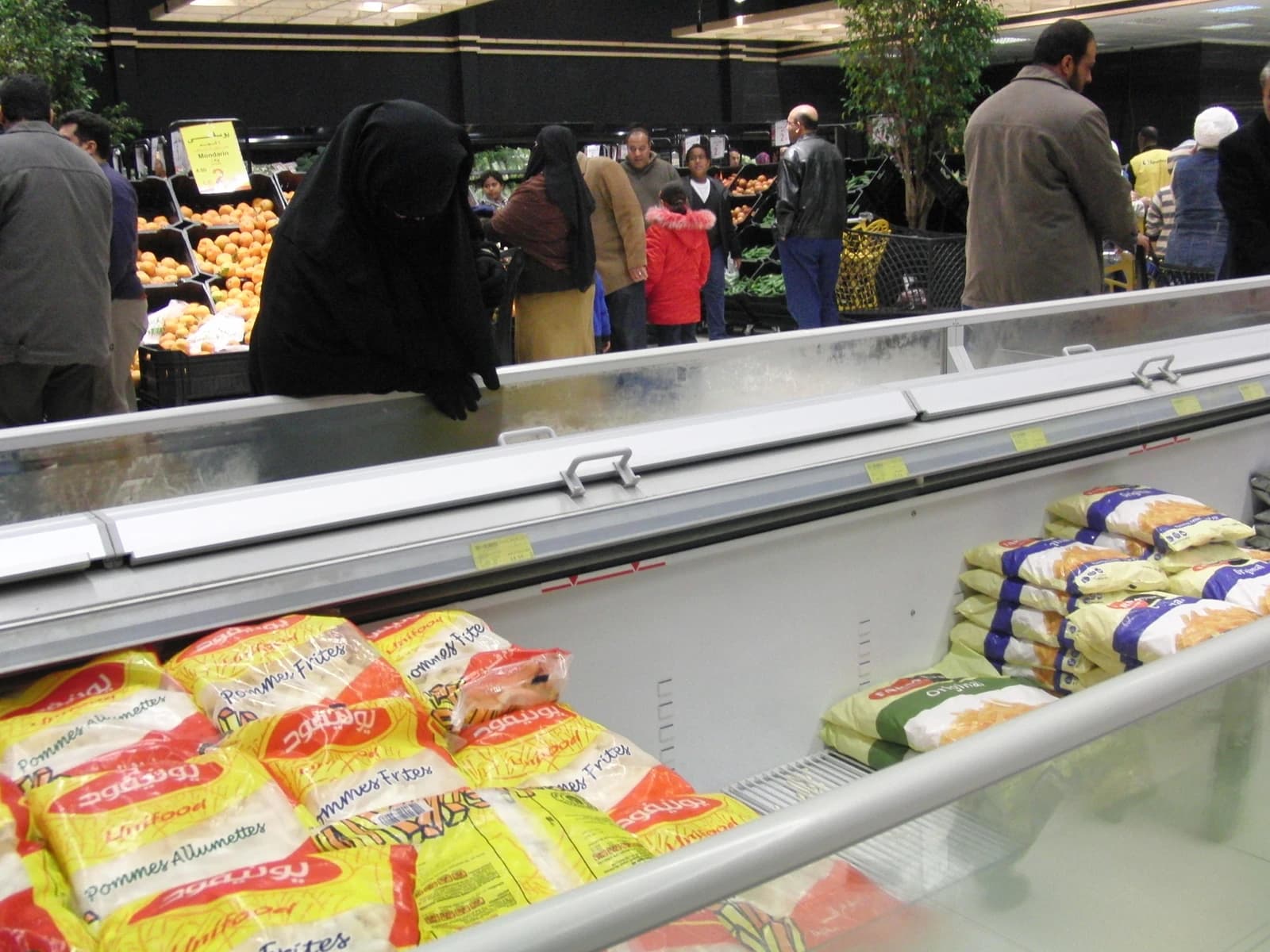
Egypt’s inflation outlook is set to turn hotter again, with city consumer prices seen rising to 15.6% by the end of July, underscoring how fragile the disinflation story remains even as the economy shows pockets of resilience.
That matters because inflation is still the key constraint on Egyptian policy, financing costs and real household demand. A renewed pickup would make it harder for the central bank to pivot aggressively toward easing, even after signs of improvement in labor markets and private-sector activity. For investors, that keeps the trade centered on high nominal yields, currency stability and whether policymakers can protect growth without reigniting price pressure.
The broader macro backdrop is mixed. Egypt’s unemployment rate eased to 5.8% in the second quarter from 6% in the first, helped by a larger labor force and more hiring, while the non-oil private sector, exports and investment have improved enough to support the government’s development push. But inflation remains the market’s focal point because it feeds directly into real incomes, consumer spending and the cost of capital for banks, builders and industrial firms.
The story also fits a wider regional pattern of uneven price dynamics, with some emerging markets seeing only modest relief while central banks stay cautious. In Egypt, that means every inflation print carries outsized weight for bondholders, equity investors and anyone exposed to local-currency assets. A reading near 15.6% would reinforce the view that the path to durable price stability is still incomplete, even if growth is holding up better than feared.
For investors, the thesis is straightforward: the opportunity is not in betting on a clean disinflation wave, but in positioning for a slower, more volatile normalization. That favors businesses with pricing power, exporters and companies tied to strategic state-led investment, while keeping pressure on domestically exposed retailers and rate-sensitive consumers. If inflation does reaccelerate into July, expect the market to stay defensive on Egyptian duration and selective on equities until the central bank has more room to cut.
| Entity | Gains | Losses |
|---|---|---|
| Exporters | ▲stronger nominal pricing | ▼domestic demand pressure |
| Banks | ▲high-rate environment | ▼slower loan growth |
| Domestic consumers | ▲— | ▼weaker purchasing power |
| Rate-sensitive sectors | ▲— | ▼higher financing costs |