Egypt Inflation Rises as Shrinkflation Grows
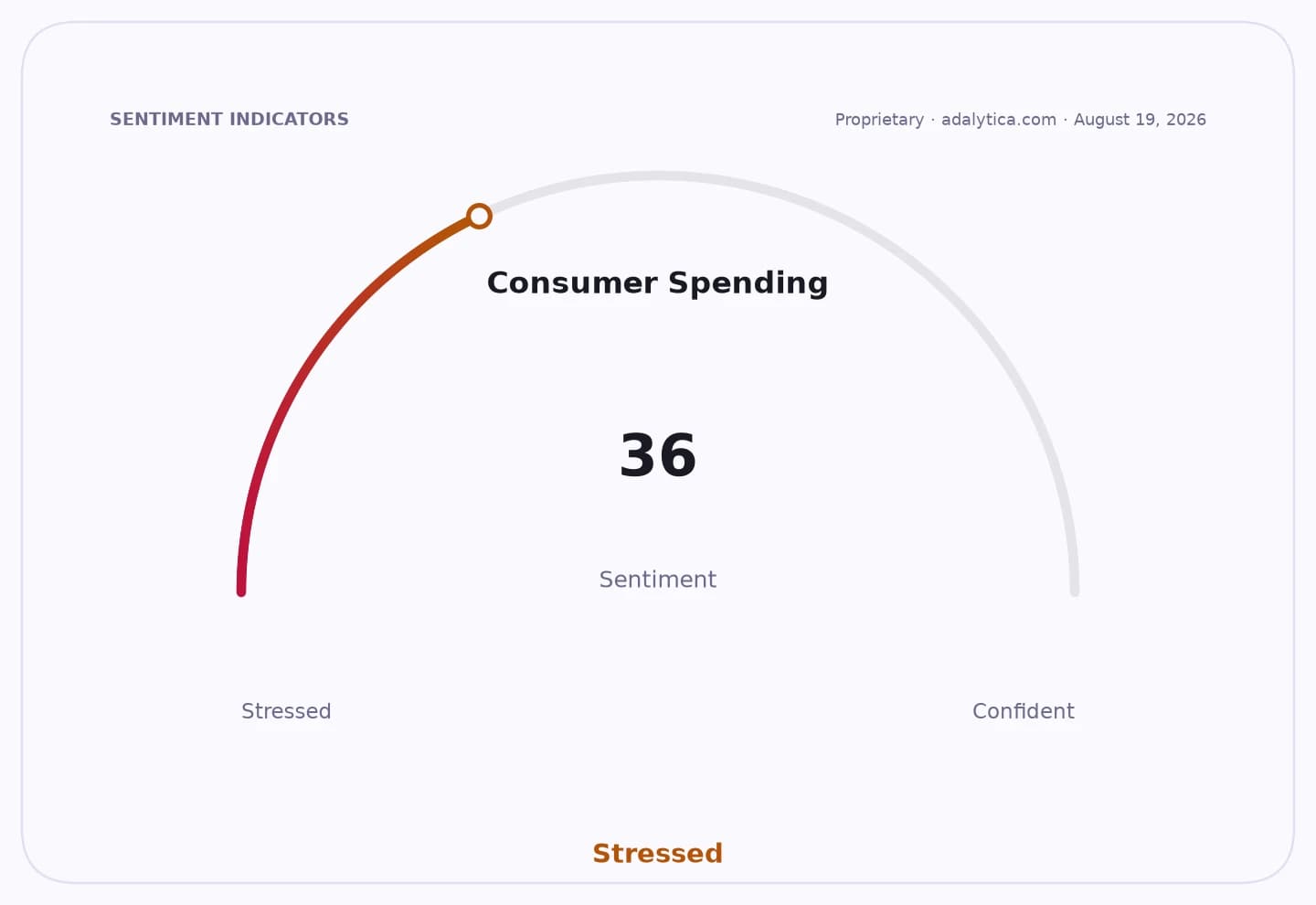
Egypt’s latest jump in urban inflation is doing more than lifting the cost of living: it is pushing households into a quieter form of price pain, where goods keep their sticker price but shrink in size or quality.
That “hidden inflation” matters because it preserves nominal sales for manufacturers and retailers while reducing what consumers actually get for their money. In a market where affordability is already strained, shrinkflation can keep headline price tags from spiking further, but it does so by eroding real purchasing power and trust. For investors, that shifts the inflation story from a simple question of price levels to one of demand durability, margin protection and brand perception.
Egypt’s urban consumer price inflation accelerated to 14.9%, underscoring that price pressures remain elevated even as some economies cool. Colombia’s annual inflation eased to 6.03% in July and Norway’s core inflation held at 2.7%, below expectations, highlighting how unusual Egypt’s reading looks against a softer global inflation backdrop. The contrast matters for central banks and currency markets because it suggests Egypt still faces more entrenched domestic pricing pressure than peers, limiting room for policy ease and keeping real incomes under strain.
For consumer companies, the arithmetic is straightforward. If they cannot fully pass on higher input, logistics or currency costs, they often respond by trimming pack sizes, reducing ingredients or changing formulations. Procter & Gamble has disclosed continued exposure to commodities, raw materials and packaging costs, while Unilever has flagged the effect of currency-related items and hyperinflationary markets on reported results. In Egypt, that dynamic can support reported revenue and nominal unit economics, but it risks alienating price-sensitive shoppers who increasingly compare value rather than shelf prices.
The investor implication is that volume growth may be weaker than it looks, even where reported revenue holds up. Pack-size reductions can mask demand softness for a while, but they rarely solve affordability pressure. That leaves producers, importers and retailers exposed to a trade-off between maintaining margins and preserving brand loyalty, especially if consumer sentiment stays fragile and discretionary spending remains subdued.
The broader narrative is that inflation is becoming less visible rather than less damaging. For households, that means the squeeze is continuing in the supermarket basket, not just in monthly CPI prints. For investors, it raises the bar for earnings quality in consumer staples and consumer-facing retail: the market will increasingly need to distinguish between pricing power and mere shrinkage.
| Entity | Gains | Losses |
|---|---|---|
| Consumer-goods firms | ▲Protect margins | ▼Risk backlash over value |
| Egyptian retailers | ▲Hold nominal sales | ▼Face weaker basket loyalty |
| Households | ▲— | ▼Get less for same price |
| Importers | ▲Pass through costs selectively | ▼Suffer demand pressure |