Egypt expands price cuts to 30 commodities
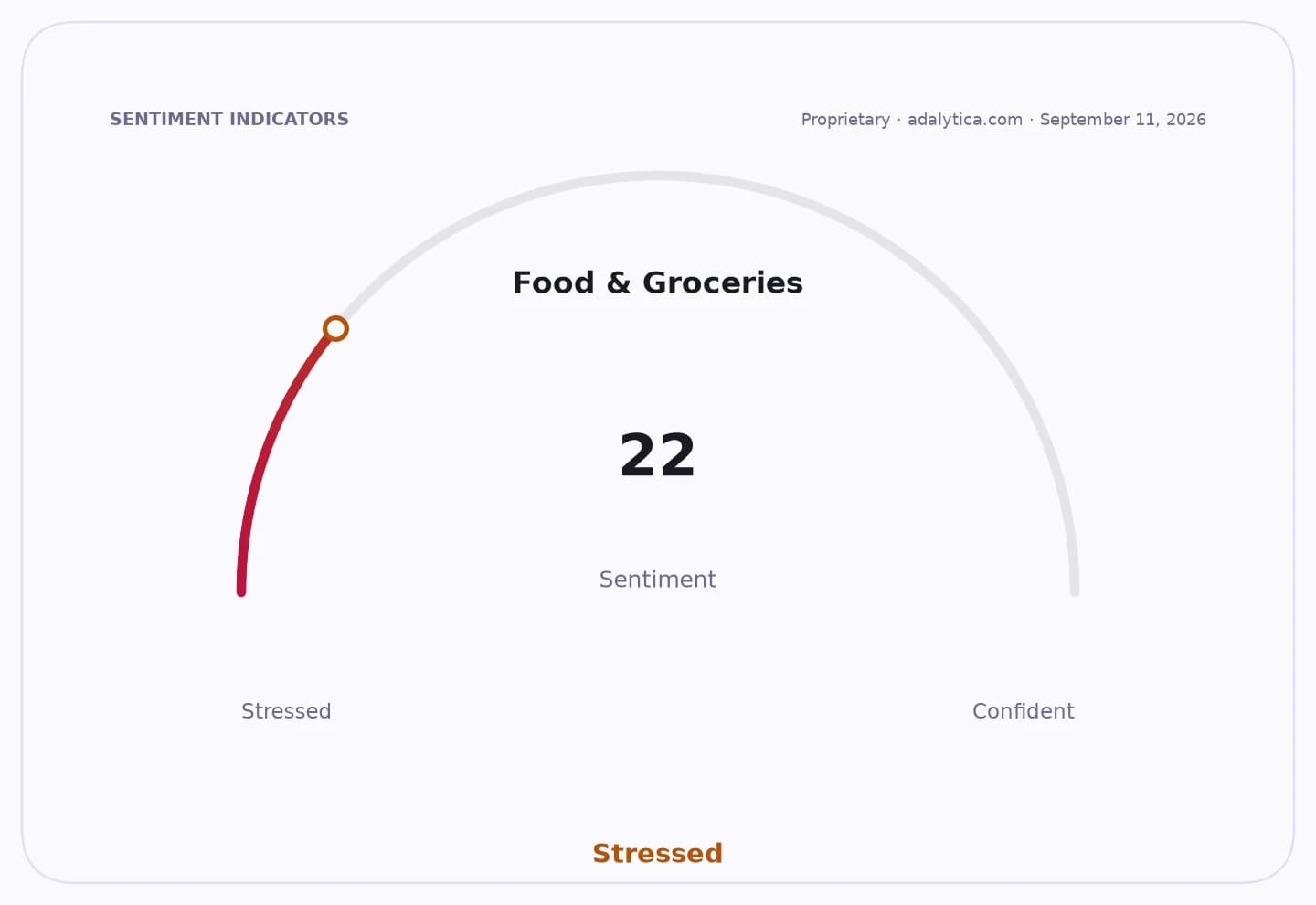
Egypt’s supply ministry is broadening its price-reduction campaign to 30 commodities, a sign the government is leaning harder on food intervention as households face persistent inflation pressure and global grain and energy markets stay volatile.
The move matters because food remains the fastest way inflation hits Egyptian consumers and the quickest channel through which higher import costs can spill into social stress. By expanding the initiative from an initial 12 staple items to 30 goods, the government is trying to blunt the pass-through from expensive inputs into retail prices before it feeds broader expectations.
That is a defensive policy response, but it also shows how vulnerable Egypt remains to external shocks. Oil prices have been swinging higher on Middle East tensions, and that matters for a country that imports much of what it eats and pays for transportation and logistics in hard currency. When fuel and freight costs rise, the pressure tends to show up first in food shelves, not just in headline inflation readings.
For investors, the implication is straightforward: the state is signaling it will keep intervening where pricing power is politically sensitive. That can cap margins for some local distributors and retailers, while supporting volumes for suppliers aligned with government channels. It also underscores why staples, agribusiness, and import-dependent consumer names remain exposed to policy risk in Egypt, even when demand itself is stable.
The broader narrative is that Cairo is prioritizing price stability over market pricing discipline, a familiar pattern in high-inflation emerging markets. The expansion to 30 commodities suggests the first phase was not enough to calm consumer pressure, and it raises the odds of more administrative measures if food costs or energy prices stay elevated.
If the program is executed at scale, it could temporarily ease household budgets and cool food inflation sentiment. But the real trade for investors is not the short-term relief — it is the signal that Egypt’s consumer economy remains in intervention mode, and that means the winners will be companies with state backing, supply-chain efficiency or hard-currency insulation.
| Entity | Gains | Losses |
|---|---|---|
| Egyptian consumers | ▲Lower staple prices | ▼Limited product choice |
| Government / Ministry of Supply | ▲Political cover | ▼Fiscal and execution burden |
| State-aligned suppliers | ▲Higher volumes | ▼Margin pressure |
| Private retailers/importers | ▲Potential traffic boost | ▼Pricing flexibility |