Egypt Private Investment Push Draws Foreign Capital
Egypt’s push to lift private investment to 64% of economic activity by 2030 is starting to show up in foreign capital flows, with currency reforms and a series of bilateral agreements helping steady the pound and improve the country’s appeal to investors.
That matters because Egypt’s growth model has long leaned on the state, imported capital and periodic currency distortions that kept investors cautious. A more flexible exchange rate, combined with efforts to broaden private-sector participation, is aimed at fixing two of the economy’s biggest constraints at once: foreign-exchange shortages and weak private investment. For investors, the key question is not whether Egypt can attract episodic inflows, but whether policy changes can make those flows durable enough to support reserves, imports and domestic credit.
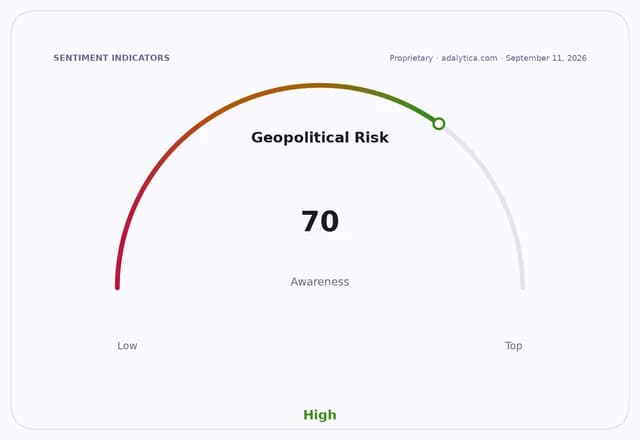
The latest policy push comes as Cairo deepens currency and industrial cooperation with China, including expanded swap lines, while inflation has eased to 12.7% in August from much higher levels earlier in the cycle. Softer food prices have helped cool price pressures, giving policymakers more room to focus on growth and external stability. A calmer inflation backdrop also reduces the risk that currency reform will be undermined by a renewed price spiral, though the credibility of the disinflation trend remains central.
For investors, the combination of reform and macro stabilization is constructive. A more stable currency market lowers the risk premium on Egyptian assets, especially for foreign buyers evaluating local debt, equities and real-economy projects. It also improves the odds that private companies can plan imports, price contracts and finance working capital without constant exchange-rate shocks. That is particularly important in sectors tied to trade, logistics, manufacturing and consumer demand.
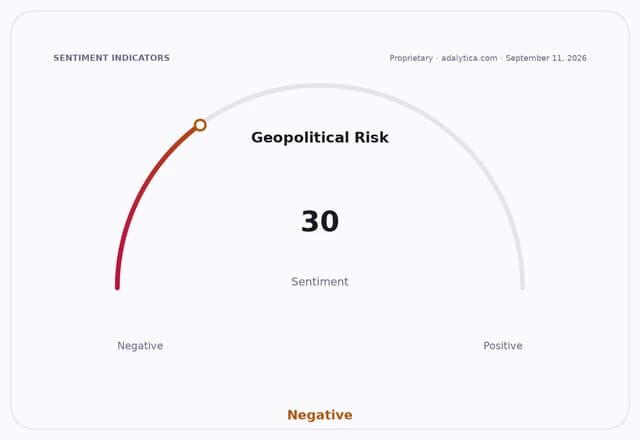
The Reuters and Bloomberg-style investment case is straightforward: Egypt is trying to convert policy intent into a less interventionist, more investable economy. The bull case is that easier currency access, lower inflation and stronger international partnerships pull in longer-duration foreign direct investment rather than just short-term portfolio money. The bear case is that global uncertainty, lingering external funding needs and execution risk could limit the benefits, leaving the pound vulnerable if inflows slow.
Egypt’s shares have reflected the improving tone, with the iShares MSCI Egypt ETF recently trading above its 50-day and 200-day moving averages, while momentum readings remain positive. That suggests markets are already leaning toward a better external and policy outlook, though not yet pricing in a full structural turnaround.
The next test is whether Cairo can sustain reform without reverting to administrative controls if the currency comes under pressure again. If it does, the country could keep drawing foreign investment and reduce its reliance on stop-start emergency financing. If not, the current improvement may prove cyclical rather than durable.
| Entity | Gains | Losses |
|---|---|---|
| Egypt government | ▲Higher foreign inflows | ▼Policy credibility risk |
| Foreign investors | ▲Better FX stability | ▼Execution uncertainty |
| Egyptian pound | ▲Reduced pressure | ▼Vulnerable to outflows |
| State-led economy | ▲More private capital | ▼Less room for controls |