Egypt reserves rise to $56.294 billion
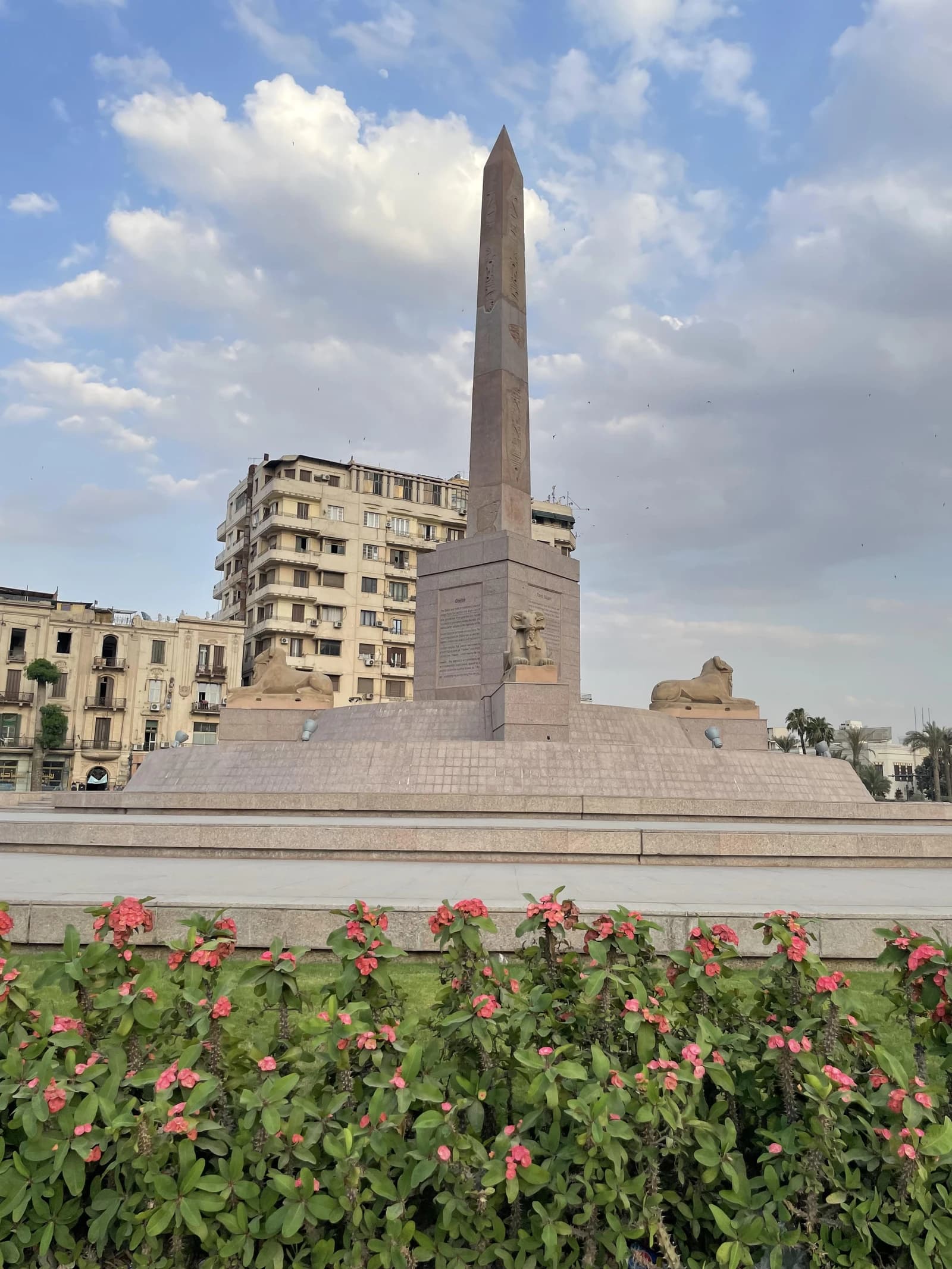
Egypt’s net international reserves climbed to $56.294 billion, reinforcing a rare but important sign of stability in a market that has spent much of the past two years under pressure from foreign-currency shortages, inflation and debt strains.
The increase matters because reserves are one of the clearest gauges of a central bank’s ability to defend the currency, meet import needs and reassure creditors. For Egypt, a larger reserve buffer helps reduce the risk of fresh balance-of-payments stress and gives policymakers more room to manage the pound without resorting immediately to tighter controls or emergency measures.
The move also has broader economic significance. Egypt has been trying to rebuild confidence after repeated devaluations and a sharp slowdown in capital inflows, while still carrying one of the region’s heaviest external financing burdens. Rising reserves suggest the authorities have improved access to foreign currency through a mix of inflows, external support and tighter domestic management. That can help stabilize import financing for fuel, food and industrial inputs, easing some pressure on consumer prices and businesses dependent on foreign supplies.
For investors, the reserve build is a constructive signal, though not a conclusion. Bondholders and currency traders typically look at reserves alongside short-term external debt, current-account trends and the exchange-rate regime. A higher reserve figure can support Egyptian sovereign assets and reduce immediate default fears, but the key question is whether the gain reflects durable inflows or temporary funding. If reserves are rising because of stronger tourism receipts, remittances, FDI or multilateral support, the improvement is more sustainable than if it stems mainly from administrative compression of imports.
The story also sits within a wider market backdrop in which the US dollar has remained strong and risk appetite for emerging markets has been uneven. That makes Egypt’s reserve gain more valuable, because external buffers matter more when global funding conditions are tight. Still, the country remains vulnerable to shifts in dollar liquidity, energy prices and regional tensions, all of which can quickly reshape its financing needs.
The next test is whether the reserve increase is matched by steady inflation moderation, a more stable pound and continued access to external financing. If so, Egypt could slowly rebuild credibility with investors. If not, the headline reserve gain may prove only a temporary reprieve.
| Entity | Gains | Losses |
|---|---|---|
| Central Bank of Egypt | ▲Larger reserve buffer | ▼Less immediate FX pressure |
| Egyptian pound | ▲Improved support | ▼Speculative selling pressure |
| Bondholders | ▲Better repayment confidence | ▼Lower default fear premium |
| Importers | ▲Greater access to foreign currency | ▼Scarcity-related disruptions |