Egypt school-supply prices rise as demand falls
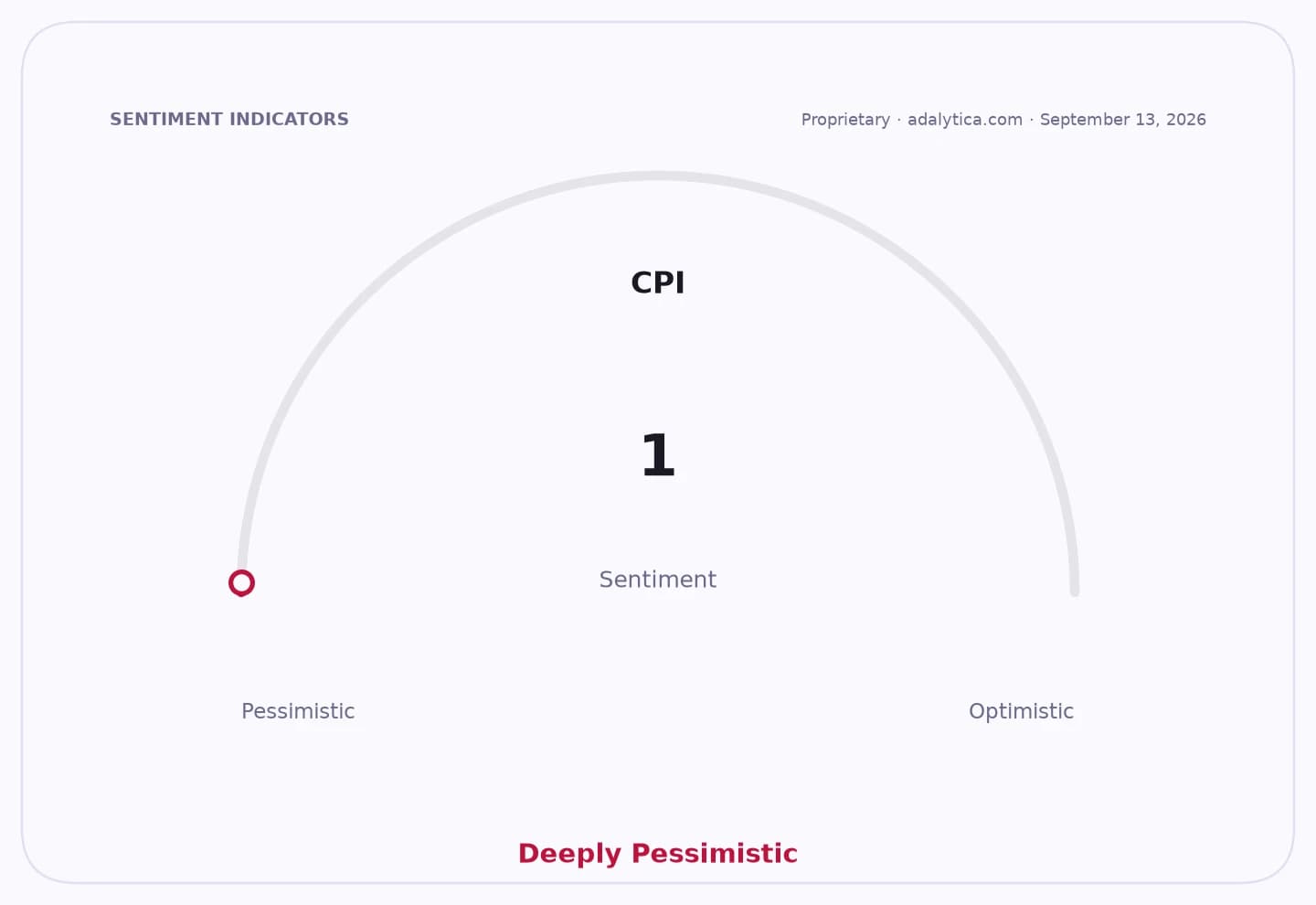
School-supply prices in Egypt are edging higher ahead of the new academic year, but the bigger story is the collapse in demand, with purchases down as much as 50% as households cut back on nonessential spending.
That squeeze matters because back-to-school shopping is normally one of the season’s most reliable retail bursts, feeding sales for stationers, importers and local manufacturers. Instead, families are buying only the bare minimum, according to Ahmed Abu Gebel, head of the office and school supplies division at Cairo’s chamber of commerce.
Prices for office supplies are up 5% to 10% from a year ago, while notebooks have risen about 10%, or roughly 25 to 50 piastres per item, Abu Gebel said in comments to Egyptian outlet Ahl Masr. The combination of modest inflation and a steep drop in volumes suggests retailers are facing weaker turnover even as unit prices creep higher.
The pullback also highlights broader household strain in Egypt, where consumers are prioritizing essentials and deferring discretionary purchases. Even with the government-backed “Ahlan Schools” fairs offering discounts of 30% to 35%, Abu Gebel said demand remains weak.
For investors, that points to pressure on importers, wholesalers and small retailers tied to the school season, while favoring lower-price local products over imported brands. Abu Gebel said Egyptian factories currently meet about 20% to 25% of demand for some items, leaving room for domestic producers to gain share if they can improve quality and compete on price.
The setup leaves the sector highly dependent on seasonal promotions and any further relief in household budgets. If demand does not recover into the start of term, retailers could end up with slower inventory turnover and thinner margins even as inflation keeps shelf prices elevated.
| Entity | Gains | Losses |
|---|---|---|
| Local school-supply makers | ▲Share gains from cheaper alternatives | ▼Must upgrade quality to compete |
| Retailers and stationers | ▲Higher unit prices | ▼50% drop in volumes |
| Egyptian households | ▲Discounted fair pricing | ▼Higher education costs |
| Imported brands | ▲None | ▼Loss of price-sensitive demand |