Egypt Silver Prices Fall as Dollar Strengthens
Silver prices in Egypt fell 2.89% over the week to Sept. 5, with 999-karat silver ending at 104.75 pounds per gram as a stronger dollar and expectations of higher U.S. rates for longer weighed on precious metals.
The move matters because silver in Egypt is being priced not just by local jewellery demand, but by the same macro forces driving global bullion: U.S. monetary policy, Treasury yields and the dollar. For investors, that means the domestic market is effectively importing U.S. rate expectations, while a widening discount to fair value points to soft local demand and a market still struggling to absorb supply at current prices.
According to the Safe Haven Center, 999 silver slipped from 108.02 pounds a gram at the start of the week to about 104.9 pounds before settling at 104.75 pounds. Sterling silver, or 925, was priced at 97 pounds a gram, while the silver coin reached 776 pounds. Globally, an ounce of silver was quoted at $66.
The report said the decline came after an early-week lift from geopolitical tensions and a weaker dollar gave way to renewed pressure once U.S. data strengthened the case for restrictive policy. The U.S. added 162,000 jobs in August, unemployment held at 4.1% and wage growth slowed to 3.1% year on year, a combination that leaves the Federal Reserve with room to stay cautious even if inflation pressure is easing at the margin.
That mix has left markets torn between two narratives: a solid labor market that supports elevated rates and a slower wage trend that could eventually cap the Fed’s hawkishness. For silver, which carries both safe-haven and industrial demand characteristics, the rate channel remains the more immediate driver. Higher yields raise the opportunity cost of holding non-yielding assets, while a firm dollar makes dollar-priced metals more expensive for buyers outside the U.S.
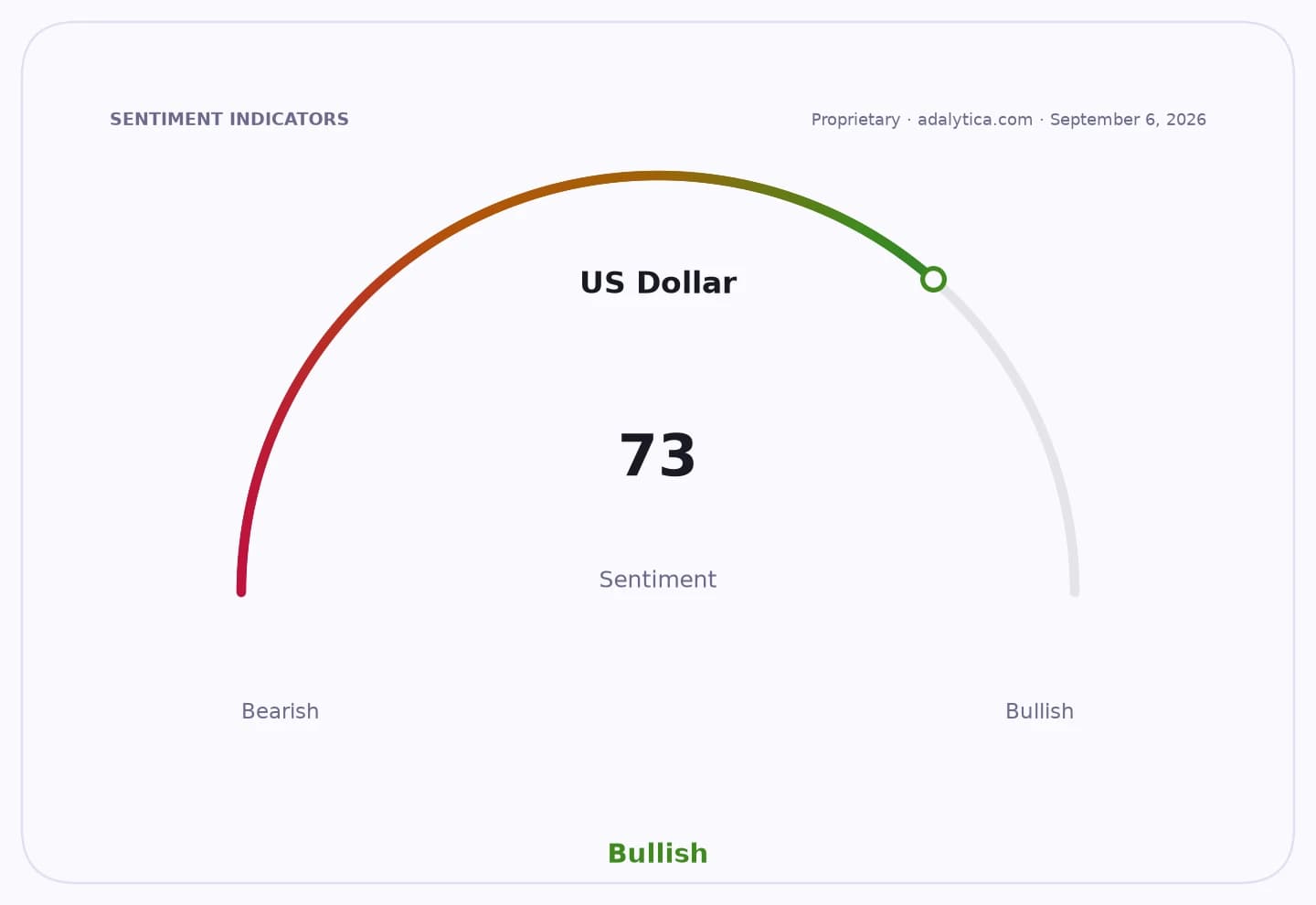
The dollar’s move above 99 also added to the pressure, while the pound’s stability near 50.95 against the dollar helped limit volatility in Egypt rather than offset it. Adalytica’s U.S. dollar trade signals showed sentiment in “greed” territory, reinforcing the currency’s firm tone, while Treasury bond signals remained neutral, suggesting investors are still pricing a higher-for-longer rates backdrop rather than an outright growth scare.
Locally, the clearest warning sign is the discount between the market price and fair value, which widened to 3.45 pounds a gram, or 3.18%, by Sept. 4. That gap suggests demand is weak relative to global pricing and that buyers are not yet stepping in aggressively to narrow it. The spread had widened from 2.24 pounds on Sept. 2 to 3.29 pounds on Sept. 3 before reaching the week’s peak, underscoring a steady deterioration in local appetite.
For investors, the immediate takeaway is that silver’s near-term direction will still be dictated by the Fed rather than Egyptian retail demand. A clear signal that rate cuts are coming could revive global silver prices and tighten local discounts. But if the Fed keeps policy restrictive for longer, Egypt’s silver market is likely to stay under pressure, with any recovery dependent on a softer dollar and stronger physical demand.
| Entity | Gains | Losses |
|---|---|---|
| U.S. dollar | ▲Stronger pricing power | ▼Silver buyers |
| Federal Reserve hawks | ▲Higher-for-longer case | ▼Precious-metals bulls |
| Egyptian retailers/jewellers | ▲Lower input costs | ▼Holders of silver inventory |
| Silver bulls | ▲Support if cuts arrive | ▼Near-term rate pressure |