Egypt steel prices hold as dollar tops 51 pounds
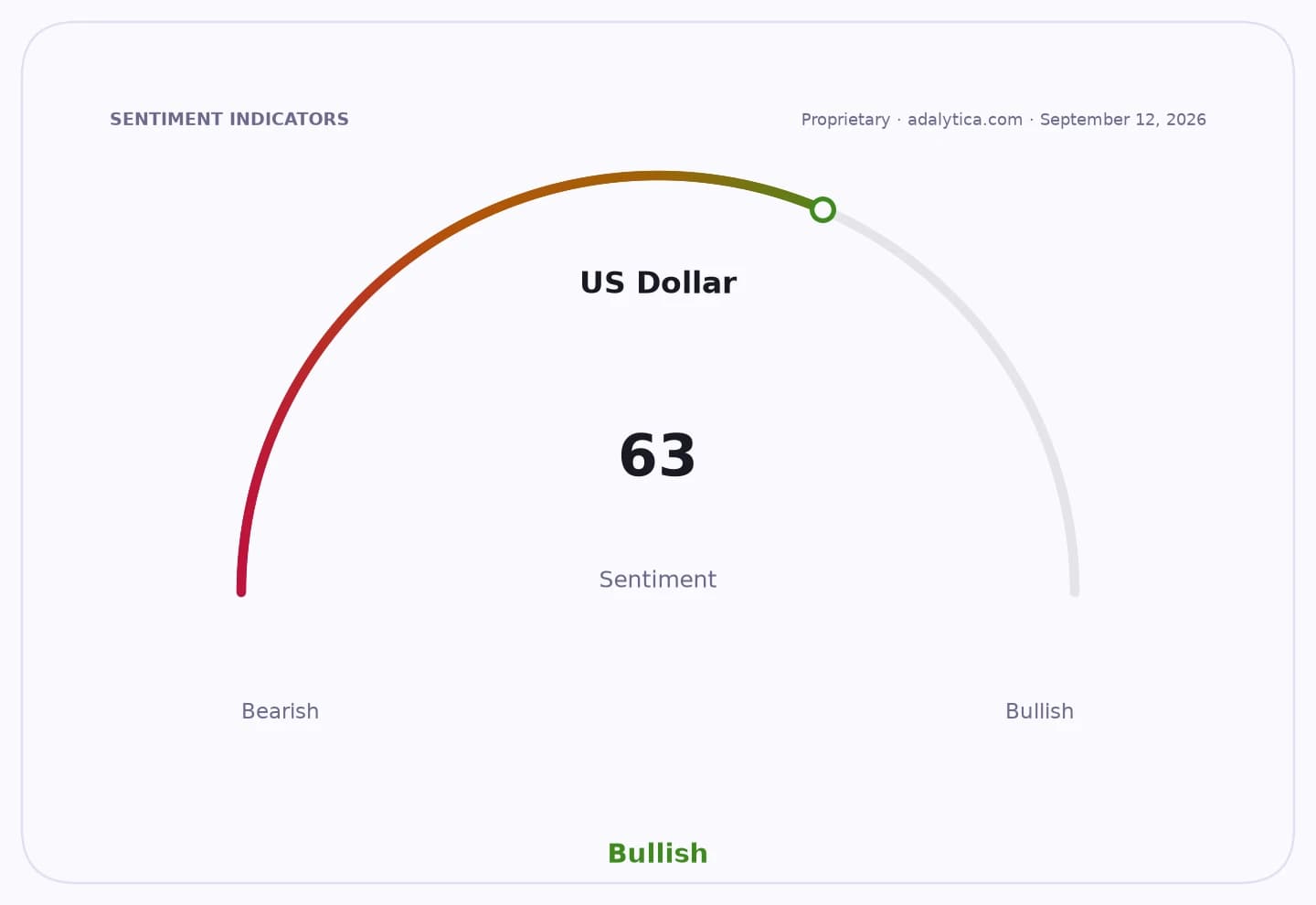
Egypt’s steel market is holding near a fragile equilibrium: Ezz Steel is charging 39,850 pounds a ton even as the dollar pushes above 51 pounds, but weak local demand is stopping producers from passing through higher costs.
That matters because steel is one of the clearest real-time gauges of Egypt’s construction cycle, import-cost pressure and currency stress. A stronger dollar raises the local-currency bill for imported inputs, energy-linked costs and scrap exposure, yet flat prices show builders and distributors are too cautious to absorb a meaningful increase. In other words, cost inflation is building underneath the market while end-demand is too soft to release it.
The result is margin compression for producers and a warning sign for the wider economy. Ezz Steel is at the top of the market at 39,850 pounds a ton, followed by Behaey at 39,500 pounds and Suez Steel at 39,350 pounds, while lower-priced names such as Star Steel and Antar are quoting 37,300 and 37,000 pounds. The spread shows a market that is stable on the surface but still highly sensitive to input costs, financing conditions and buyer power.
For investors, the setup favors companies with scale, pricing discipline and balance-sheet strength, while punishing smaller mills that lack room to absorb currency-driven cost shocks. If the pound weakens further and construction demand remains sluggish, producers may be forced to choose between protecting volume and protecting margin. Either path is uncomfortable.
The bigger takeaway is that Egypt’s steel prices are not really “stable” in a healthy sense — they are pinned in place by weak demand. That is why the next move in the dollar will matter more than the next move in headline steel quotes. Until construction spending re-accelerates, the market is likely to stay range-bound, with cost pressure accumulating beneath the surface.
| Entity | Gains | Losses |
|---|---|---|
| Ezz Steel | ▲Pricing leadership | ▼Volume risk if demand fades |
| Smaller steel mills | ▲Short-term price discipline | ▼Margin pressure from dollar costs |
| Builders and buyers | ▲No immediate price spike | ▼Exposure to future cost pass-through |
| Egyptian consumers/economy | ▲Near-term price stability | ▼Weaker construction activity |