Egypt Tomato Prices Stabilize at 20 Pounds a Kilo
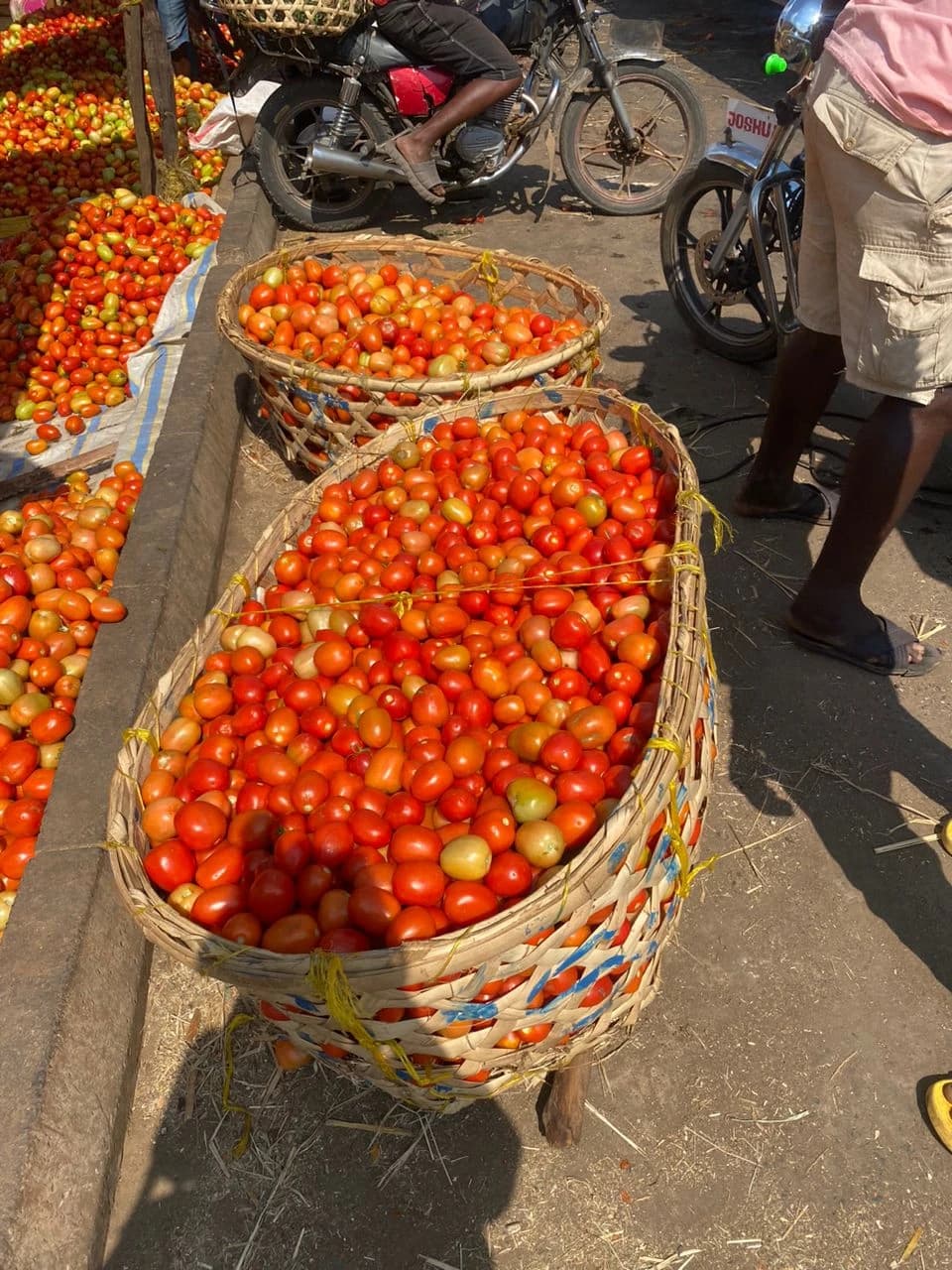
Tomato prices in Egypt have stabilized at 20 pounds a kilo, and merchants say that matters because tomatoes remain the anchor for pricing across the broader vegetable basket.
Retailers in Cairo and Giza said a steadier supply of crops and smoother logistics have calmed the market, with fresh arrivals from Giza and Beheira helping tomatoes fall from about 30 pounds recently to 20 pounds now. Traders said that when tomatoes swing, other vegetables usually follow, making the crop the main driver of short-term moves in the produce aisle.
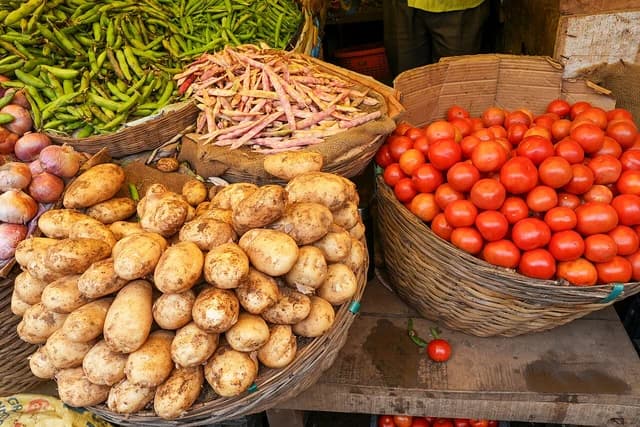
The ripple effect is already visible. Potatoes for cooking and frying have also eased to 20 pounds a kilo as refrigerated supply normalizes, while zucchini and cucumber are trading around the same level on stronger greenhouse harvests. Sweet and hot peppers have joined the cluster at 20 pounds in most markets, according to traders at Cairo’s Obour wholesale market.
Said Hassan, a trader at Obour, said the convergence of six key vegetables at one price reflects higher supply and lower internal transport costs after late summer harvests recovered. He added that consumers are buying fresh produce day by day rather than stocking up, a pattern that should keep turnover stable in the near term.
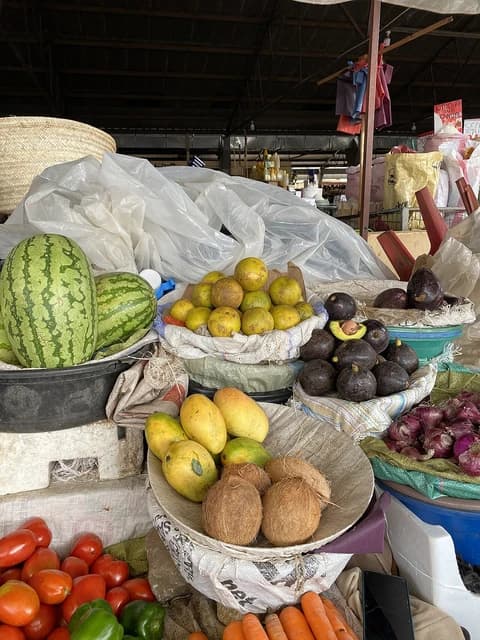
For investors and policymakers, the bigger takeaway is that food inflation pressure may be easing at the margin as fresh produce supply improves. That is relevant to Egypt’s consumer basket, where vegetables can move headline food costs quickly and influence household spending power.
At Obour, tomatoes were still quoted in a wide range depending on form and grade, with a tomato carton seen between 250 and 400 pounds, while other items such as peppers, lemons, zucchini, cucumbers and eggplant traded at lower spot prices.
The next test is whether the current price plateau holds as late-summer supplies continue to filter through markets. Any renewed jump in tomatoes would likely pull the rest of the vegetable basket with it.
| Entity | Gains | Losses |
|---|---|---|
| Consumers | ▲Lower grocery bills | ▼Less room for bulk buying |
| Retail traders | ▲Steadier turnover | ▼Smaller margins if prices soften |
| Egyptian households | ▲Easier budget planning | ▼Exposure to any tomato rebound |
| Producers with stronger harvests | ▲Better market access | ▼Growers facing oversupply pressure |