Egypt Transportation raises bus and minibus fares
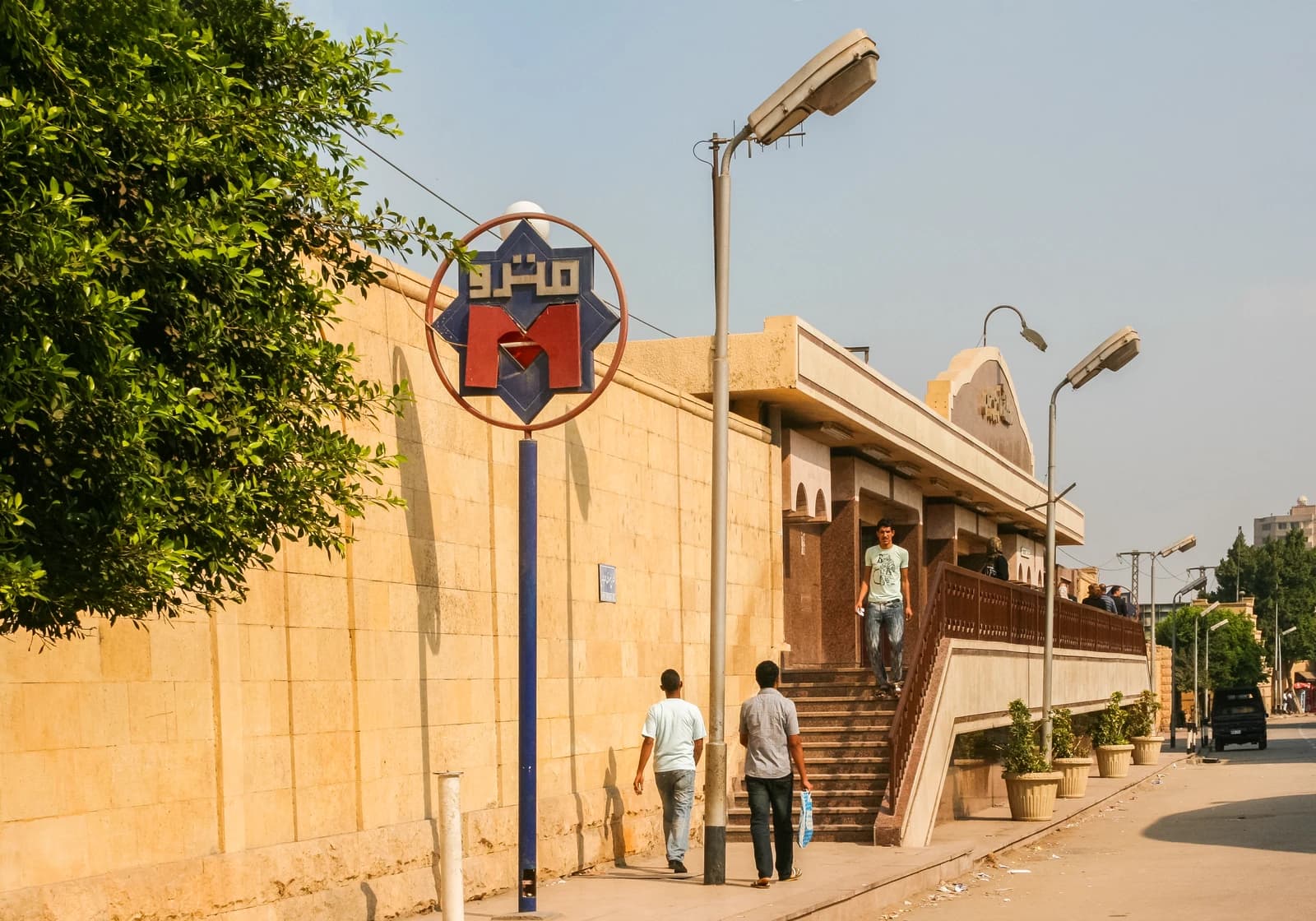
Egypt Transportation is lifting bus and minibus fares by 12.5% from April after higher diesel prices and a weaker pound pushed up operating costs, a move that protects margins but adds to household transport inflation in one of Egypt’s most price-sensitive spending categories.
The company, Mowasat Misr, said full-trip bus fares now range from 35 to 45 Egyptian pounds, up from 30 to 40 pounds, while minibus fares start at 2 pounds and rise to 5 pounds depending on the route. It also raised the fare inside its “Mowasati” card by 1 to 2 pounds, underscoring how quickly higher fuel and spare-parts costs are feeding through the transport sector.
For the economy, the increase is another small but direct pass-through from energy and currency pressures into consumer prices. Transport is a core input across retail, logistics and commuting, so even modest fare adjustments can ripple through broader inflation expectations at a time when Egyptian households are already under strain.
For investors, the fare hike improves the operator’s ability to defend revenue as costs rise, especially after the latest jump in the dollar lifted the price of imported parts. The company says it carries about 16,000 passengers a year and plans to expand routes and improve service in 2026, while its app has roughly 250,000 users and more than 300 buses operate across Greater Cairo and Giza.
In market terms, the stock’s recent technical picture remains mixed, with conventional indicators showing the shares still below the 50-day moving average and RSI readings around the mid-40s, suggesting the pricing move may help sentiment only if it feeds into clearer earnings resilience. The next catalyst will be whether ridership holds up after the increase and whether further fuel or currency pressures force another round of fare changes.
| Entity | Gains | Losses |
|---|---|---|
| Egypt Transportation | ▲Higher fare revenue | ▼Risk of weaker demand |
| Shareholders | ▲Better margin protection | ▼Less upside if ridership falls |
| Commuters | ▲— | ▼Higher travel costs |
| Egypt consumers | ▲— | ▼More inflation pressure |