Egypt Crop Rebound Could Ease Wheat Imports
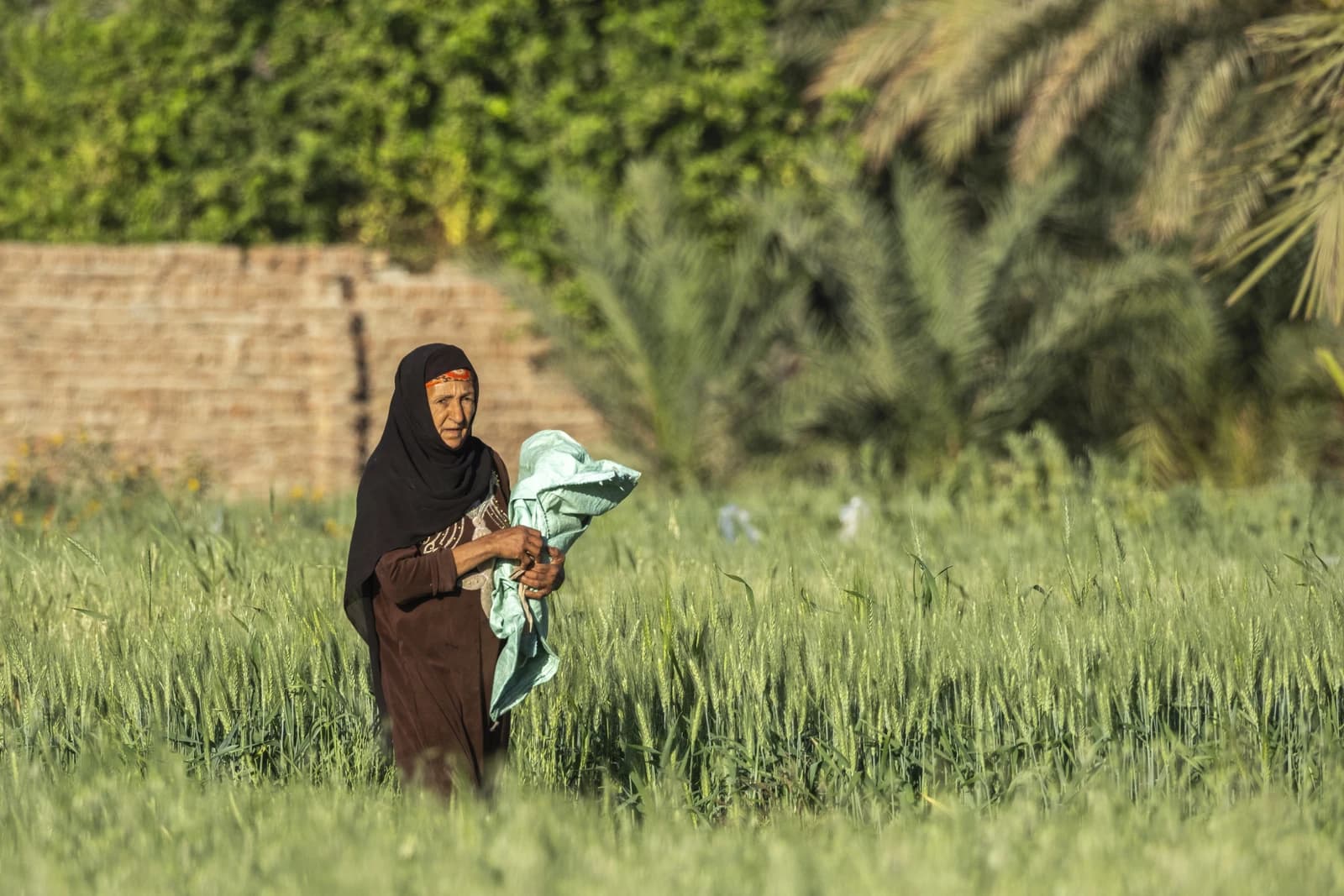
North Africa’s wheat output is set to rebound in 2026, with Egypt on track for a record crop, a shift that could soften import needs across a region that relies heavily on foreign grain and has been hit by drought-related supply stress.
The increase matters because wheat is the backbone of food inflation and social stability across North Africa. Higher local production should ease pressure on governments that subsidize bread, trim some import bills and improve near-term food security after a volatile stretch for global agriculture.
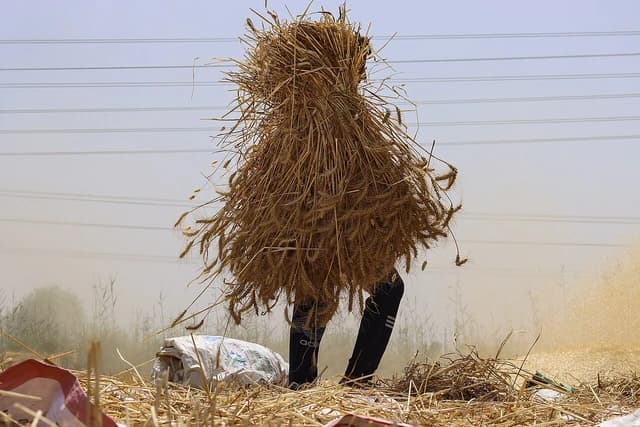
Egypt is the key swing factor. As the region’s largest wheat producer and one of the world’s biggest importers, a record harvest would reduce the volume Cairo needs to buy on the international market, where freight, currency moves and Black Sea disruption have all affected costs in recent years.
That has implications well beyond Egypt. If North African demand for imported wheat eases, it could weigh on benchmark prices at the margin and reduce urgency for buyers already navigating scarce inventories, drought concerns and policy-driven stockpiling in other markets, including Pakistan, where reports of a possible 3.5 million tonne deficit have raised food-security alarms.
For investors, the backdrop is mixed. Lower regional import demand would be a headwind for grain merchants and shippers, while improved crop output could support sentiment around food affordability and reduce the risk of emergency buying, but wheat prices remain sensitive to weather and geopolitical supply shocks.
Adalytica’s Food and Grocery Spending Sentiment gauge sits in fear territory, underscoring how fragile consumer confidence remains when staple prices swing. The next test for the trade will be whether the 2026 harvest rebound in Egypt translates into sustained buying relief, or whether drought and policy intervention keep global wheat markets tight.
| Entity | Gains | Losses |
|---|---|---|
| Egypt | ▲Lower import needs | ▼Less urgency for foreign supply |
| North African consumers | ▲Better food security | ▼Less if harvest disappoints |
| Grain exporters | ▲Stable demand if shortages persist elsewhere | ▼Lower regional sales if imports fall |
| Wheat bulls | ▲Volatility from drought and geopolitics | ▼Easing North African demand |