Egypt Wheat Crop Hits Record 10.2 Million Tons
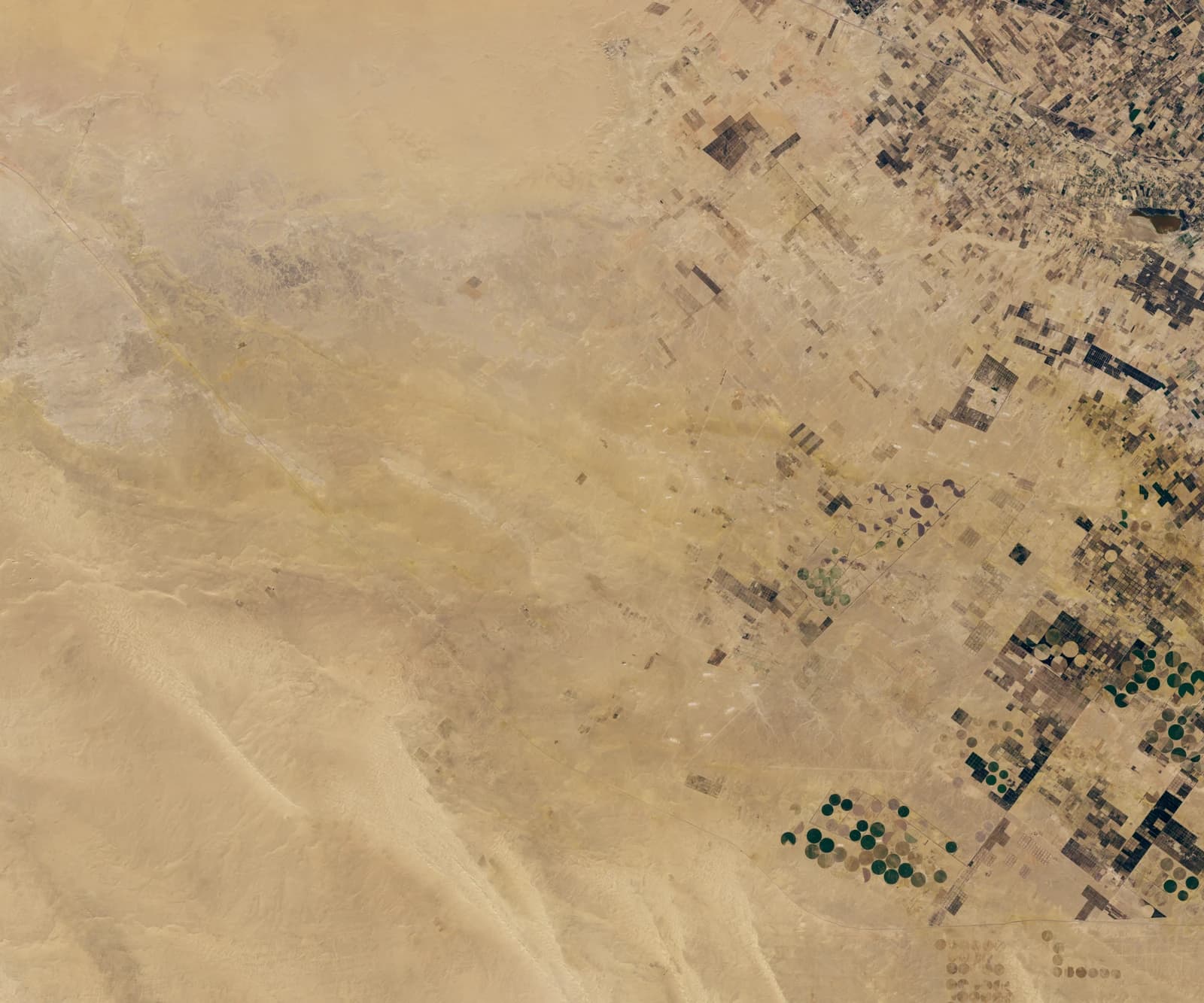
Egypt’s wheat crop rose to 10.2 million tons this season, a record that underscores how the country is trying to blunt its reliance on costly imports as global grain markets stay volatile.
The increase matters because Egypt is one of the world’s biggest wheat buyers, so every extra ton harvested locally eases pressure on the import bill, government reserves and food inflation. With international wheat prices jumping sharply on shifting trade routes and Black Sea supply risks, a larger domestic crop gives Cairo more room to manage procurement without paying up in an increasingly tight market.
Officials said planted area expanded to about 7.3 million feddans, up 600,000 from last year, while total output climbed from below 9.5 million tons a year earlier. Procurement also improved, with farmers delivering about 5 million tons, more than 1 million tons above last year, suggesting the harvest boost is feeding directly into state stock-building.
The government attributed the increase mainly to the wider use of higher-yielding Egyptian wheat varieties developed by the Ministry of Agriculture and the Agricultural Research Center, along with extension campaigns and technical advice that improved farm practices. That combination points to a policy-driven gain rather than a one-off weather effect: more acreage, better seed and tighter agronomy all lifted yields in a crop that is strategically central to subsidy programs and bread prices.
For investors and grain markets, the significance is twofold. On the one hand, stronger Egyptian production can slightly reduce near-term import demand and help stabilize domestic food costs. On the other, Egypt still remains structurally dependent on imported wheat, so global supply shocks from the Black Sea, higher freight costs or weather problems in alternative exporters such as Australia still matter for prices and for the country’s balance of payments.
The bull case is that Egypt’s yield gains can continue if adoption of local varieties deepens and state procurement stays supportive. The bear case is that acreage gains may be hard to sustain if water constraints, input costs or heat stress intensify, leaving the country exposed to the same external shocks that have sent wheat prices higher worldwide.
| Entity | Gains | Losses |
|---|---|---|
| Egypt’s wheat farmers | ▲Higher yields, more sales | ▼Input and water pressure |
| Egyptian government | ▲Bigger strategic stocks | ▼Less room to rely on imports |
| Global wheat exporters | ▲Higher demand from Egypt | ▼Some demand displaced locally |
| Consumers in Egypt | ▲Better supply security | ▼Still exposed to food inflation |