Egyptian pound stays narrow against dollar, euro, sterling
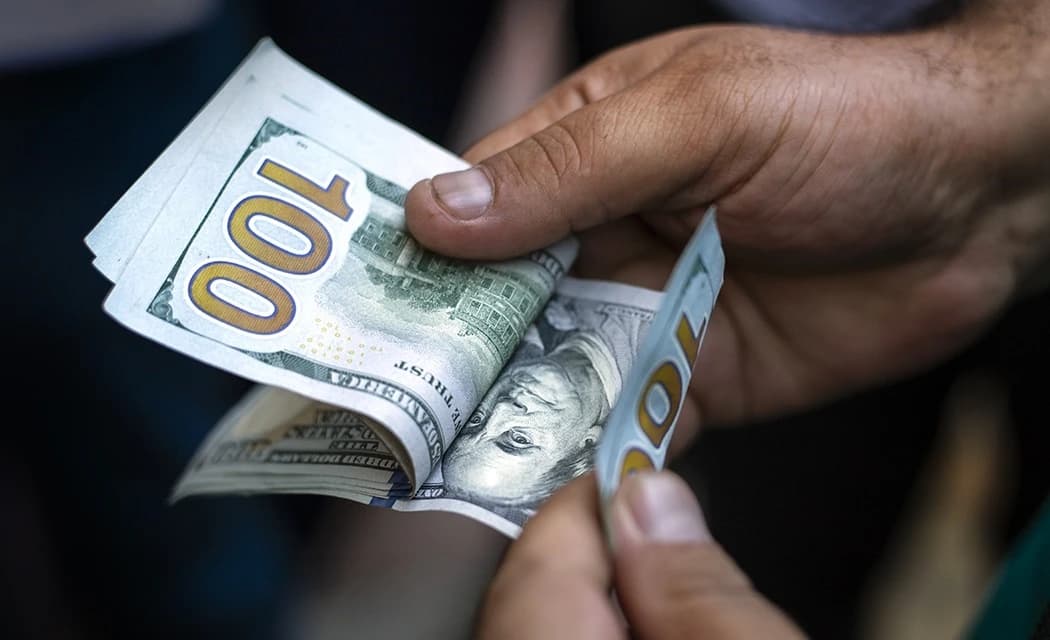
The Egyptian pound is ending the week in a narrow band against the dollar, euro and sterling, a sign that the Central Bank’s foreign-currency support is still doing the heavy lifting in a market that remains highly sensitive to dollar demand and offshore inflows.
The dollar was quoted at 52.08 pounds for buying and 52.18 for selling, while the euro stood at 59.73/59.85 and sterling at 69.52/69.66, according to the latest banking data. The move was modest across the board, but that is precisely the point: for Egypt, stability itself is the market event. After repeated bouts of volatility in recent years, every quiet session suggests official liquidity is meeting demand and preventing another disorderly repricing.

That matters economically because the pound remains a key transmission mechanism for inflation, import costs and balance-sheet stress. A steadier exchange rate helps cap the pass-through from a still-firm dollar into food, fuel and industrial inputs, giving policymakers more room to manage domestic prices and preserving confidence in the banking system. It also helps reduce the pressure on companies with foreign-currency liabilities and on importers that rely on predictable access to hard currency.
For investors, the message is that FX stability is becoming a tradable macro theme rather than a one-day headline. The dollar is still dominant globally, but in Egypt the near-term question is whether the central bank can keep supply flowing without reigniting reserve concerns or encouraging delayed demand. The latest quote levels suggest the market is not yet testing that line. At the same time, technical readings on dollar-tracking assets such as FXE and FXB show both euro and pound proxy ETFs trading near their 50-day and 200-day moving averages, underscoring a broader currency market that is still range-bound rather than trending decisively.

The larger narrative is one of managed calm. Central bank intervention is buying time, while global dollar strength and uneven foreign-currency inflows continue to set the ceiling on how much the pound can recover. For now, the best-positioned investors are those leaning into the beneficiaries of a stable FX backdrop — banks, import-dependent businesses and consumer names with tight working-capital needs — while staying cautious on sectors that would be squeezed by a renewed dollar leg higher.
| Entity | Gains | Losses |
|---|---|---|
| Egyptian banks | ▲calmer FX flows | ▼higher hedge demand |
| Importers | ▲lower payment volatility | ▼weaker pricing power |
| Central bank | ▲policy credibility | ▼reserve pressure |
| Dollar holders | ▲stronger hard-currency status | ▼pound bulls |