Electronic shelf labels raise retail pricing concerns
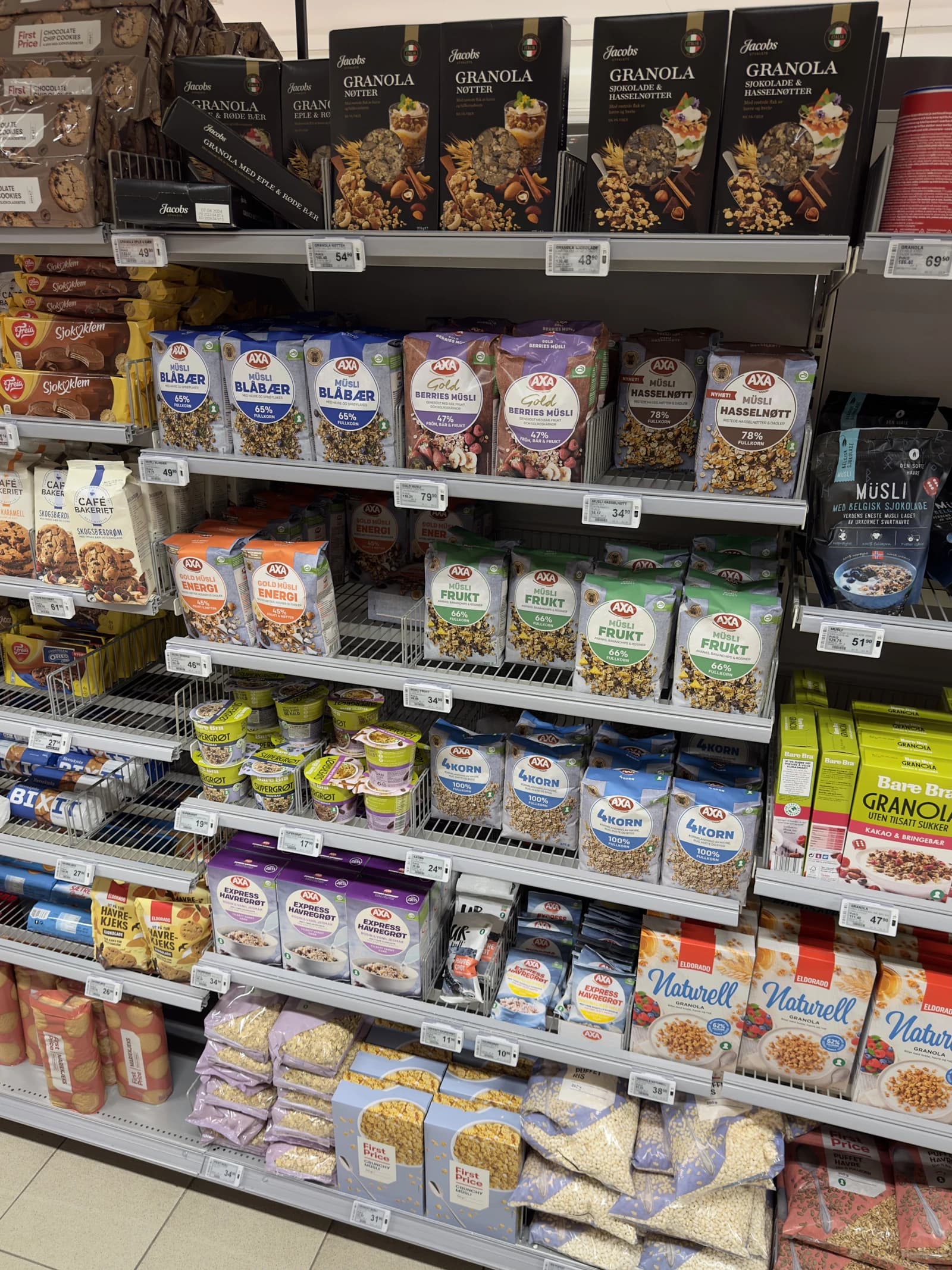
Electronic shelf labels may look like a simple grocery-store upgrade, but a new labor-backed report says the technology could become a costly one for shoppers and workers if it spreads across the U.S. retail industry.
The AFL-CIO Tech Institute said universal adoption of the digital price tags could eliminate between 44,223 and 191,633 jobs and cut annual wages by as much as $6.9 billion, while also making it easier for retailers to push through rapid, algorithm-driven price changes. That matters because groceries are one of the biggest and most visible costs for American households, and food prices have climbed 33% over the past seven years, outpacing both inflation and wage gains.
For investors, the story is bigger than a labor dispute. It goes to the heart of how retailers use automation to protect margins, how much pricing power they can exercise in a low-trust consumer environment, and whether lawmakers are about to draw a firmer line around “surveillance pricing.” The report argues that electronic shelf labels create the infrastructure for faster price changes at scale, linking store shelves to the same kind of software online retailers use to adjust prices in real time.
That is why the policy fight is heating up. Maryland has already banned surveillance pricing, while Connecticut and New Jersey have each enacted bans this year. The AFL-CIO-backed brief is now pushing for a broader prohibition on electronic shelf labels, arguing they would hit workers first through fewer hours changing shelf tags and then hit consumers through less predictable prices.
The economic logic is easy to see. Retailers like Walmart, Costco and Kroger have spent years investing in technology to lower operating costs, improve inventory management and sharpen pricing. Electronic shelf labels fit that playbook neatly: they reduce the need for manual label changes and make markdowns and price hikes instantaneous. But when a technology cuts labor while also enabling more dynamic pricing, the gains do not all stay with shoppers.
Walmart and Costco have both spent heavily to keep grocery traffic strong and margins resilient, and their latest technical trading patterns reflect investor interest in those defensive, cash-generating business models. But the report is a reminder that the same tools that help retailers operate more efficiently can also invite political and regulatory backlash if consumers believe they are being charged more because a screen can change faster than a paper tag.
That backlash is already visible. A May poll from the United Food and Commercial Workers union found 67% of Americans support banning digital price tags and surveillance pricing, with only 26% opposed. Instacart’s decision in December to end a pilot that allowed different online prices for the same products also shows how quickly pricing technology can become a reputational issue, not just an efficiency story.
For long-term investors, the key question is not whether grocery retail will keep automating — it will — but whether the profits from that automation come with enough trust to last. Companies that can use technology to lower costs without triggering a consumer or regulatory revolt are likely to win over time. Those that overreach may face tighter rules, weaker goodwill and a more limited ability to monetize pricing software.
In other words, electronic shelf labels are less about plastic tags than about the future of retail pricing. Investors should watch the policy response closely, because in grocery retail the balance between efficiency and public tolerance can determine who keeps the savings and who pays for them.
| Entity | Gains | Losses |
|---|---|---|
| Retailers | ▲Lower labor costs | ▼Public trust if pricing feels unfair |
| Workers | ▲Fewer manual tasks only if retained | ▼Hours, wages, shelf-label jobs |
| Consumers | ▲Faster markdowns in some cases | ▼Higher, less predictable grocery prices |
| Regulators/Unions | ▲More leverage for oversight | ▼None from wider adoption |