Eli Lilly and Novo Nordisk agree to lower U.S. drug prices
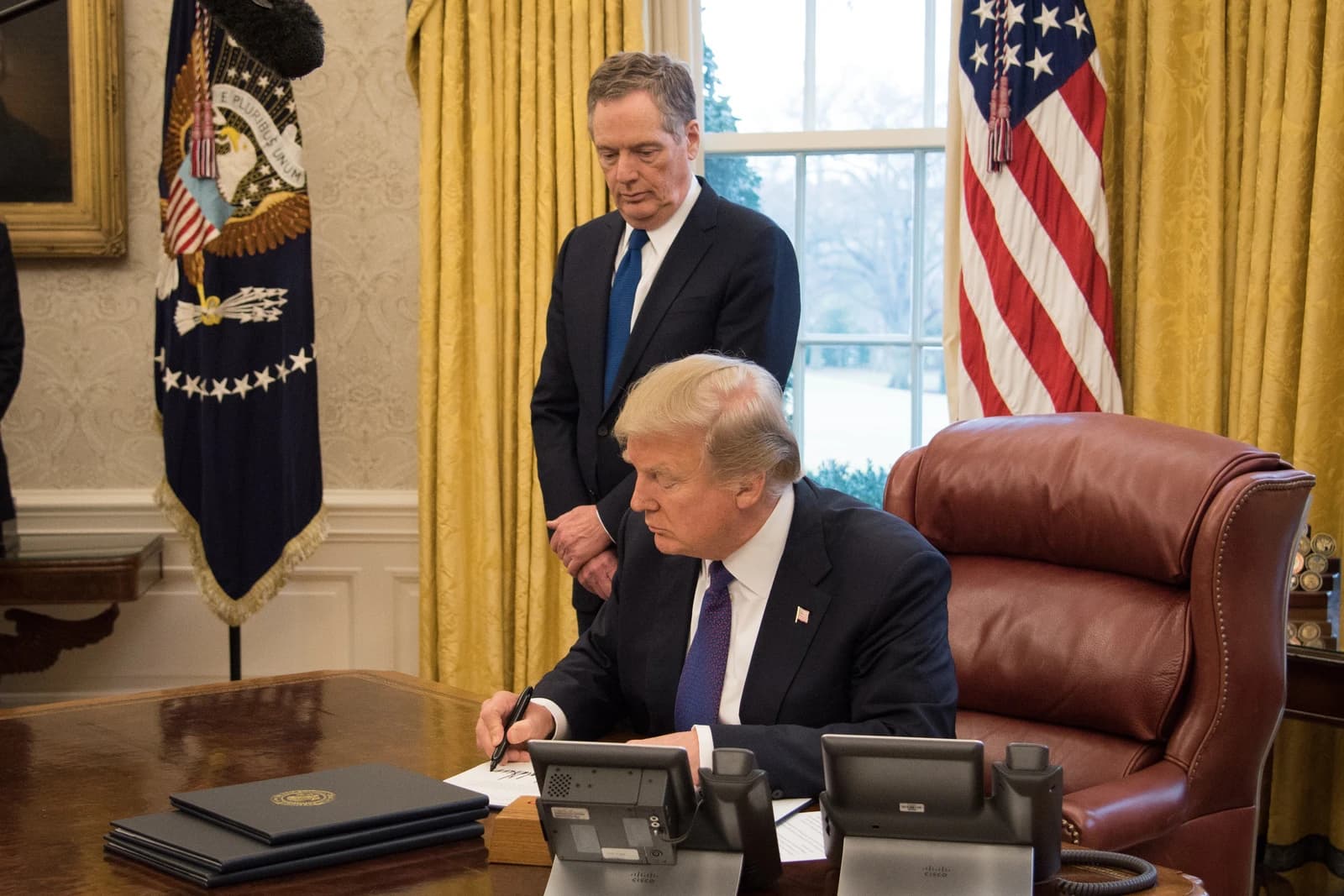
President Donald Trump’s most-favored-nation drug pricing push lands its biggest win yet, with Eli Lilly and Novo Nordisk agreeing to slash U.S. prices on blockbuster obesity and diabetes medicines and expand domestic manufacturing in a move that could reshape how Washington pays for prescription drugs.
The agreements matter economically because they target the two most expensive drugs by annual spending in the U.S. and could lower costs for Medicare, Medicaid and private buyers while trimming a major source of healthcare inflation. Under the deal, Ozempic and Wegovy fall to $350 a month through TrumpRx from $1,000 and $1,350, while Zepbound and Novo’s oral GLP-1 candidate are set at an average $346 from $1,086.
For investors, the issue is not just lower list prices but the broader template Trump is building for future drug negotiations. The White House said Medicare pricing for Ozempic, Wegovy, Mounjaro and Zepbound will be set at $245, with a $50 monthly co-pay for beneficiaries, and that state Medicaid programs will get access at those price points for the first time.
That raises the stakes for the entire pharmaceutical sector, especially makers of high-demand specialty medicines that have relied on U.S. pricing power to offset discounts abroad. The administration says the companies will also extend MFN pricing to future drugs and repatriate more revenue from overseas sales, signaling a longer-running squeeze on margins if the policy spreads beyond Lilly and Novo.
The deal also carries industrial policy implications. Novo Nordisk said it will add $10 billion in U.S. investment, including domestic production of a Wegovy tablet, while Eli Lilly said it plans at least $27 billion in new U.S. manufacturing investment, underscoring how price concessions are being paired with onshore capacity commitments.
The market backdrop suggests investors are watching the policy as part of a broader shift in Washington’s bargaining power. The S&P 500 has been resilient, with the SPY ETF recently near 770, but healthcare names remain exposed to political pricing pressure, and the drugmakers’ commitment to MFN terms could influence valuations across obesity, diabetes and insulin franchises.
Trump has now announced five drug agreements since Sept. 30, making this a multi-company campaign rather than a one-off headline. The next catalyst is whether the administration can translate these bilateral deals into a wider pricing framework without triggering a broader challenge to pharmaceutical profits or future R&D spending.
| Entity | Gains | Losses |
|---|---|---|
| Medicare and Medicaid | ▲Lower drug spending | ▼Less pricing flexibility |
| Eli Lilly and Novo Nordisk | ▲U.S. market access, manufacturing support | ▼Lower U.S. pricing, margin pressure |
| Patients with obesity/diabetes | ▲Cheaper access to GLP-1 drugs | ▼None immediate |
| Pharma peers | ▲Clearer policy roadmap | ▼Fear of spillover pricing pressure |