A restored 1923 power station in rural Estonia has been put up for sale for 2.5 million euros, and the bigger story is not the asking price — it is the way heritage property is being repositioned for the next wave of commercial use.
Ellamaa Power Station Listed for 2.5 Million Euros
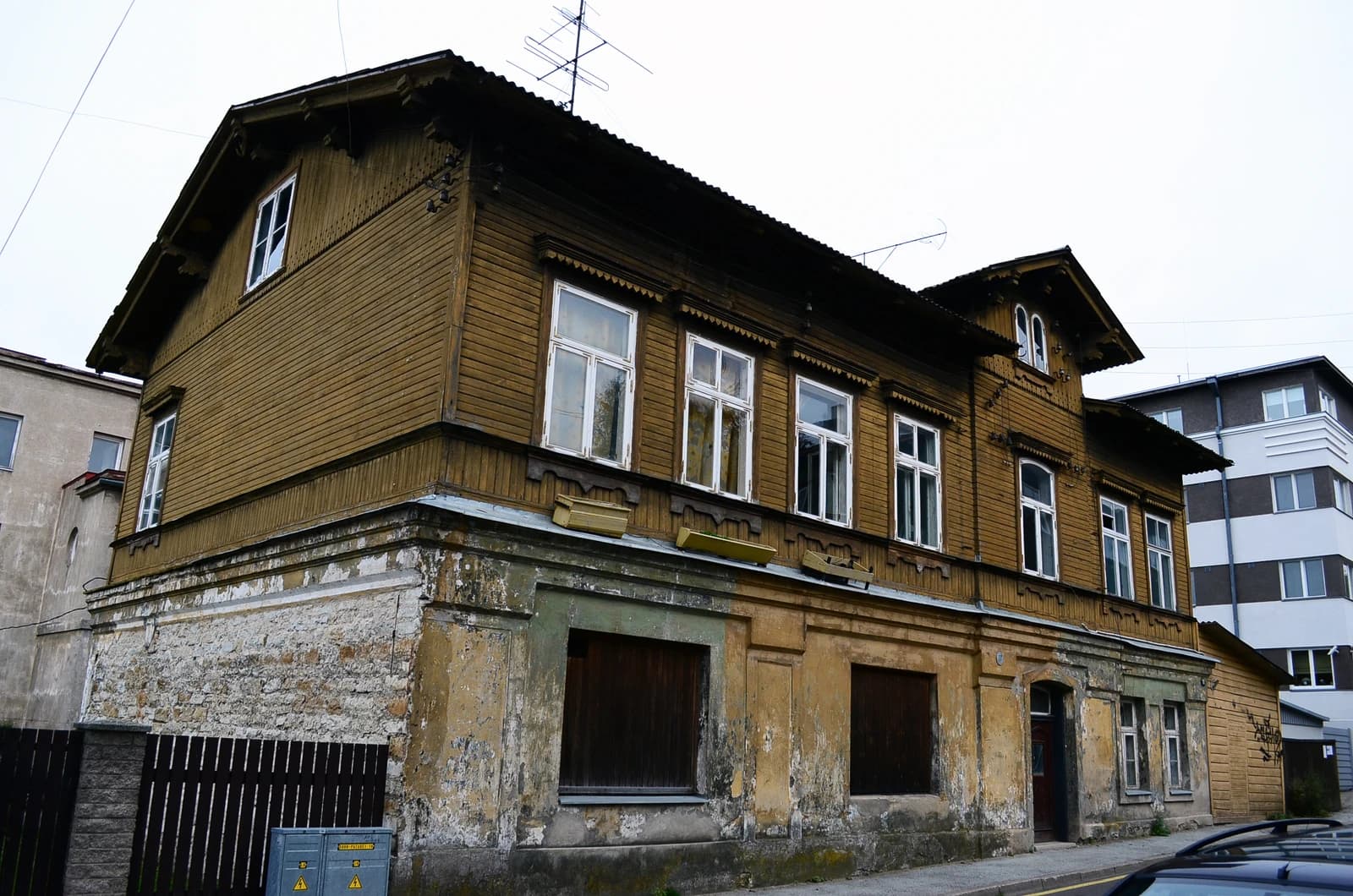
The Ellamaa power station complex in Turba, Harju County, once home to the world’s largest motorsport museum, is now being marketed as a flexible, fully renovated industrial landmark with room for offices, events, creative production and even housing. For investors, that makes the asset interesting well beyond its museum past: it is a rare combination of protected architecture, finished restoration work and multiple possible income streams.
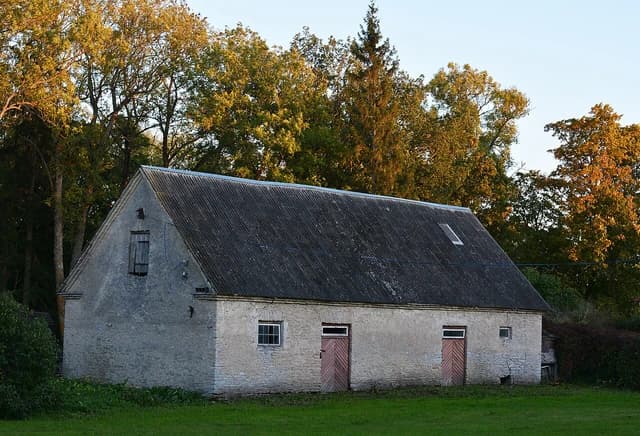
That matters because buildings like this are expensive to create from scratch and increasingly hard to replace. The former power station, designed by architect Alexander Vladovsky, was Estonia’s first major plant to support long-distance transmission lines and remains protected as a cultural monument. Its sale underscores a broader real-estate theme that tends to reward patient capital: assets with strong historical character can still generate economic value if they are adapted to current demand rather than preserved as static exhibits.
The property was extensively restored for the MOMU motorsport museum, which operated there from 2017 to 2025. Original floors, facades and skylights were preserved, while heating, ventilation, fire safety and accessibility systems were modernized. That lowers the upfront risk for a buyer compared with an unrestored heritage shell, while the site’s layout — large halls, high ceilings, outbuildings and a landscaped park — gives it more optionality than a standard commercial property.
That optionality is the investment case. The site could be used for film production, technology or robotics work, concerts, events, offices or apartments in parts of the complex that were not renovated for museum use. In other words, the buyer is not just acquiring a building; they are buying a redevelopment platform in a category where scarcity itself can be a moat.
There are still risks, of course. Heritage restrictions can limit redevelopment, rural demand can be thinner than in major cities, and a specialized site like this may take time to monetize fully. But for investors who think in years rather than months, that is often where the opportunity lies: in assets the market overlooks because they do not fit neatly into one box.
The Ellamaa sale is worth watching because it highlights how industrial heritage can become investable again when restoration, location and adaptability line up. For long-term buyers, that is the kind of real estate story that can compound value far better than a plain-vanilla warehouse or apartment block — especially if the next owner treats the building as a platform, not just a landmark.
| Entity | Gains | Losses |
|---|---|---|
| Seller/owner | ▲Cash from sale | ▼Ongoing upkeep burden |
| Heritage buyer | ▲Unique restored asset | ▼Heritage-use constraints |
| Local economy | ▲New investment potential | ▼Uncertain transition period |
| Former museum operator | ▲End of operating losses | ▼Loss of exhibition venue |