Emerging Asian currencies rise as dollar eases
A softer US dollar is giving emerging Asian currencies a welcome break, and that matters because it eases pressure on regional central banks, supports capital flows and can improve the outlook for local stocks and bonds.
The backdrop is a pullback in the greenback after weaker US economic data cooled expectations for further Federal Reserve tightening. When the dollar loses altitude, the first beneficiaries are often currencies and assets that had been under strain from higher US rates and a stronger dollar cycle. For investors, that can be a meaningful shift: it reduces the risk of imported inflation, lowers the burden of dollar-denominated debt and can make Asian assets look more attractive on a relative basis.
The move is showing up in exchange-traded proxies as well. The CurrencyShares Japanese Yen Trust, which tracks the yen, has climbed to $57.58 after trading as low as $56.74 in July, with momentum improving as the 50-day moving average rises and the RSI sits near 68. That does not yet scream overextension, but it does show that markets are starting to price a less aggressive dollar narrative. A broader emerging-market currency basket has also firmed to 10.45, just above its 50-day moving average and well above its March lows, suggesting the relief bid is not limited to one country.
The biggest economic implication is that Asia’s emerging markets get a little more room to breathe. A weaker dollar can reduce the pressure on countries such as India and Indonesia, where currencies have been vulnerable to capital outflows and higher imported costs. It also tends to help the region’s exporters and local equity markets, especially when foreign investors feel less urgency to park cash in dollar assets. In other words, the move does not just change FX screens — it can influence financing conditions, inflation expectations and the cost of doing business across the region.
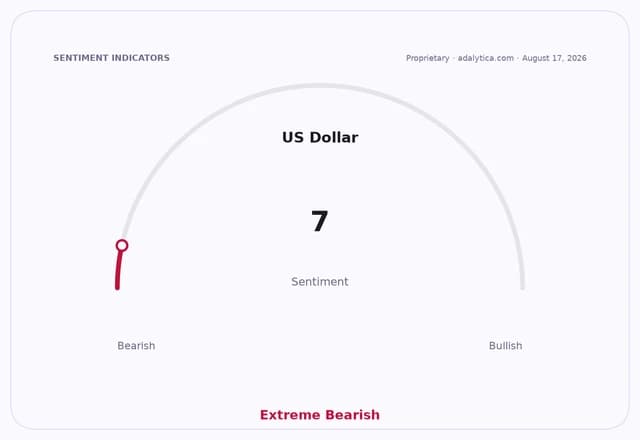
Still, investors should not mistake a softer dollar for a straight line higher in Asian currencies. Rising crude prices remain a risk for importers, and the dollar’s path will continue to depend on US growth and Federal Reserve messaging. But the shift in tone is important: after months of dollar strength dominating the story, markets are again willing to look for opportunities in emerging Asia.
For long-term investors, that means keeping emerging-market currency exposure, Asian equities and dollar-sensitive assets on the watchlist. If the dollar continues to cool, the next leg of the trade could be less about short-term speculation and more about a durable re-rating of regional markets.
| Entity | Gains | Losses |
|---|---|---|
| Emerging Asian currencies | ▲Easier funding conditions | ▼Less support from dollar strength trade |
| Regional equity markets | ▲Foreign inflows | ▼Dollar-led valuation pressure |
| Dollar borrowers in Asia | ▲Lower debt burden | ▼Fewer safe-haven gains |
| US dollar bulls | ▲— | ▼Weaker momentum and confidence |