EMB, VWOB, PCY Rise on Weak Dollar Trade
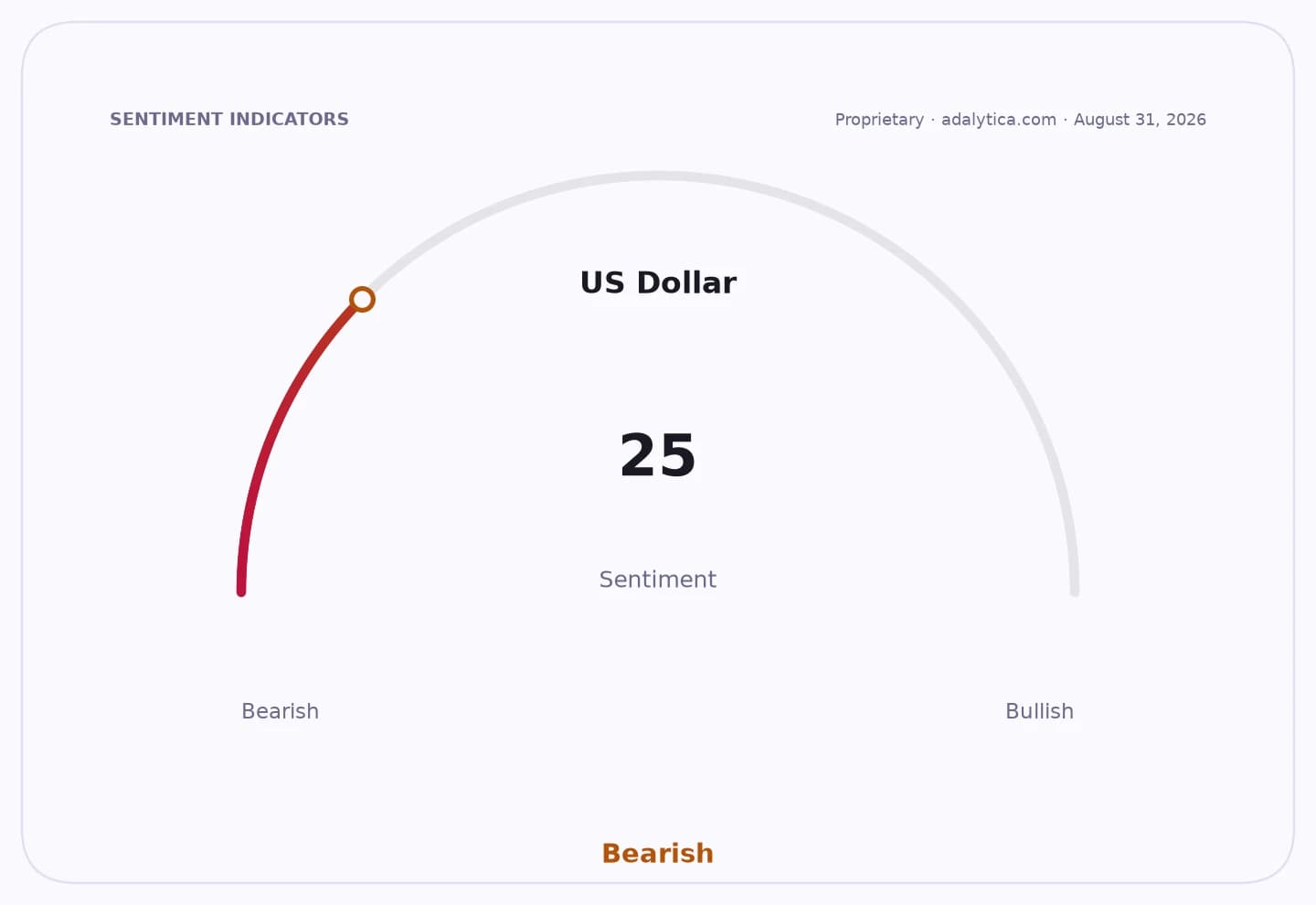
Emerging market bonds are drawing fresh money as investors look past the latest swings in U.S. rates and lean harder into the dollar debasement trade, a shift that is lifting hard-currency debt even as Treasury volatility keeps broader markets uneasy.
That matters because the trade is not just a tactical bid for yield. It reflects a deeper reassessment of where real returns can be earned if the dollar weakens over time, U.S. fiscal deficits stay heavy and the market keeps pricing a less stable backdrop for the greenback. In that environment, emerging market debt becomes more than a carry play: it becomes a relative value bet on currencies, sovereign balance sheets and a global search for income.
The market action backs that up. The iShares JPMorgan USD Emerging Markets Bond ETF, EMB, has held near $95, with its 50-day moving average just under the latest close and its 200-day average around $94, showing a steady uptrend rather than a one-off spike. Vanguard’s emerging market bond ETF, VWOB, has also stayed firm around $66, while the VanEck JP Morgan EM Local Currency Bond ETF, PCY, has continued to grind higher above both its 50-day and 200-day moving averages. That resilience has come even as the U.S. 10-year Treasury yield sits around 4.63%-4.67%, a level that would normally put pressure on duration assets and risk flows.
The bigger message is that investors are no longer treating the dollar as an untouchable reserve asset. Adalytica’s US Dollar Trade Signals show sentiment in “Fear” even as awareness remains elevated, while Chinese yuan trade signals sit in “Extreme Fear,” a combination that helps explain why flows are hunting for alternative stores of value and income. If the dollar remains under pressure, EM sovereign and quasi-sovereign debt can benefit from both tighter spreads and currency tailwinds, especially in countries where policy credibility is improving and external financing needs are manageable.
That is why this move matters for investors well beyond fixed income. A softer dollar can be a powerful multiplier for emerging market assets, supporting not only bonds but also equities tied to domestic demand, commodities and exporters with pricing power outside the U.S. It also helps explain why spread products have looked relatively calm: the ICE BofA High Yield spread is around 2.63 percentage points, below earlier stress levels, suggesting credit markets are not yet pricing a broad default scare.
The opportunity set is broadening. EMB offers direct exposure to the hard-currency trade, VWOB gives investors a cleaner read on sovereign appetite, and PCY captures the local-currency angle that could outperform if the dollar downtrend persists. For investors, the key is to recognize that this is no longer just a yield pickup story. It is a macro positioning trade built on the possibility that the dollar’s long cycle of strength is giving way.
If that thesis holds, the next leg higher in emerging market bonds could come from further Treasury volatility, not in spite of it, as global capital continues to search for real income outside the U.S. The window to buy that shift is still early.
| Entity | Gains | Losses |
|---|---|---|
| EM bond funds (EMB, VWOB, PCY) | ▲Inflows and price support | ▼None if dollar weakens |
| Emerging market issuers | ▲Easier refinancing, lower spreads | ▼Higher dollar reverses relief |
| U.S. dollar | ▲None | ▼Debasement trade pressure |
| U.S. Treasury market | ▲Relative demand thins | ▼Higher-rate volatility |