Energy-efficient AC demand lifts AOS, WHR, TT focus
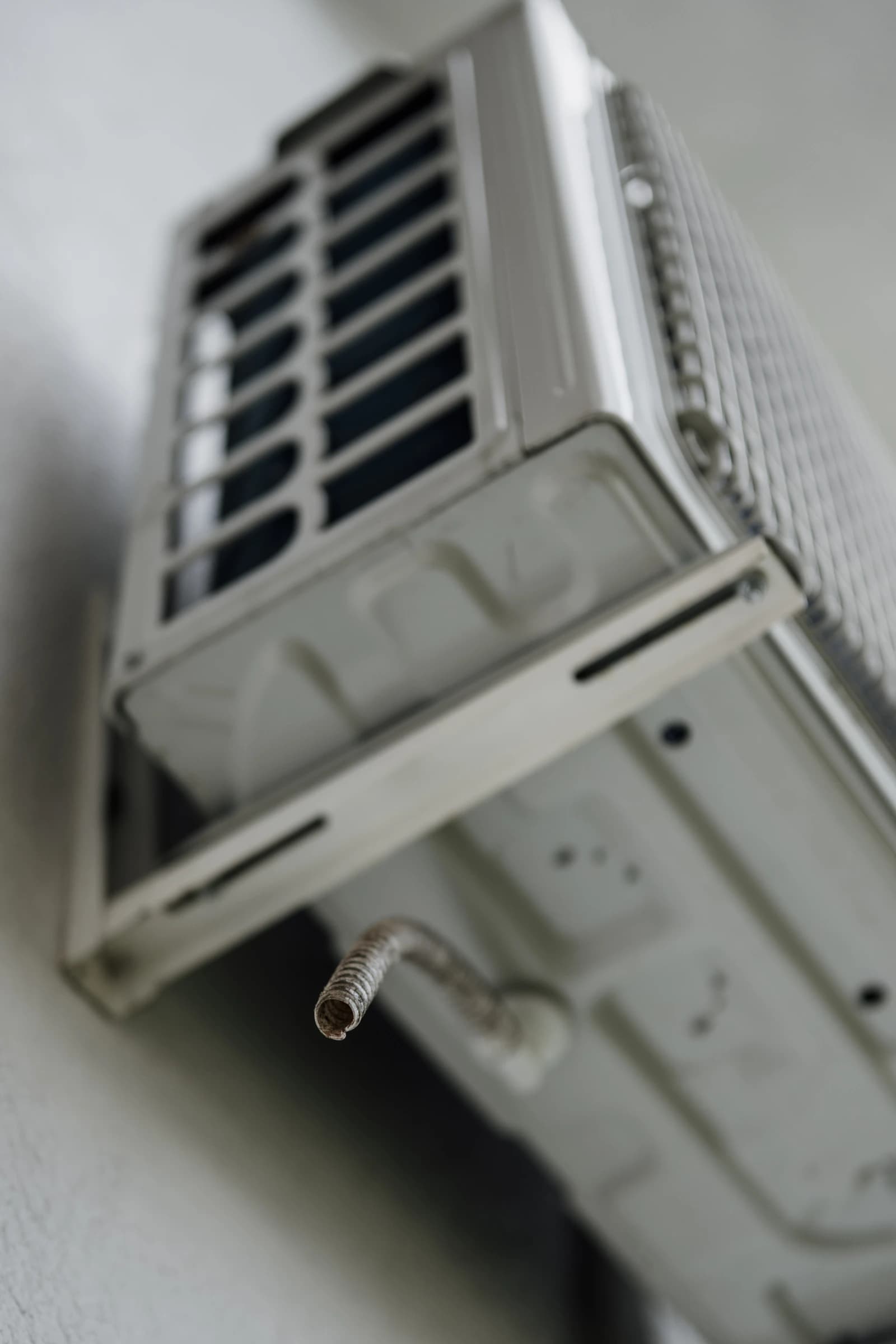
Consumers looking to cut electricity bills are driving interest in energy-saving air-conditioning gadgets and settings, a shift that could favor manufacturers tied to efficient cooling while pressuring less efficient legacy systems.
The theme matters because cooling demand is rising in hot-weather markets such as Indonesia, where households are being pushed toward inverter units, dry mode usage and other electricity-saving tweaks. That shifts spending toward products that promise lower operating costs rather than just a lower sticker price, a change with implications for appliance makers, HVAC suppliers and power utilities.
For investors, the biggest read-through is to A. O. Smith, Whirlpool and Trane Technologies, whose shares have all been active as the market weighs demand for efficient home and building equipment. AOS closed at $62.17 on Aug. 14, well below its 200-day moving average of $64.93 but above its 50-day average of $60.06, while RSI at 55.2 suggests neither stretched momentum nor deep oversold conditions.
Whirlpool has been far more volatile. WHR finished at $41.37, down sharply from peaks above $90 earlier this year and still far below its 200-day average near $59.41, even as its RSI at 61.2 points to a rebound from deeply depressed levels in March. Trane, by contrast, remains comparatively resilient at $480.20, above both its 50-day moving average of $473.66 and its 200-day of $441.08, with the stock still trading near the upper end of its recent band.
The market backdrop is mixed. The S&P 500 trade signals tracked by Adalytica show neutral sentiment on SPY at 42, while the U.S. dollar gauge shows extreme fear sentiment at 15, a combination that can support multinationals and imported appliance pricing while leaving rate-sensitive consumer demand uneven.
The broader narrative is that higher temperatures and higher electricity costs are pushing consumers to buy efficiency, not just cooling capacity. That could help premium inverter systems, smart controls and retrofit-friendly HVAC products, while forcing makers of standard units to defend share on price as buyers increasingly shop for lower monthly power bills.
Investors will be watching whether that demand translates into stronger replacement cycles, better pricing and margin support in upcoming company updates, especially as summer heat persists and consumers keep hunting for ways to keep AC running without driving bills higher.
| Entity | Gains | Losses |
|---|---|---|
| Inverter AC makers | ▲Higher demand | ▼Legacy fixed-speed units |
| AOS, WHR, TT | ▲Efficiency-focused sales | ▼Low-end price competition |
| Consumers | ▲Lower power bills | ▼Upfront gadget costs |
| Power utilities | ▲Lower peak strain | ▼Higher efficiency adoption |