US consumer prices rose less than expected in June, with the annual inflation rate slowing to 3.5% as falling petrol costs offset broader price pressures and gave the Federal Reserve a bit more room to hold off on fresh rate hikes.
Energy-led inflation relief lifts bonds
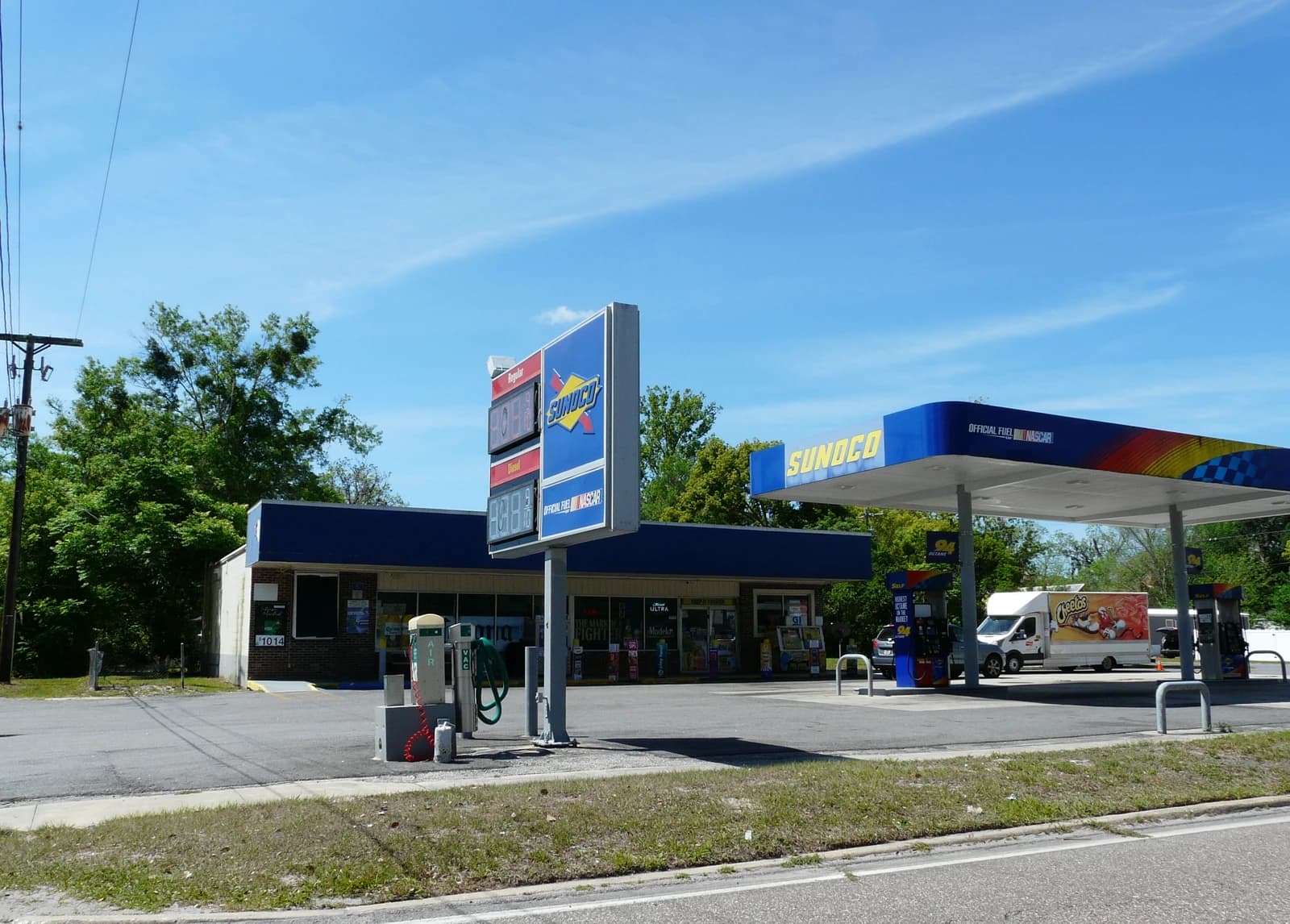
The surprise cooling matters because energy is still one of the fastest channels through which inflation bleeds into households, corporate margins and policy decisions. A drop in gasoline prices can quickly filter through transportation costs, consumer spending patterns and inflation expectations, even if core price pressures remain sticky.
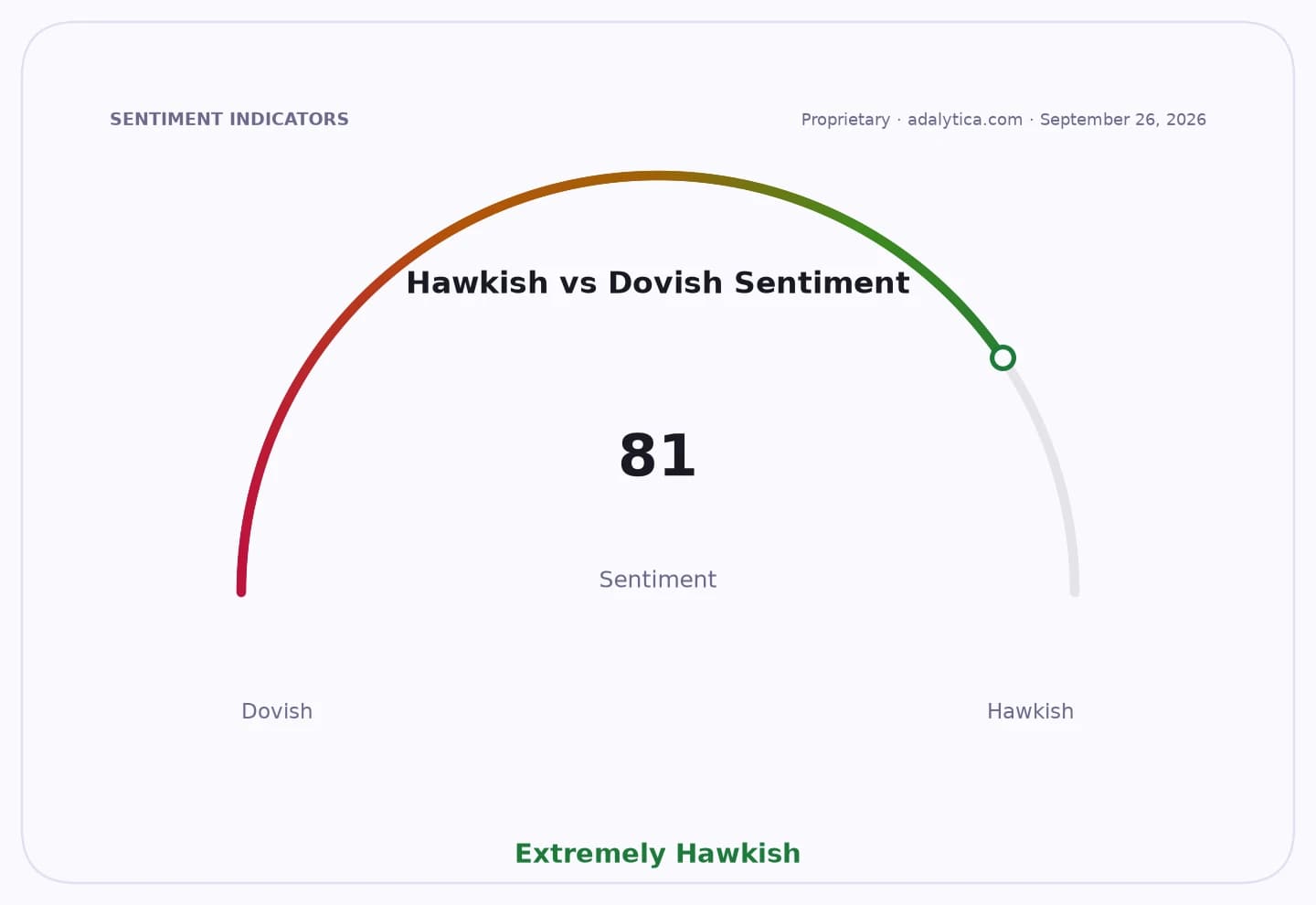
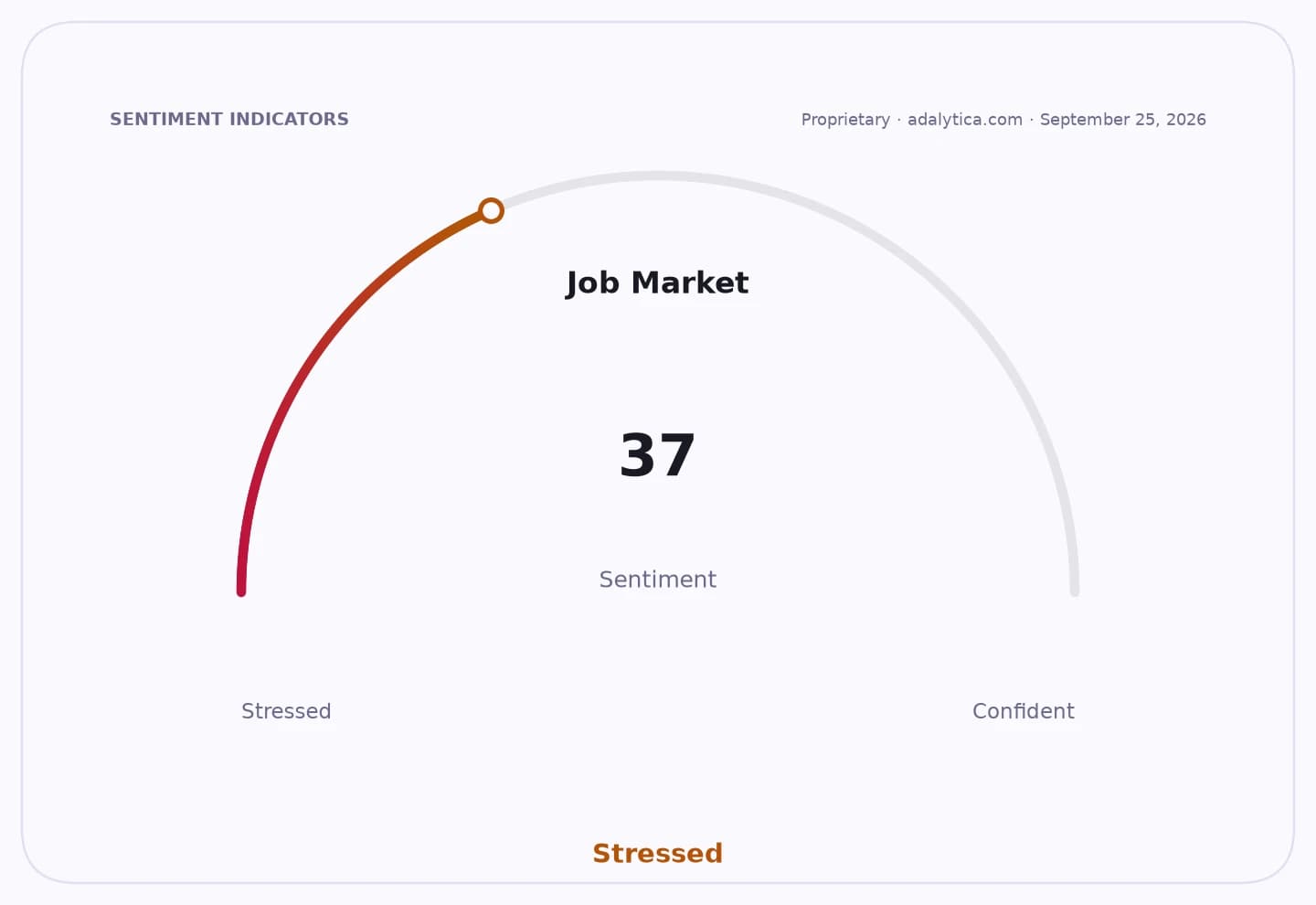
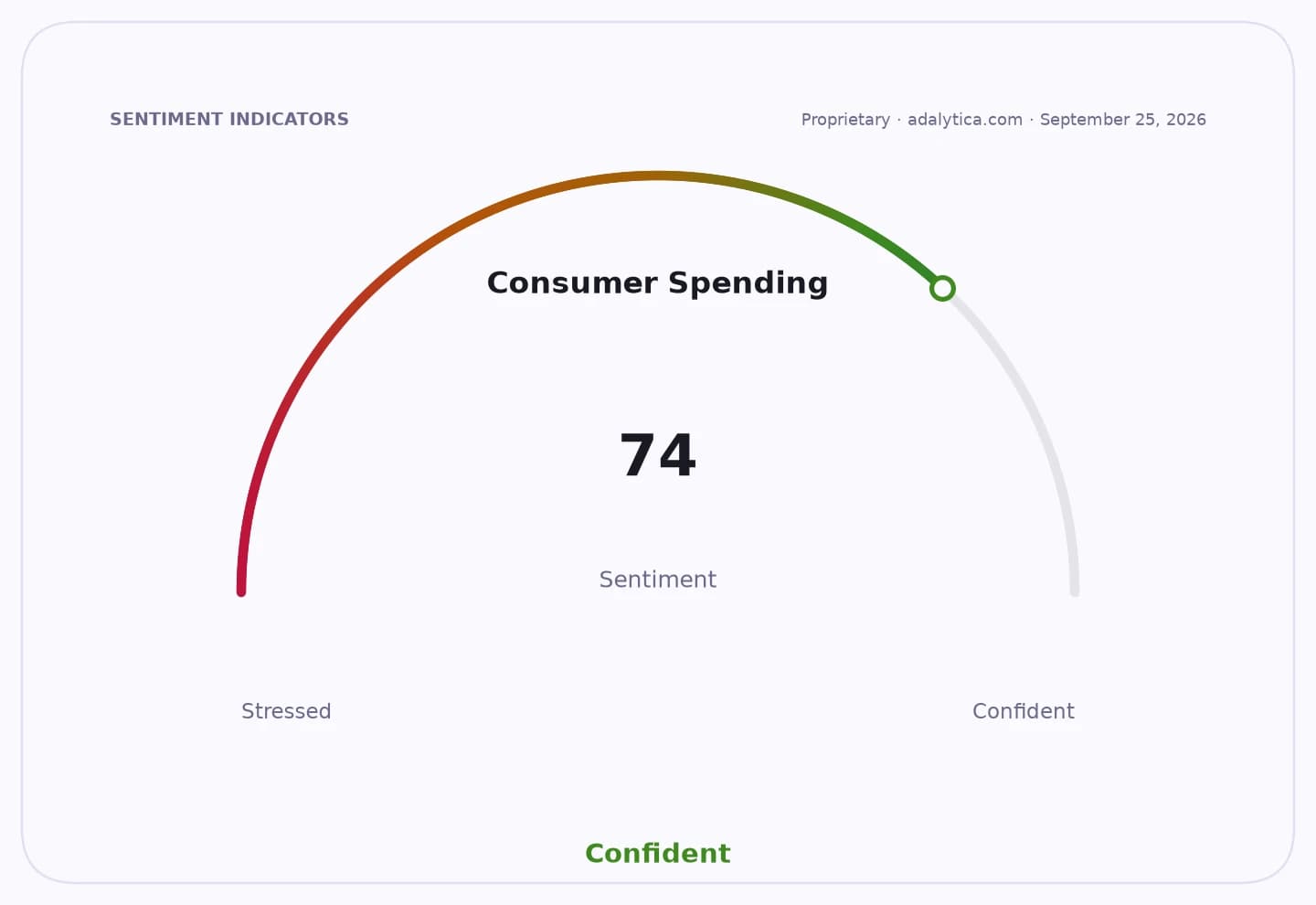
Sentiment IndicatorsⓘProprietary · adalytica.com · July 14, 2026
This is a snapshot — live sentiment, awareness and momentum for 130+ markets update continuously in the dashboard.Open AlphaPulse
West Texas Intermediate crude has eased to about $69.60 a barrel after touching $109.76 earlier in the period, reinforcing the view that the latest inflation relief is being driven by energy rather than a broad disinflationary trend. That leaves the economic picture fragile: if oil stays subdued, headline CPI can keep drifting lower, but any renewed Middle East disruption could reverse the move quickly.
Markets are already leaning into that tug-of-war. Long-dated Treasurys, tracked by the TLT ETF, are holding near $84.15 after an intraday move above $84.40, while the dollar has steadied with UUP at 28.38, suggesting investors are balancing slower inflation against the risk that the Fed stays restrictive for longer. Gold has also remained elevated, with GLD at $372.27, reflecting demand for hedges even as price pressures ease.
CPIAUCSL vs DCOILWTICO — macro contextadalytica.com
Explore this data interactively — full history, time series and cross-market comparisons.Open AlphaPulse
For investors, the reading strengthens the case for rate-cut bets later in the year, but it does not remove the main risk: inflation could re-accelerate if oil prices rebound or if supply shocks spread beyond fuel. The next test is whether the softer headline number starts to flow into core services and wages, or whether June proves to be just a brief energy-driven lull.
| Entity | Gains | Losses |
|---|---|---|
| Consumers | ▲Lower fuel bills | ▼Persistent core inflation |
| Fed doves | ▲More room to pause | ▼Less urgency for hikes |
| Long-duration bonds | ▲Softer inflation backdrop | ▼Oil-driven price rebound |
| Oil producers | ▲Higher prices if tensions rise | ▼Weak crude demand |