Energy Transfer, Exxon and Chevron Trade Above Trends
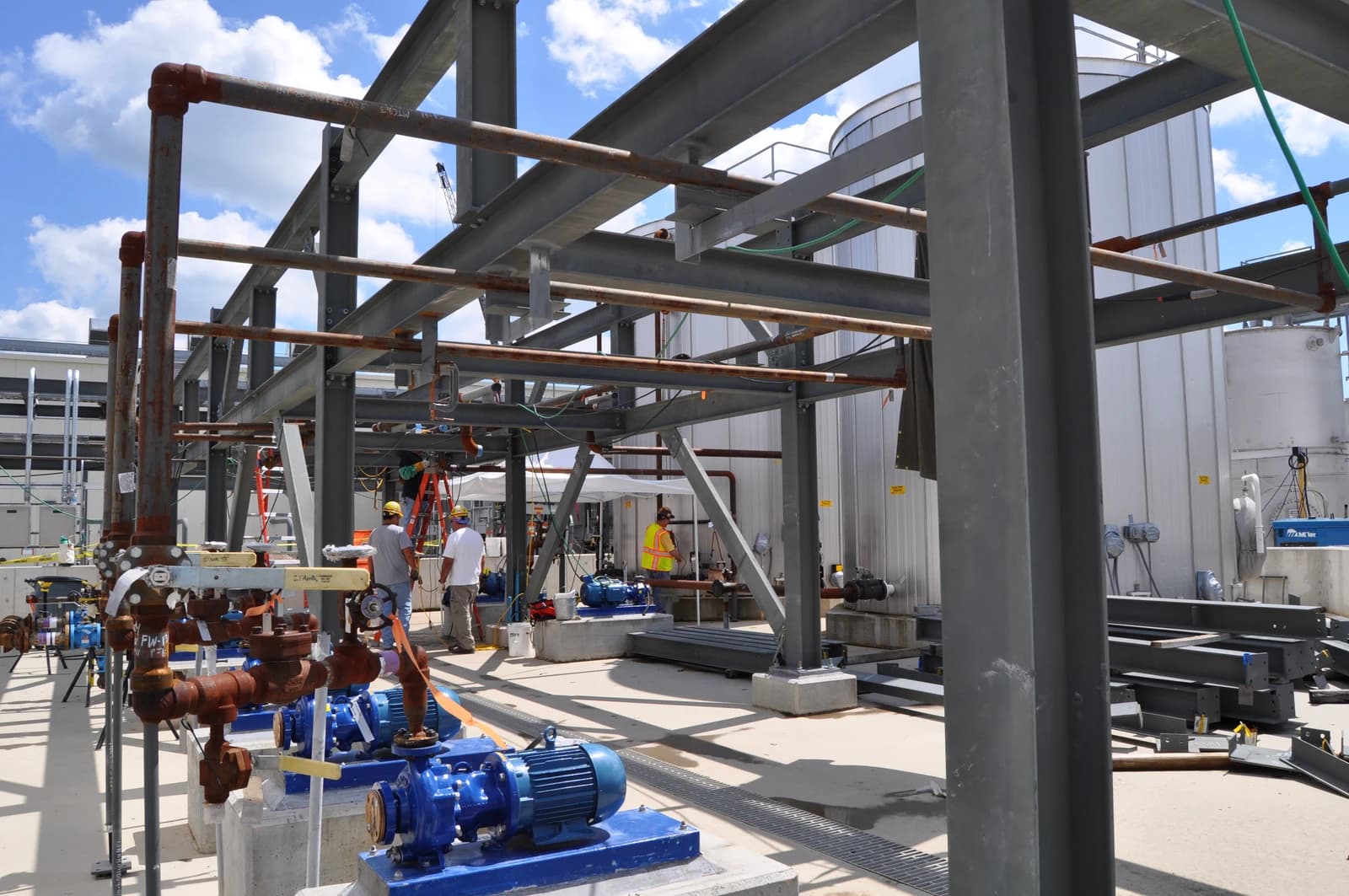
Energy Transfer, Exxon Mobil and Chevron are all trading well above their medium-term trend lines as investors continue to favor companies tied to the infrastructure, processing and recovery systems that sit between hydrocarbon production and final end use.
The move matters because multiphase flow and process modeling, the kind of engineering work behind energy resources recovery and utilization, increasingly determines how much value operators can extract from each barrel and molecule. That includes gathering, transportation, separation, refining and carbon-management systems, where efficiency gains can lift margins even when commodity prices are volatile.
Energy Transfer closed at $21.02, up sharply from $15.15 on Oct. 10, with trading volume recently running as high as 42.2 million shares. The units have stayed above their 50-day and 200-day moving averages, while RSI readings around 67.6 suggest the rally remains strong but stretched.
Exxon ended at $160.64 and Chevron at $199.89, both hovering near recent highs after powerful runs earlier in the quarter. Exxon’s 50-day average sits at $148.77 versus a 200-day average of $141.26, while Chevron’s 50-day and 200-day averages are $184.83 and $175.94, respectively, underscoring sustained institutional demand for integrated energy names.
The economics are straightforward: producers and midstream operators are still managing output, transport and processing through a tight balance of supply, maintenance and capital discipline. SEC filings from Exxon and Chevron point to exposure to crude, natural gas liquids and refining margins, while also highlighting the cost of compliance with climate-related rules and the need for carbon capture and storage investment.
For investors, that keeps a broad swath of the energy complex in play — from pipeline and storage assets like Energy Transfer’s to the upstream and downstream cash flows of Exxon and Chevron. It also reinforces the market’s preference for firms with scale, fee-based infrastructure or integrated operations that can absorb project costs and turn technical efficiency into free cash flow.
The next catalyst is likely to come from earnings, capex updates and any new spending tied to gas processing, refinery utilization, LNG, or carbon-capture projects, all of which will determine whether the rally in energy infrastructure and majors has room to run.
| Entity | Gains | Losses |
|---|---|---|
| Energy Transfer | ▲Midstream fee income | ▼Rate-sensitive short sellers |
| Exxon Mobil | ▲Upstream/downstream cash flow | ▼Higher project-cost bear case |
| Chevron | ▲Integrated margins and NGL output | ▼Refining margin skeptics |