EOG Resources is gaining traction as a natural gas shortage narrative deepens in Europe, reinforcing the investment case for U.S. upstream names with flexible supply and strong balance sheets.
EOG Benefits From Persistent European Gas Tightness
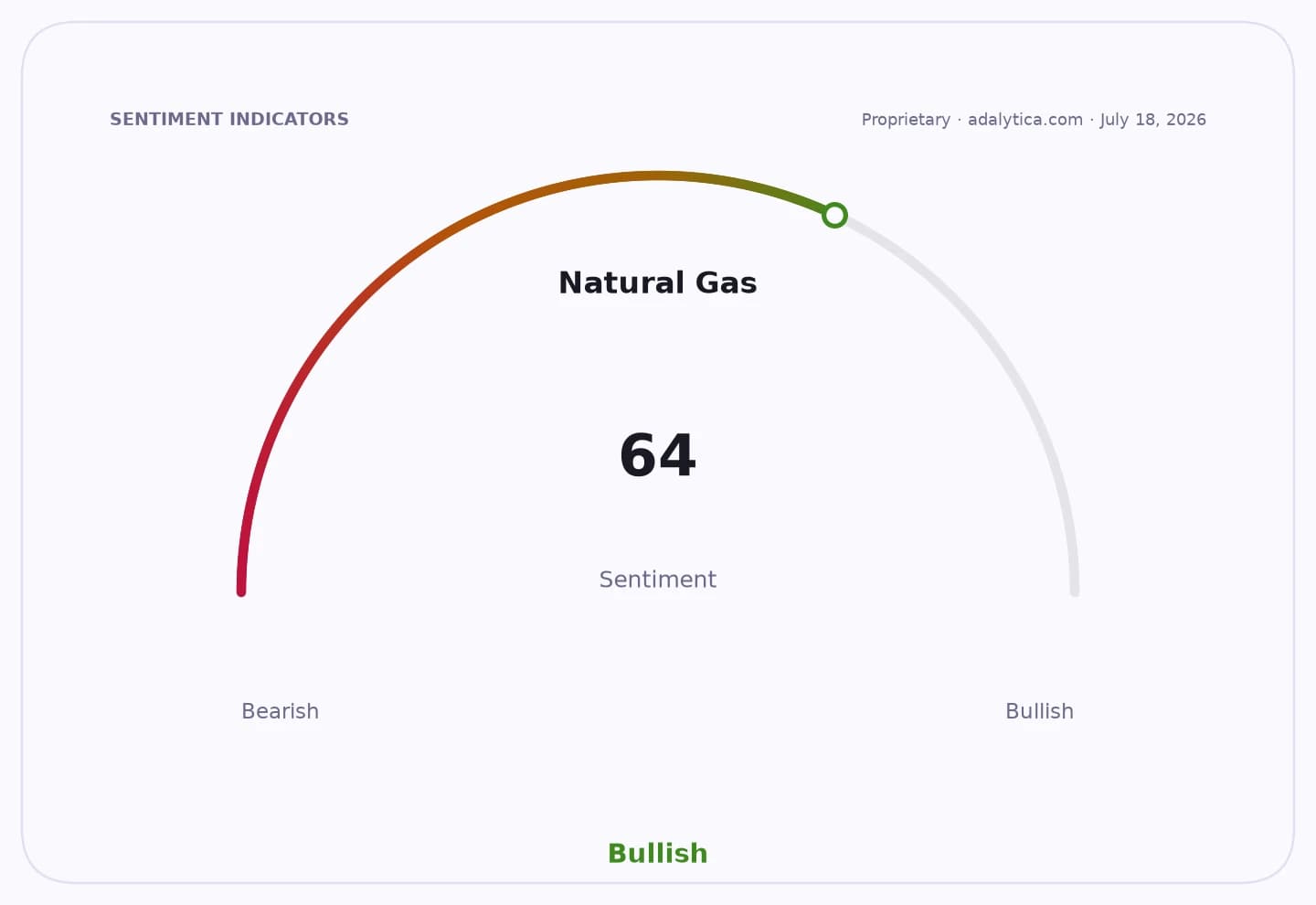
The immediate driver is not just higher gas prices, but the widening gap between demand security and available storage. Dutch gas inventories are still running at only 33% of capacity, well below seasonal comfort levels, while policy debates over domestic supply and export restrictions are keeping European markets on edge. For investors, that matters because it supports the pricing backdrop for producers that can bring volumes to market without the same infrastructure and geopolitical constraints facing Europe.
EOG is particularly well placed to benefit because it is not a pure gas play, but it does have meaningful exposure to U.S. natural gas and liquids, allowing it to capture upside from firmer gas realizations while retaining the more stable cash generation of an oil-weighted portfolio. The stock’s recent trading has reflected that resilience. EOG closed at $139.89 on Friday, near its 50-day moving average of $134.79 and above its 200-day average of $120.35, a sign the market still assigns it a premium to many domestic E&P peers. Momentum has also improved, with the 14-day RSI at 63.2 and MACD back positive, suggesting buyers have been willing to add exposure even after a strong run.
That strength comes against a broader backdrop of a structurally tighter gas market. EOG’s own filing last week said it uses swaps, options and basis contracts to manage price risk, underscoring that the company is positioned to monetise favourable commodity moves without taking full spot exposure. The gas backdrop is also consistent with the latest Adalytica trade-signal snapshot for natural gas, which showed neutral sentiment but fear-level awareness, a combination that often accompanies supply-led rallies rather than demand-driven euphoria. In other words, the market is still nervous rather than exuberant, which can leave room for further upside if inventories remain tight into the winter build season.
Natural Gas vs EOGadalytica.com
Explore this data interactively — full history, time series and cross-market comparisons.Open AlphaPulse
The bullish case for EOG is that constrained gas supply outside the U.S. helps keep a floor under domestic pricing while its scale, hedging discipline and capital allocation preserve margins. The bear case is that this is still a cyclical name exposed to commodity swings, and any relief in European storage, policy intervention or a milder winter could quickly deflate the scarcity premium. Exxon Mobil’s latest trading also points to the broader sector bid, with the integrated major’s shares rising to $147.36 and momentum turning positive, suggesting investors are rotating toward energy exposure more generally, not just toward EOG.
For now, the investment narrative is straightforward: if Europe stays short of gas, U.S. producers with flexible output and lower political risk look increasingly attractive. EOG does not need a full-blown gas crisis to work; it only needs a persistent one for the market to keep rewarding U.S. supply optionality.
| Entity | Gains | Losses |
|---|---|---|
| EOG | ▲Stronger gas realizations | ▼Commodity downside risk |
| U.S. gas producers | ▲Export and pricing support | ▼Policy-led supply curbs |
| European consumers | ▲None | ▼Higher energy costs |
| Short gas positions | ▲None | ▼Squeeze risk |