Ethereum Weakness Meets Speculative Crypto Rotation
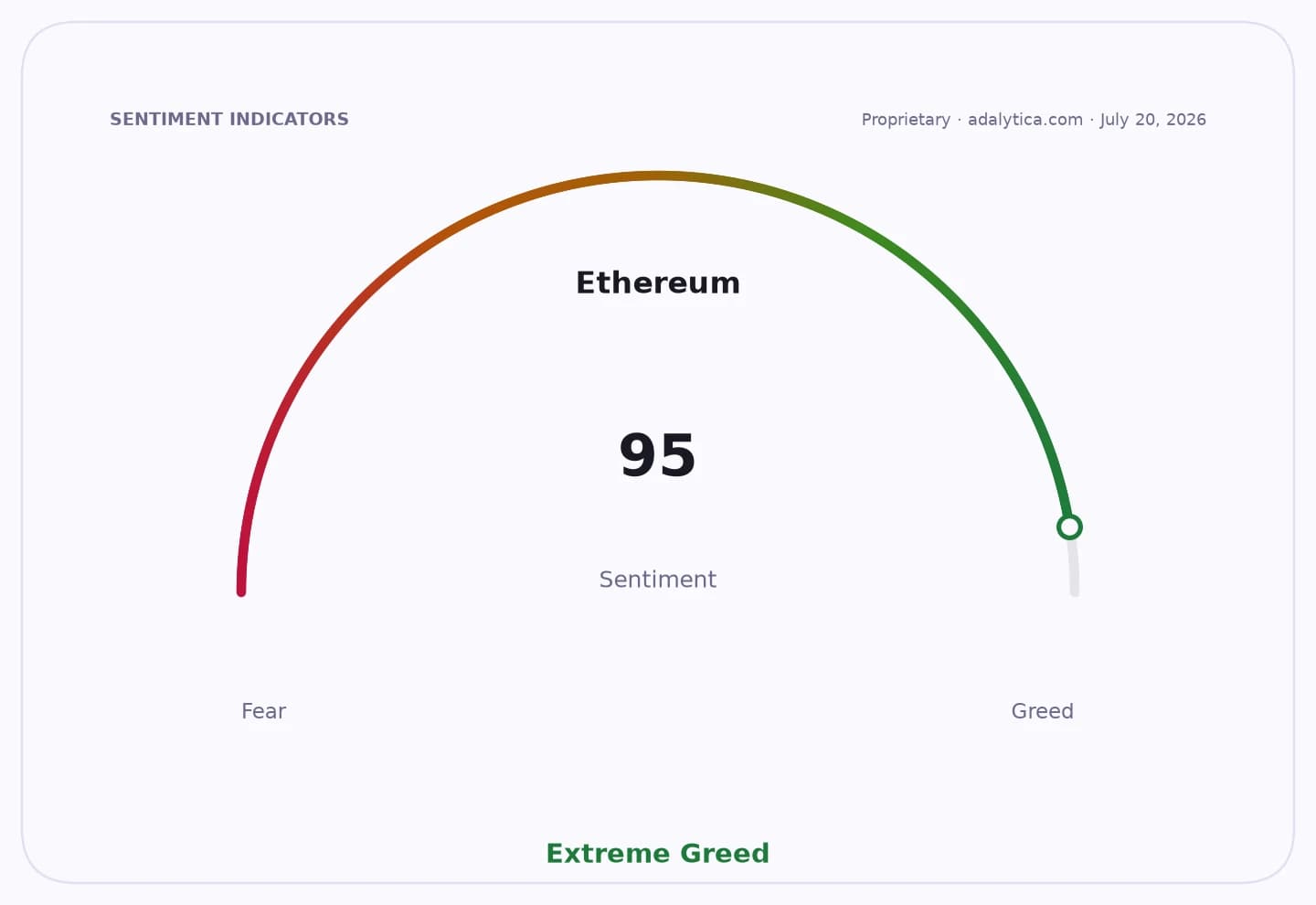
Ethereum’s latest downturn is forcing traders to reassess how much of the token’s summer strength was built on momentum rather than durable demand, even as speculative capital pours into Pepeto’s presale.
ETH has fallen far from its cycle high, with the token’s recent $1,901.51 close leaving it down sharply from the peak implied by the seed headline and still trading below its 50-day average of about $1,732.56 only after a volatile rebound from a February washout. The broader message for the market is that Ethereum remains highly sensitive to risk appetite: when liquidity is abundant, ETH can outrun Bitcoin; when it dries up, the drawdown is deeper and faster.
That matters economically because Ethereum sits at the centre of the crypto risk complex. It is not just a token but the base asset for large parts of the decentralized finance, stablecoin and on-chain trading ecosystem. A sustained loss of confidence in ETH tends to tighten conditions across the sector, raising funding costs for smaller projects and making fresh issuance more difficult. The contrast with Bitcoin is also telling: BTC has held up much better, trading around $65,219.05 in the latest data, leaving Ethereum to absorb more of the market’s speculative volatility.
The technical picture has turned cautious. Ethereum’s relative strength index at 61.7 on the latest reading is no longer stretched, but it has come off levels that previously signaled overheating, while MACD has remained positive, showing momentum is recovering rather than collapsing. Still, the token remains well below its February low-water marks and has spent much of the period fighting back from a severe selloff that pushed RSI into deeply oversold territory near 16.8 earlier in the year. That kind of rebound can attract trend followers, but it also leaves the market vulnerable if buyers fail to defend recent gains.
The trader psychology is being reinforced by the flood of capital into memecoin-style and presale bets such as Pepeto. Those flows do not necessarily compete directly with ETH, but they do compete for the same speculative dollars. When retail capital chases early-stage token sales, it can sap momentum from established large-cap names, particularly when investors are looking for higher beta and faster upside. That makes the current environment less about Ethereum’s technology story and more about portfolio rotation within crypto’s risk spectrum.
Bullish investors will point to institutional support and the possibility that ETH is forming a base above prior support, especially if staking demand and ETF-linked flows continue to improve. Bearish investors will counter that Ethereum’s repeated inability to sustain rallies above the 50-day average suggests the market is still treating it as a trading asset rather than a conviction long. If Bitcoin keeps its relative strength while speculative presales absorb fresh cash, Ethereum may struggle to reclaim leadership without a stronger catalyst.
For investors, the key question is whether this is a pause in a broader recovery or the start of another valuation reset. The next leg will likely depend on whether Ethereum can convert technical rebounds into sustained inflows, and whether risk appetite stays broad enough to support both blue-chip crypto and the latest speculative trade.
| Entity | Gains | Losses |
|---|---|---|
| Ethereum bulls | ▲rebound potential | ▼momentum fade risk |
| Pepeto presale buyers | ▲early upside access | ▼dilution and execution risk |
| Bitcoin holders | ▲relative strength | ▼less capital rotation in |
| ETH shorts/defensive traders | ▲volatility to trade | ▼squeeze risk on rallies |