EU budget talks focus on 2028-2034 spending plan
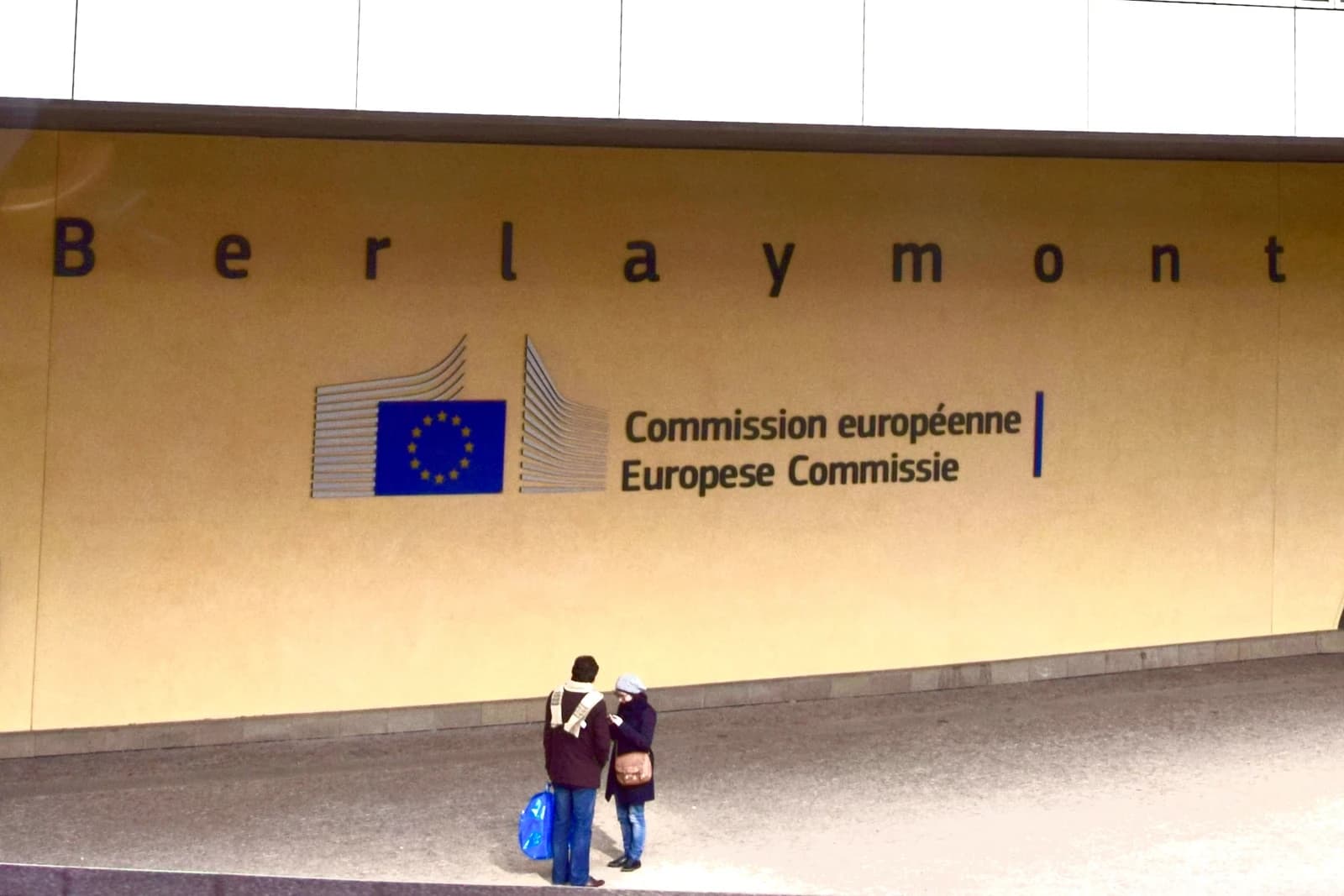
Five EU governments are pressing for a tighter long-term budget just as Brussels tries to lock in a nearly 2 trillion euro spending plan that will shape Europe’s defense, competitiveness and farm support for the next seven years.
The disagreement matters because the European Commission’s proposed 2028-2034 framework, equal to 1.26% of the EU’s gross national income, is meant to fund new priorities without dismantling the bloc’s traditional spending pillars. Instead, the debate is hardening into a fight over whether the EU should expand its budget, reallocate existing money or stretch repayment of common debt to make room for fresh priorities.
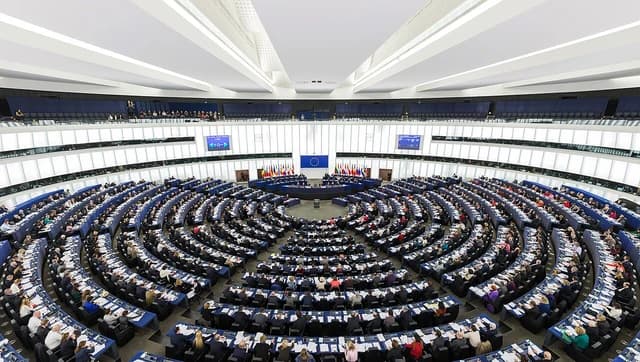
A group of five countries argued in a joint Politico article that the EU should use its existing resources more efficiently rather than simply increase the size of the budget. They want more money for defense, security, innovation, competitiveness and measures against illegal migration, and say too much of the current system is tied up in preset subsidies and transfers that leave the bloc less able to respond to new risks.
That pitch lands directly against countries that rely more heavily on EU funds, which fear any cap on the overall envelope or change in allocation would squeeze agriculture, regional development and cohesion payments. For investors, the dispute is not just an intra-bloc political fight: it will help determine how much fiscal support Europe can channel into defense and industrial policy at a time of weak growth, security concerns and pressure to keep debt under control.
Spain has floated a separate workaround, proposing to stretch the repayment schedule for the common debt issued to finance the post-pandemic recovery fund. Madrid says that change could free up about 70 billion euros for the 2028-2034 budget while still allowing the debt to be fully repaid by 2058, easing near-term funding pressure without raising member-state contributions.
The argument now is as much about strategic priorities as about budget size. One camp wants to shift money toward security and competitiveness; the other wants to preserve the bloc’s legacy programs while still finding room for new spending demands.
EU leaders are due to keep negotiating at summits in October, November and December, with the aim of reaching an agreement before the end of 2026. The outcome will set the tone for Europe’s fiscal policy, the winners and losers across member states and sectors, and the scale of support available to industry, agriculture and defense in the second half of the decade.
| Entity | Gains | Losses |
|---|---|---|
| Frugal EU states | ▲Tighter spending, more reallocation | ▼Larger common budget |
| Cohesion and farm recipients | ▲Preserved funding streams | ▼Budget caps and cuts |
| Defense/innovation advocates | ▲More room for new priorities | ▼Status quo spending mix |
| EU fiscal conservatives | ▲Slower contribution growth | ▼Expanded liabilities |