EU budget clash over new revenue sources
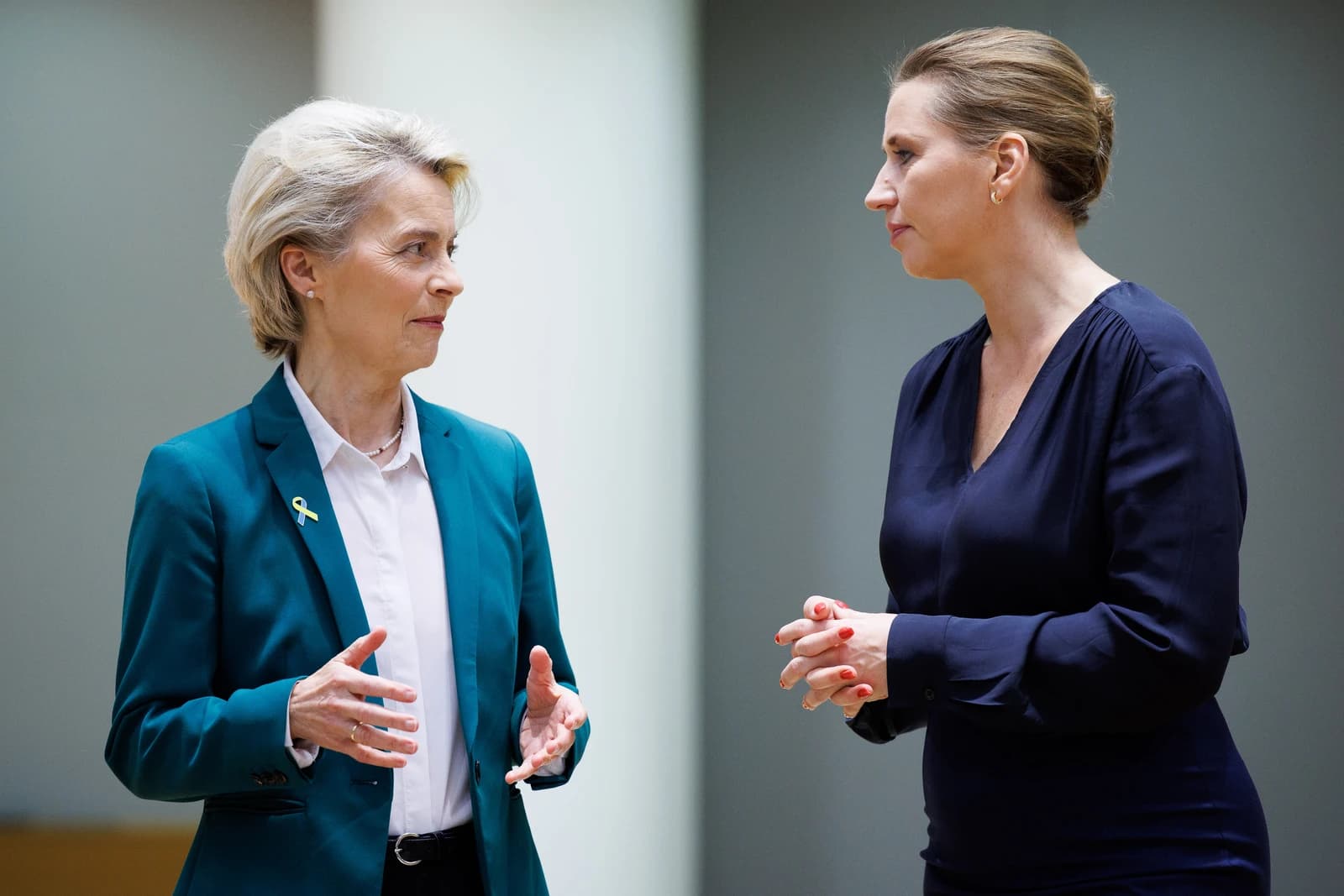
Europe’s next seven-year budget is moving toward a direct clash over who pays for the bloc’s new priorities, with European Council President Antonio Costa saying the EU will need fresh revenue sources or else ask member states for bigger contributions.
That matters because the next multiannual financial framework, covering 2028-2034, will determine how the bloc funds defence, competitiveness, agriculture and research at a time when national budgets are already stretched and political resistance to higher Brussels-level spending is intensifying. Costa’s message is an attempt to break the deadlock by tying new EU taxes to a promise that governments do not have to write bigger cheques from their own treasuries.

The core economic issue is simple: the EU wants more spending capacity without either cutting politically sensitive programs or forcing capitals to absorb higher contributions. Costa said that if Brussels does not create new “own resources”, “we will have to ask for more money from member states,” a choice governments are keen to avoid ahead of elections in France, Italy, Spain and Poland in 2027. In practice, that makes the budget negotiation less about accounting and more about political burden-sharing across a bloc already divided by geography, industrial interests and fiscal room.
The Commission’s original proposal included five levies estimated to raise more than 60 billion euros a year, but several have met stiff resistance. Germany and others oppose the CORE corporate levy, eastern member states reject channeling pollution-related revenues into the EU budget, and the idea of a tobacco tax is controversial because tobacco is already taxed nationally. Costa’s argument is that a levy only works as an EU-wide budget tool if it brings in genuinely new money rather than cannibalising national tax bases.
That distinction helps explain why some measures may be easier to sell than others. Costa pointed to crypto assets as a relatively clean option because they are lightly taxed or untaxed in many member states, suggesting a Brussels-level levy there could count as “new” revenue. A digital tax is harder, he said, because governments are split over whether it should hit companies, consumers or advertising revenues, and because some states already have their own versions. That fragmentation makes a common tax base politically fraught even before the European Parliament and Commission weigh in.
The budget fight is also a test of whether the EU can preserve spending on priorities without a larger overall envelope. Costa warned that cuts to defence, competitiveness and agriculture would face resistance from leaders, while trimming administration would not be enough to close the gap. The longer the talks drag on, the more likely capitals are to settle for a smaller package — the kind of outcome that would constrain investment in the bloc’s industrial, security and innovation agenda.
For investors, the immediate market impact is limited, but the policy stakes are broad. A more ambitious EU budget could support defence contractors, infrastructure spending, clean-tech investment and research-heavy sectors, while a narrower deal would reinforce the scarcity of public support across the bloc. The debate also touches companies in tobacco, digital advertising, crypto and heavy industry, all of which could face new tax or levy proposals as governments search for politically saleable revenue.
The timing raises the difficulty further. Ireland is preparing a new negotiating package for October, and Costa wants an agreement by year-end so the next budget can start in January 2028. If that slips, the EU risks a spending gap that would hit farmers, small businesses, researchers and students — and deepen the sense that Europe is trying to expand its strategic ambitions without agreeing who will pay for them.
| Entity | Gains | Losses |
|---|---|---|
| EU institutions | ▲More autonomous funding | ▼Reliance on member-state transfers |
| National governments | ▲Avoid direct tax hikes if own resources expand | ▼Face pressure for higher contributions |
| Tobacco, crypto, digital sectors | ▲Clearer tax framework if compromise narrows | ▼Higher levy risk |
| Farmers, researchers, students | ▲Preserve funding in larger budget deal | ▼Exposed if budget is cut or delayed |