EU coal power share hits record low
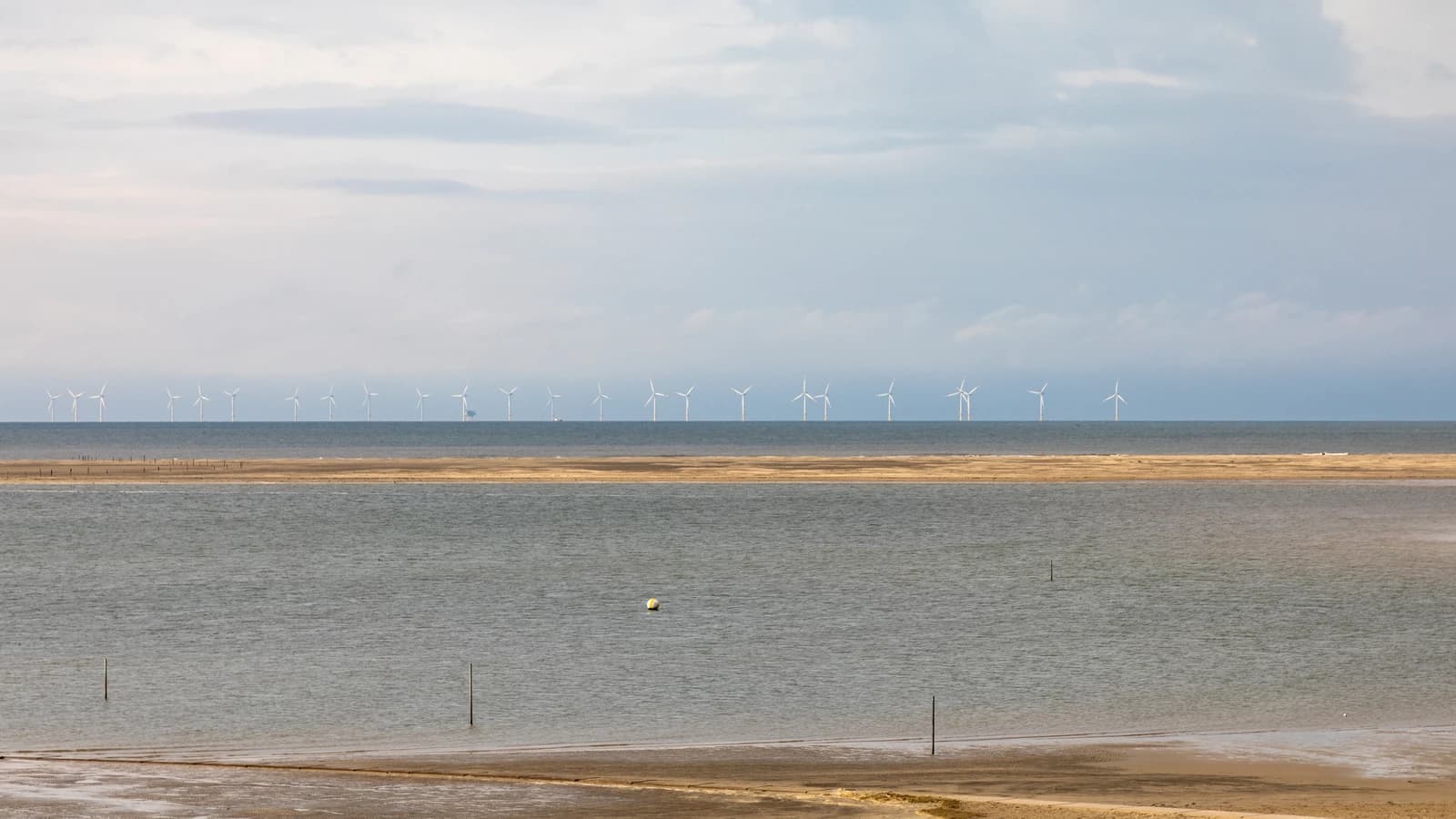
Coal’s share of electricity generation in the European Union has dropped to a record low, underscoring how far the bloc has moved in its decarbonisation drive even as energy security concerns prevent a clean break from the fuel.
The milestone matters because it shows the EU’s power system is being reshaped by cheaper renewables, stricter emissions policy and the retirement of older coal fleets. But it also highlights the limits of that transition: coal has not disappeared, and countries facing supply stress are still willing to lean on it when other sources are unreliable or insufficient.
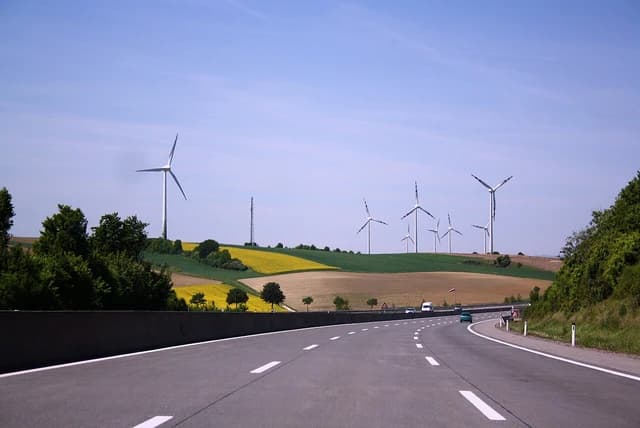
That tension is especially visible in central and eastern Europe. Romania is seeking EU backing to extend coal generation to cover an electricity shortfall, according to the news context, while Germany’s North Rhine-Westphalia has been embroiled in debate over the pace of its coal exit. Poland, meanwhile, has seen a higher share of hard coal in power output, showing that the regional phaseout is uneven and politically contested.
For investors, the record-low share is a mixed signal. On one hand, it is structurally negative for coal miners and coal-fired utilities over the longer term, reinforcing the decline in thermal coal demand in Europe. On the other, it can support near-term economics for the remaining plants and for miners with exposure to markets where coal still serves as a dispatchable backup during droughts, grid stress or renewable shortfalls.
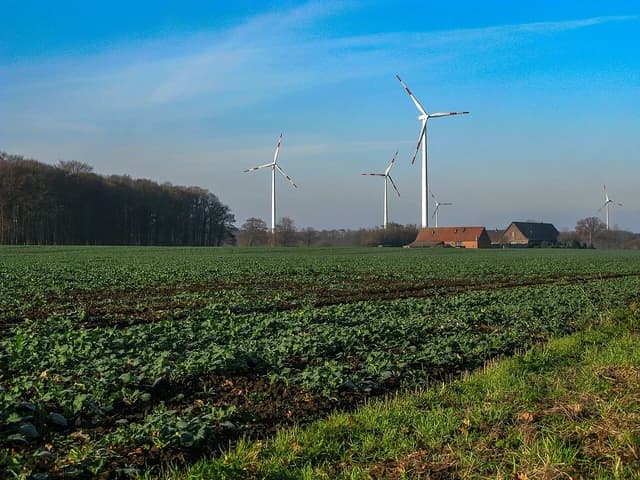
The market picture reflects that split. U.S. coal producers such as Peabody Energy have told investors that thermal coal remains important to the global power mix through the rest of 2026 as governments and utilities prioritise reliability and affordability. That suggests coal is losing share, but not its role as a system stabiliser when Europe’s power balance is tight.
At the same time, the advance of renewables is not automatically translating into smooth system economics. Lower electricity prices in some European markets have already weighed on clean-energy installers and manufacturers, while intermittent generation and network constraints continue to challenge the grid. The result is a power market in transition, where policy targets, fuel economics and reliability requirements are pulling in different directions.
For European policymakers, the record low is a validation of climate strategy, but the Romanian request is a warning that the transition will remain vulnerable to shocks. For investors, the key question is not whether coal is fading — it is whether the decline is orderly enough to avoid periodic rebounds in demand and pricing whenever the grid comes under strain.
| Entity | Gains | Losses |
|---|---|---|
| Renewable generators | ▲More policy support | ▼Coal-market share |
| Coal miners | ▲Short-term backup demand | ▼Long-term EU demand |
| EU policymakers | ▲Emissions progress | ▼Energy-security flexibility |
| Power consumers | ▲Cleaner grid mix | ▼Higher stress during shortages |