EU policy shifts toward defense, AI and China
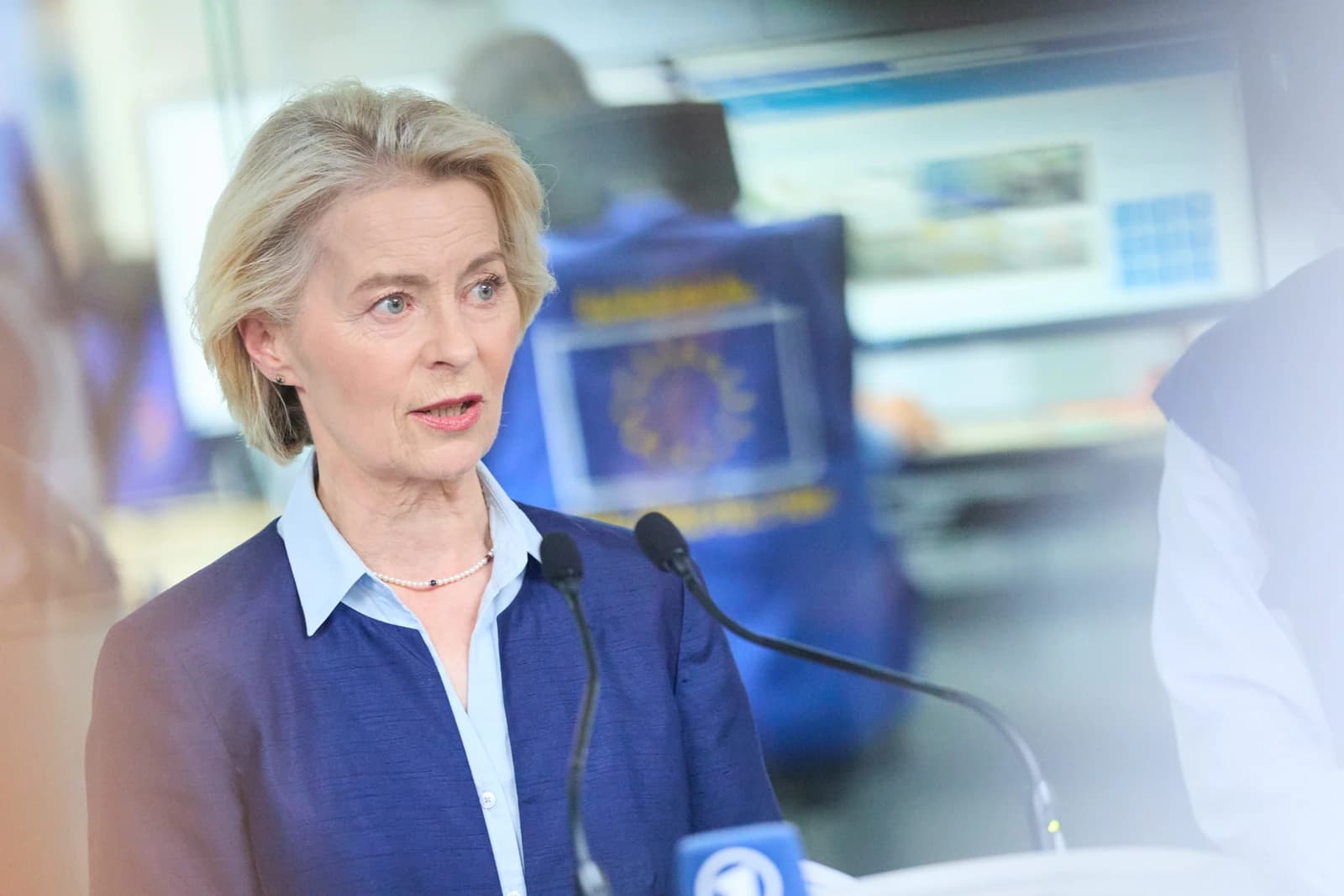
Ursula von der Leyen used her State of the Union address to frame Europe’s biggest economic risk as one of power, not just policy, taking aim at China, Russia and the race to dominate artificial intelligence while arguing the far right is not an inevitable governing force in the bloc.
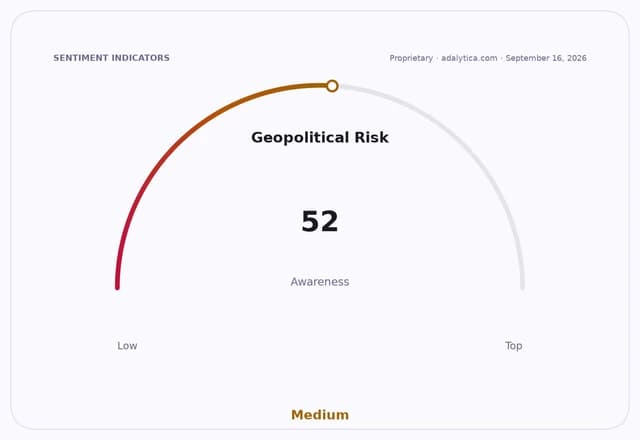
That matters because the European Commission president was not simply making a political speech: she was defining the operating environment for investors, exporters and policymakers at a time when the euro area is struggling with weak growth, elevated geopolitical risk and rising pressure to defend strategic industries. By linking security, industrial policy and democratic resilience, von der Leyen signalled that Brussels is likely to stay on a more interventionist course on trade, technology and defence.
The immediate significance is for Europe’s capital allocation. A tougher line on China and Russia points to more screening of supply chains, greater support for local production and continued support for defence and energy-security spending. Her emphasis on AI also reinforces expectations that the EU will try to catch up with the US and China through regulation, public investment and industrial policy rather than a pure laissez-faire model.
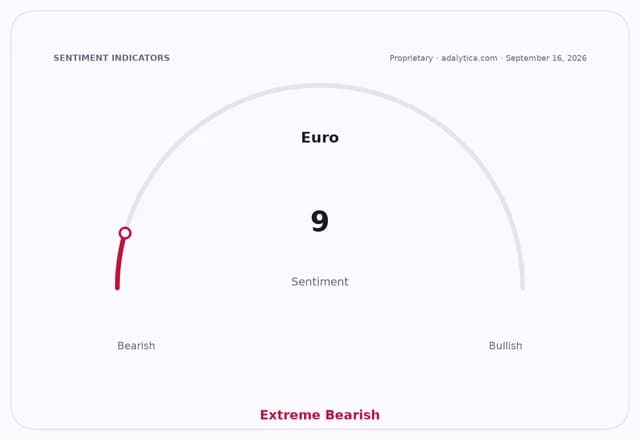
Markets are already pricing a more anxious Europe. Adalytica’s Euro Trade Signals show sentiment at 9, or “Extreme Fear,” even as awareness sits at 93, a sign that the region is heavily watched but viewed with deep caution. A separate global stability gauge shows sentiment at 11, also in “Extreme Fear,” underscoring how geopolitical stress is dominating the macro backdrop. That combination tends to support defensive positioning, keep pressure on cyclical European assets and raise the premium on firms exposed to public spending, rearmament and strategic autonomy.
The political message is equally important. Von der Leyen’s reference to Hungary as evidence that Europe is not condemned to the far right suggests Brussels will continue to treat rule-of-law disputes and democratic standards as market-relevant issues, not merely constitutional ones. For investors, that affects everything from EU budget transfers and cohesion funding to the stability of policy-making in member states most exposed to populist politics.
The broader narrative is that the European Union is moving from a rules-based single-market project toward something closer to a geopolitical economic bloc. That shift may help European contractors, infrastructure groups, AI infrastructure providers and defence stocks, but it also raises costs for import-dependent manufacturers, complicates ties with China and keeps pressure on companies caught between US and EU regulatory regimes.
For investors, the key question is not whether Brussels will become more activist — it already is — but whether Europe can turn that activism into productivity gains rather than just higher costs. If it can, the region’s strategic sectors may re-rate. If it cannot, von der Leyen’s tougher posture may still leave Europe safer, but not necessarily stronger.
| Entity | Gains | Losses |
|---|---|---|
| EU defence and security firms | ▲Higher spending | ▼Export controls risk |
| AI and digital infrastructure providers | ▲Policy support | ▼Heavier regulation |
| China-linked exporters to Europe | ▲— | ▼Trade friction |
| Far-right parties in Europe | ▲— | ▼Political pressure |