EU delays Russia sanctions renewal vote
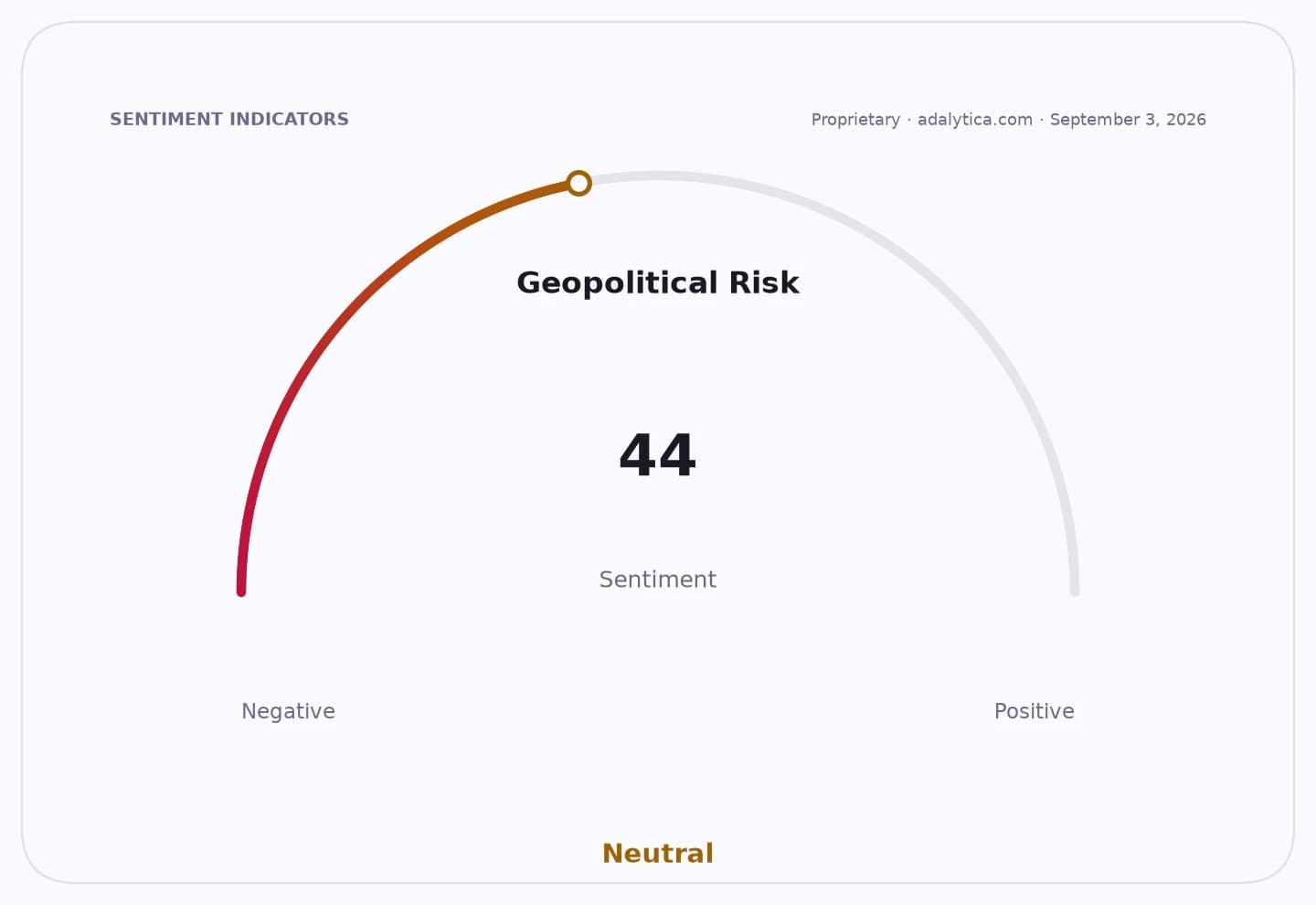
The European Union has pushed back a decision on renewing sanctions on more than 3,000 Russian individuals and companies, a delay that matters because it raises the risk of an avoidable lapse in one of Brussels’ most important pressure tools on Moscow just as Ukraine’s financing needs are worsening.
EU ambassadors postponed the vote until Sept. 9 after failing to agree on whether the blacklist should be extended for 12 months or kept on the bloc’s traditional six-month cycle, European Pravda reported. The current individual sanctions are due to expire on Sept. 15, leaving a narrow window for a unanimous deal among the 27 member states.
The immediate economic significance is less about market disruption than about policy credibility and enforcement. Sanctions on oligarchs, companies and other entities are designed to constrain Russia’s ability to finance its war and to maintain political pressure on the Kremlin. Any delay signals to Moscow that unanimity remains a structural weakness in the EU’s sanctions architecture, even as the bloc tries to shift toward longer renewal periods to reduce veto risk.
Slovakia emerged as the key holdout, according to the report, saying it was not ready to back a one-year extension and instead supporting a six-month renewal with some names removed. That matters because sanctions policy in the EU still depends on consensus, giving individual governments outsized leverage to slow or dilute measures. Hungary has repeatedly used the same mechanism in past renewal fights, and the new delay shows the problem has not gone away even as Brussels has tried to harden the regime.
For investors, the episode reinforces two tradeable themes. First, sanctions risk remains a live variable for Russian assets and for European companies with indirect exposure to the war, from energy and shipping to industrial supply chains. Second, the policy path is increasingly uneven: the EU has already extended its broader economic sanctions until July 2027, but individual listings remain subject to more frequent political bargaining. That reduces the probability of a clean, linear escalation and raises the chance of episodic headline risk instead.
The delay also comes as the bloc prepares a broader sanctions package that could add about 1,600 more people and entities to restrictive lists, according to earlier diplomatic reporting. In parallel, EU capitals are revisiting the far more contentious question of whether to use roughly €200 billion of frozen Russian sovereign assets to help fund Ukraine. That debate matters more economically because it could shift the burden of war financing away from European taxpayers and onto immobilized Russian state assets, but it remains politically and legally fraught after Belgium previously blocked a similar “reparations loan” proposal.
Ukraine’s cash needs sharpen the stakes. President Volodymyr Zelensky has said his government faces a €23.1 billion defense funding gap, a reminder that every delay in allied support or sanctions enforcement has real fiscal consequences on the ground. The EU’s hesitation on renewals is unlikely to change the war’s immediate trajectory, but it weakens the appearance of unity at a moment when Kyiv is looking for stronger, faster and more durable backing.
The next catalyst is Sept. 9, when ambassadors are expected to return to the issue. If they settle on a compromise, the market impact should be limited. If they do not, the risk grows that sanctions become another front in Europe’s political fragmentation, with Russia the likely beneficiary and Ukraine the immediate loser.
| Entity | Gains | Losses |
|---|---|---|
| Russia | ▲More time; sanctions uncertainty | ▼None immediately |
| Ukraine | ▲Potentially broader future sanctions | ▼Funding and pressure delay |
| EU hawks | ▲Chance to harden regime later | ▼Policy credibility slips |
| Slovakia/hungary-style holdouts | ▲More bargaining leverage | ▼Pressure from partners |