EU LNG Sanctions Favor Exporters and Infrastructure
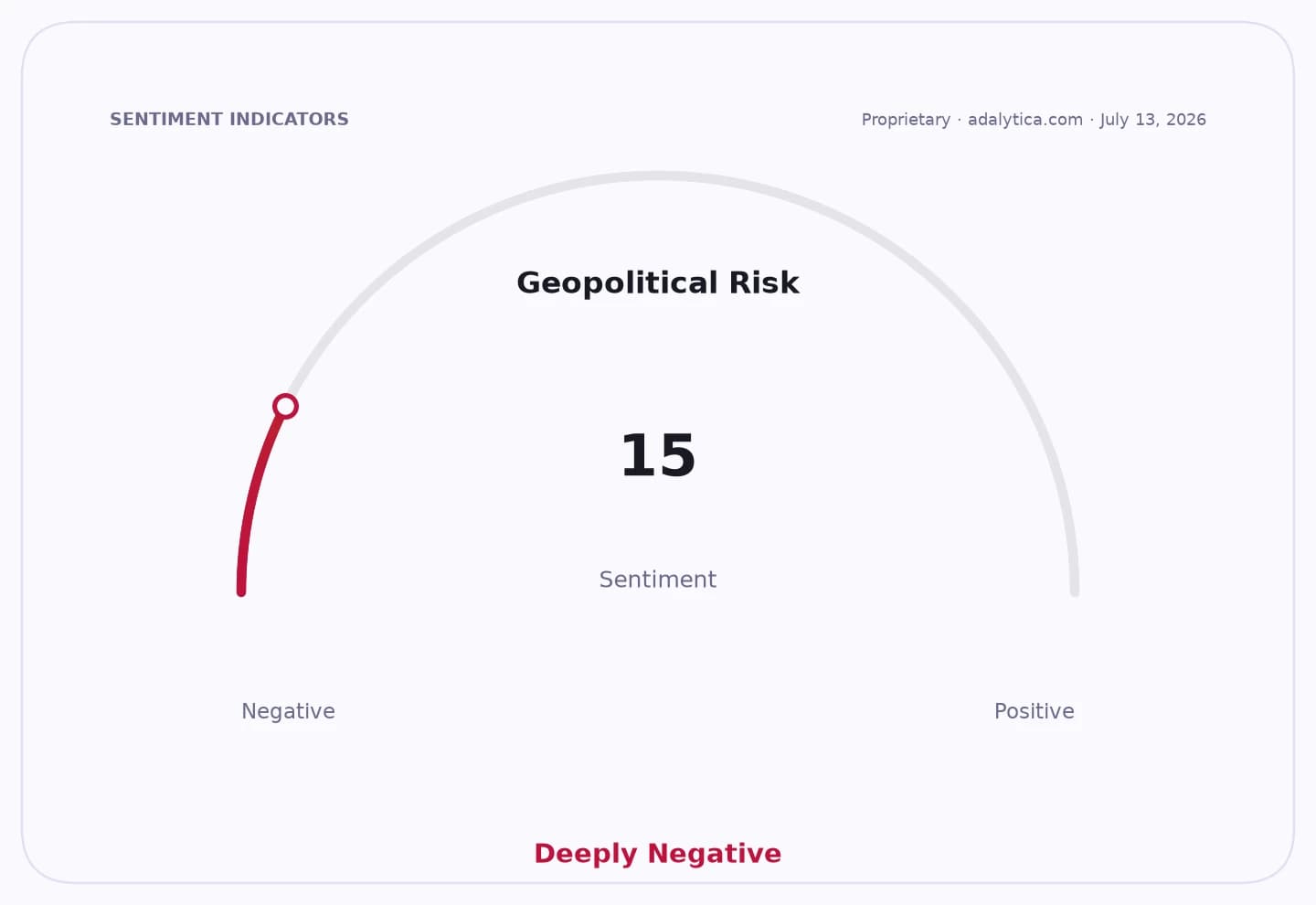
Europe’s sanctions regime on Russian LNG is set to tighten after the summer maintenance season, but the bigger market story is that the policy still leaves room for cargoes, ships and buyers to keep moving through the cracks. That matters because Russia remains one of the few swing suppliers in a gas market already being jolted by Middle East tensions, and any uneven enforcement can keep European prices volatile while reshaping long-term LNG flows toward the U.S., Qatar, the Gulf and other non-Russian suppliers.
The economic significance is straightforward: Europe is still trying to reduce dependence on Russian molecules without blowing a hole in its own energy security. If sanctions on LNG tankers are only partially effective, Moscow can preserve export revenue longer than policymakers intend, while European utilities and industrial users remain exposed to price spikes whenever supply fears flare. The result is a market that looks better supplied on paper than it may be in practice.
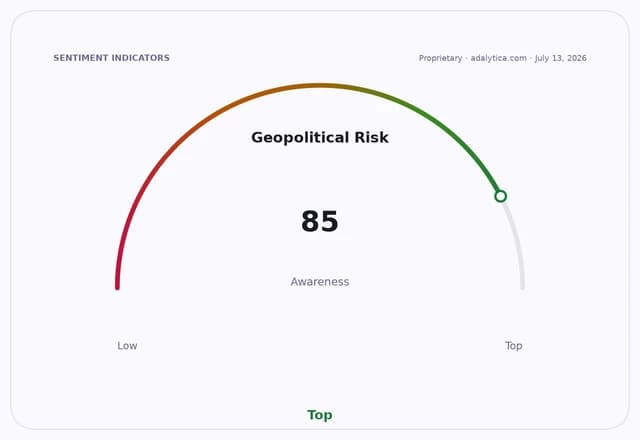
That’s why the latest trade and policy signals matter so much. EU action after maintenance season is meant to choke off a key logistics channel for Russian LNG, but the news flow around ADNOC’s 15-year supply deal with Japan’s Inpex and PETRONAS’ new contract with Shizuoka Gas shows where the market is heading: toward long-duration, politically safer supply lines. Those are the contracts investors should care about. They lock in demand for exporters with credible spare capacity and reinforce the pricing power of the suppliers outside Russia who can offer reliability in a constrained market.
The backdrop is still tense. Attacks on LNG tankers near the Strait of Hormuz have reminded traders that the market is one incident away from another squeeze, and the International Gas Union has warned that declining LNG supplies could keep gas pressure low across global markets. In other words, Europe is trying to police Russian LNG just as the world’s other major gas chokepoints are getting riskier. That combination is bullish for infrastructure, shipping, U.S. export capacity and selected Asian suppliers with long-term offtake visibility.
For investors, the thesis is not just that gas prices can stay supported. It is that sanctions loopholes, geopolitics and buyer anxiety are accelerating a structural rerouting of LNG trade. That tends to favor the toll roads of the sector: liquefaction developers, LNG carriers, regasification infrastructure and contract-heavy exporters with exposure to Asia and Europe. It is less favorable for spot-dependent buyers and for any trader assuming Russian supply is being removed cleanly from the system.
The market is already telling you where the opportunity lies. U.S. gas futures remain elevated relative to the lows seen earlier this year, while Europe’s policy mood is turning more cautious, not less, as geopolitical risk rises. I believe this is still an early-stage reallocation story, not a settled one. The winners are the exporters and infrastructure owners that can sign 10- to 20-year contracts now. The losers are buyers counting on sanctions to do the work of replacement supply.
If you want to position for the next phase, focus on LNG infrastructure, shipping and contracted export names rather than chasing short-term gas direction. The loopholes in the EU regime are not just a policy footnote — they are a reminder that LNG is becoming one of the most strategically priced assets in global energy.
| Entity | Gains | Losses |
|---|---|---|
| U.S. LNG exporters | ▲Longer-term demand | ▼— |
| Gulf suppliers | ▲Market share gains | ▼Russian cargoes |
| European buyers | ▲— | ▼Higher price risk |
| Russian LNG trade | ▲Sanctions friction | ▼Export flexibility |