EU Recovery Fund Delay Risks Euro and Cyclicals
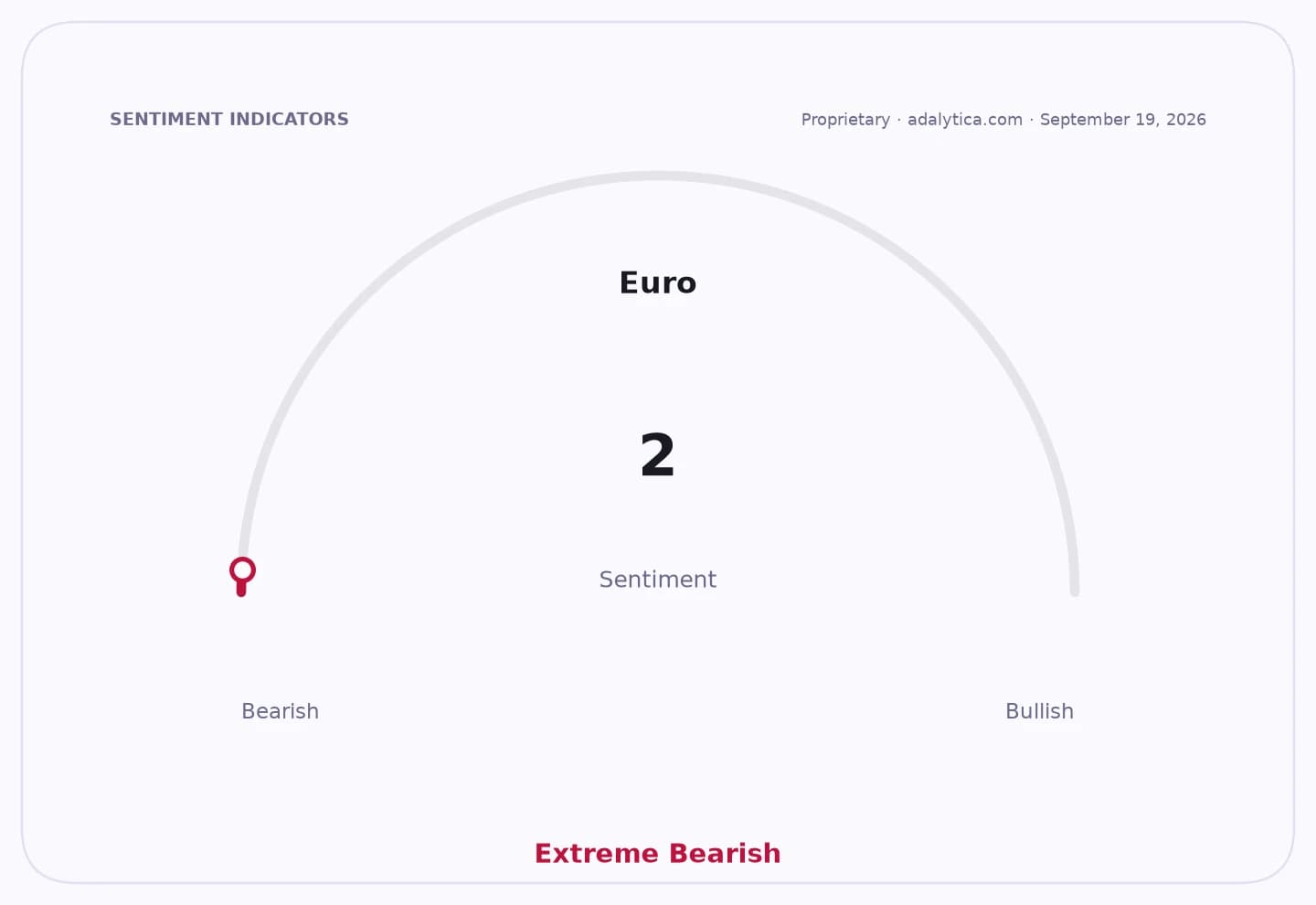
Europe’s recovery package is being held hostage by Hungary and Poland, and the longer the standoff drags on, the greater the risk to the region’s reopening trade, the euro and the investment case for European equities.
That is why Germany’s Europe minister called any further delay of the European Union’s €1.82 trillion long-term budget and coronavirus recovery plan “irresponsible,” a sharp signal that Brussels is increasingly prepared to move without Budapest and Warsaw if necessary. The issue is not political theater; it is capital deployment. The package is meant to channel hundreds of billions of euros into pandemic-hit economies that need support to rebuild growth, shore up labor markets and fund the next phase of infrastructure and digital investment.
For investors, the message is clear: the market underestimates how important this agreement is for the euro area’s growth impulse. A prolonged impasse would keep pressure on the common currency and deepen uncertainty around EU fiscal cohesion just as the bloc is trying to reassert itself after the pandemic shock. The euro has been trading near $1.15, with technical readings still soft: the pair remains below its 200-day moving average, and relative strength indicators are only modestly recovering from oversold levels. That is consistent with a market waiting for policy clarity rather than pricing in a clean growth rebound.
The bigger opportunity is in what happens if the deadlock breaks. A functioning recovery fund would accelerate spending in central and eastern Europe, where EU transfers are often a direct driver of public investment, bank lending and corporate capex. That matters for exporters, construction names, industrials and broader European cyclicals, while also supporting the region’s currencies. The Polish zloty has already shown how sensitive it is to the political backdrop, and euro-area investors know that a credible fiscal backstop tends to compress risk premia across the bloc.
There is also a second-order market effect in bond markets. German and other core euro-zone yields have been under pressure from the broader growth and policy debate, while junk-bond spreads remain far below crisis peaks, suggesting credit markets are not yet pricing a full-blown rupture. But if the EU package is delayed much longer, investors should expect more volatility in peripheral spreads, a weaker euro and a renewed preference for defensive assets over European domestic cyclicals.
The real narrative here is not simply a veto fight. It is a contest over whether the EU can turn a pandemic emergency into a durable fiscal engine. If Hungary and Poland relent, the beneficiaries will be European banks, infrastructure plays, industrials and the euro itself. If they do not, Brussels may try to move on without them — a reminder that political fragmentation still has a direct price in European assets. For investors, the asymmetric trade is to stay positioned for a resolution, but keep a close eye on currency and credit exposure until Brussels gets the package across the line.
| Entity | Gains | Losses |
|---|---|---|
| EU recovery fund supporters | ▲Faster stimulus rollout | ▼None |
| Hungary and Poland | ▲Concessions leverage | ▼Political isolation |
| Euro and European cyclicals | ▲Growth support, risk appetite | ▼Delay and uncertainty |
| Exporters/importers in Europe | ▲Clearer demand outlook | ▼Currency and policy volatility |