EU plans new Russia sanctions for autumn
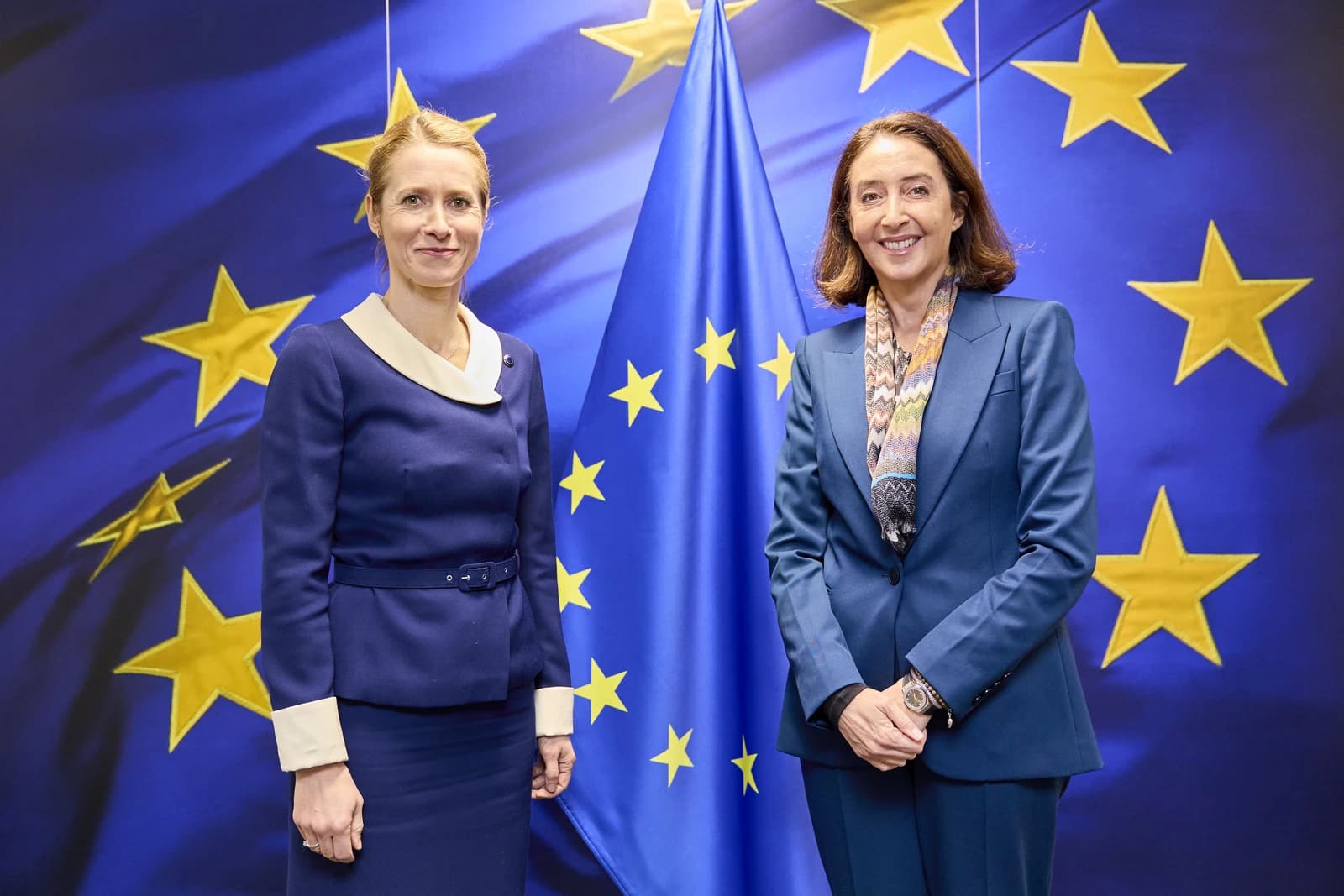
The European Union is preparing a new round of tougher sanctions on Russia this autumn, a move that could deepen Moscow’s economic isolation and add to already heavy pressure on energy, trade and finance channels tied to the war in Ukraine.
EU foreign policy chief Kaja Kallas said the bloc is working on fresh measures after successive sanction packages failed to force an end to the conflict. For investors, the key issue is less the symbolic vote than the risk of tighter enforcement, broader secondary effects and another layer of uncertainty for European companies with exposure to Russia, its trading partners and commodity markets.

The policy push matters economically because sanctions have become one of Europe’s few direct levers over the war’s cost curve. Further restrictions could complicate Russian access to hard currency, technology and shipping services, while also affecting third-country firms that help move goods, insurance or financing through channels still linked to Moscow.
That keeps the market impact concentrated in energy, industrials and commodity-sensitive assets. Oil and gas traders will watch for any measures that target shadow-fleet shipping, liquefied natural gas or payment mechanisms, while defense and cybersecurity groups may gain from expectations of prolonged geopolitical strain and higher European security spending.
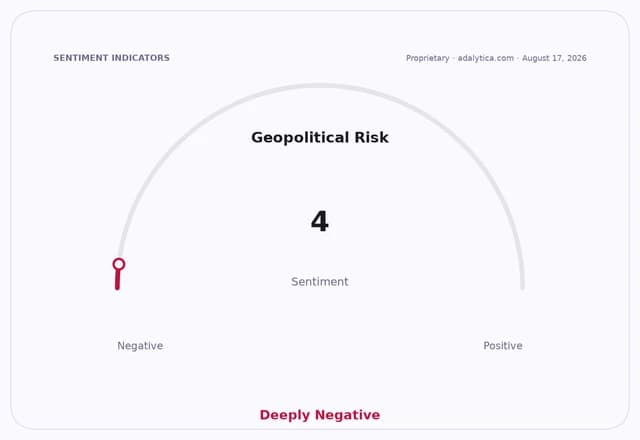
The broader backdrop is a sanctions regime that has already reset supply chains and raised compliance costs across Europe. Ukraine has backed tighter coordination with Western partners, and the US has also moved toward tougher restrictions, increasing the odds that the next EU package is designed to align more closely with Washington and close loopholes that have let Russian trade continue through intermediaries.
For investors, the immediate read-through is that geopolitics remains a live macro risk rather than a background headline. European equities with Russia exposure, energy prices and the euro could all react if the autumn package is broader than expected or if Moscow retaliates with countermeasures.
| Entity | Gains | Losses |
|---|---|---|
| EU policymakers | ▲Leverage over Moscow | ▼Higher compliance burden |
| Ukraine | ▲More pressure on Russia | ▼Continued war uncertainty |
| Russia | ▲Diplomatic defiance narrative | ▼Harder access to trade and finance |
| Energy/commodity traders | ▲Volatility and pricing opportunities | ▼Disruption risk |