EU Security Council Plan and Defense Spending
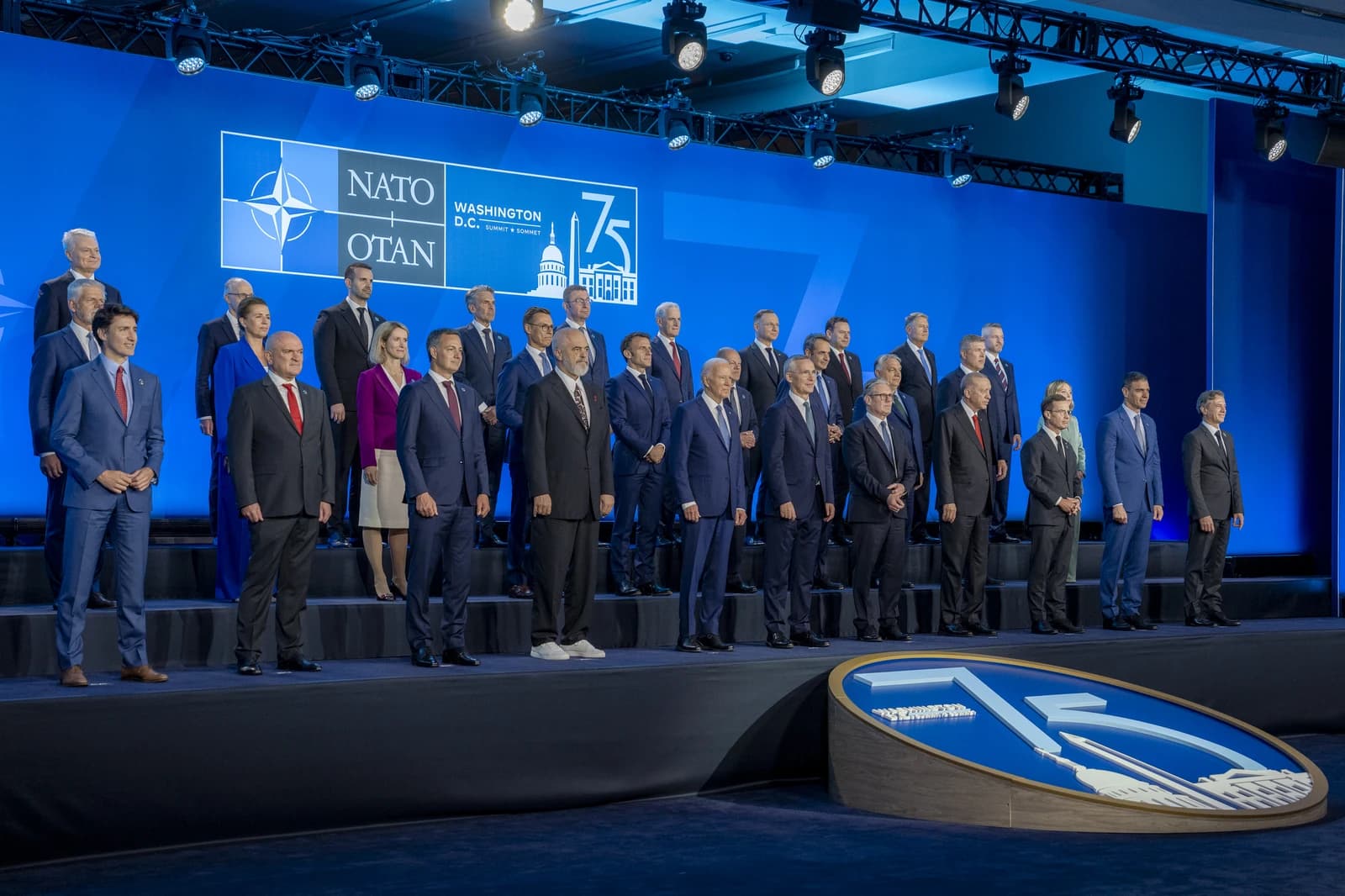
Ursula von der Leyen’s push for a new European security council may widen the bloc’s diplomatic circle, but it does not solve Europe’s far bigger problem: it remains exposed to Russian coercion and dependent on the United States for hard security.
The European Commission president’s proposal would bring Canada, the UK and Ukraine into a looser strategic forum alongside EU powers, a gesture that underscores the bloc’s desire to build a broader coalition of like-minded democracies. It is politically useful. It signals solidarity with Ottawa at a time when Canada is in a trade fight with the US, and it gives Brussels a way to project relevance as Europe braces for another year of geopolitical strain.
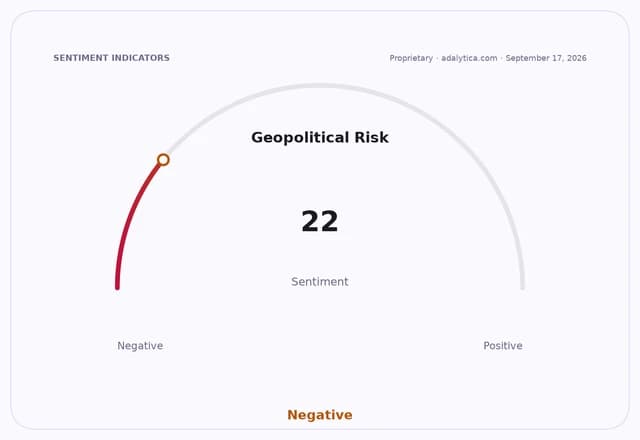
But markets and policymakers should not mistake symbolism for capability. Europe’s security crisis is about deterrence, escalation management and military capacity, not club membership. A new council could improve coordination on hybrid threats — cyberattacks, drone incursions, sabotage of railways and energy grids, even undersea cable cuts — yet those tools are only part of the threat picture. Russia’s willingness to probe weak points, and Washington’s drift toward disengagement, are the real structural risks.
That is why the economics matter. Security gaps are becoming a fiscal issue, an industrial issue and a market issue. Europe is being pushed toward higher defence spending, more domestic production, more stockpiling of critical materials and more resilient energy and transport infrastructure. Those are long-cycle capex themes that can benefit defence contractors, cybersecurity firms, utilities, grid equipment makers and suppliers tied to surveillance, drones and communications hardening. They also imply tighter government budgets, heavier issuance and more pressure on growth-oriented spending elsewhere.
For investors, the key point is that Brussels’ new language does not eliminate the need for a deeper rearmament trade. The market underestimates how much of Europe’s defence response will have to be executed outside the EU’s slowest institutions, through bilateral arrangements, NATO, and ad hoc coalitions of the willing. That favors companies with existing capacity, export reach and exposure to missile defence, air defence, electronic warfare and cyber resilience. It also strengthens the case for supply-chain winners that can sell into a multi-year buildout of critical infrastructure.
The proposal may also have second-order consequences for trade and capital flows. A more assertive European security posture, especially if it includes stronger cooperation with the UK, Canada, Japan, Australia and India, supports a broader reshaping of Western industrial policy around raw materials, semiconductors, energy security and dual-use technology. In other words, this is not just a foreign-policy story. It is a capital-allocation story.
Bond markets are already telling part of that story. The US 10-year Treasury yield sits around 5.03%, with the 2-year near 4.77%, while the curve remains mildly positive. That backdrop keeps financing conditions tight even as governments prepare to spend more on defence and resilience. In Europe, that means the funding burden of security will compete with social spending, and investors should expect more pressure on sovereign balance sheets as defence commitments rise.
The strategic lesson is simple: Canada’s symbolic embrace of Europe is welcome, but it is not a substitute for hard power. The real investment opportunity lies in the companies and sectors that will be paid to close the gap between Europe’s rhetoric and its battlefield reality. I would treat the EU’s new security architecture as a confirmation, not a catalyst — and position for the long duration defence, cybersecurity and infrastructure trade that follows from a continent finally accepting that it must do more on its own.
| Entity | Gains | Losses |
|---|---|---|
| Defence contractors | ▲Higher spending | ▼Policy delay |
| Cybersecurity firms | ▲More demand | ▼Complacency |
| EU diplomats | ▲Broader coalition | ▼Hard-power weakness |
| Taxpayers/budgets | ▲Little | ▼Higher fiscal burden |