Euro Slips as EU Political Risk Rises
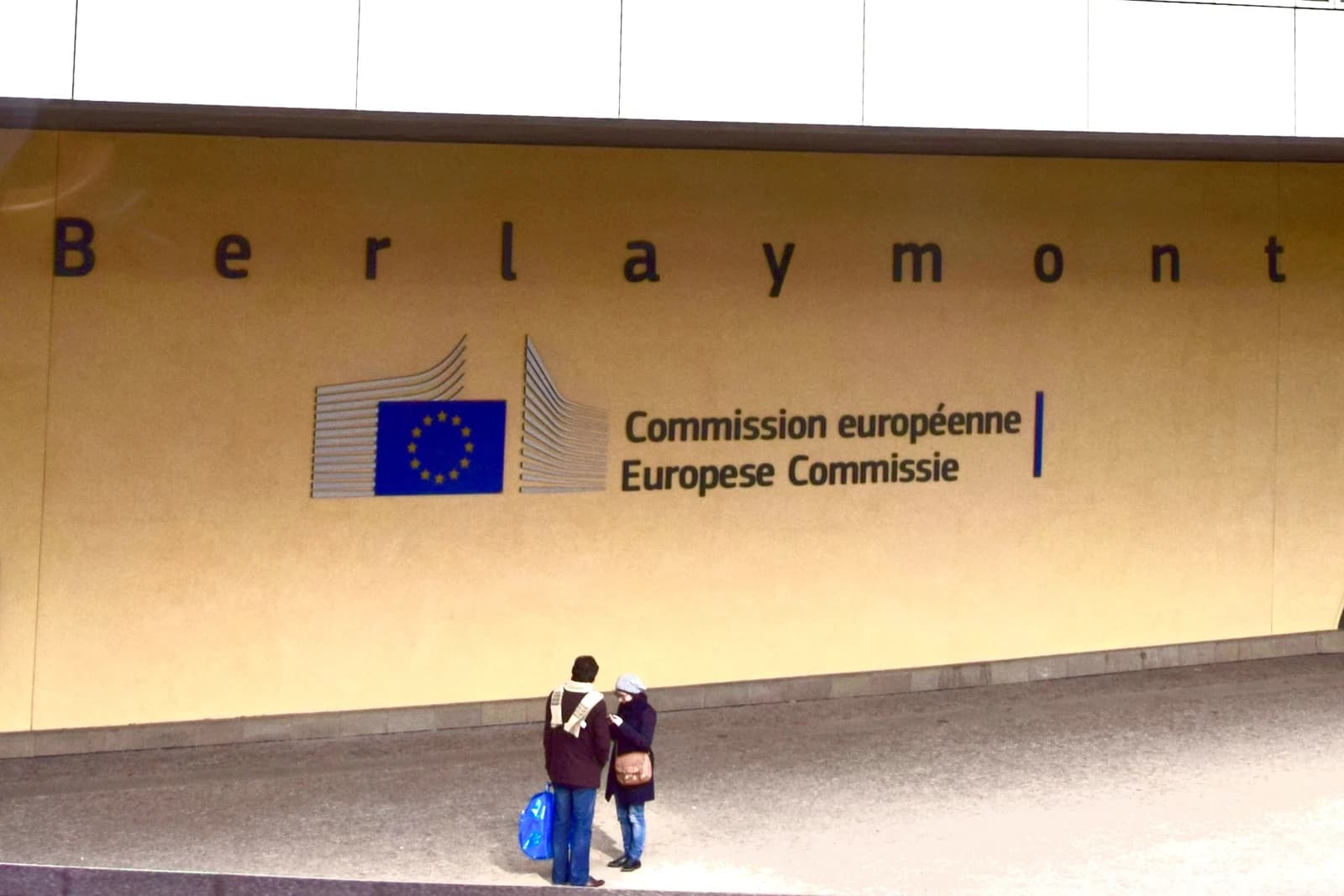
Europe’s single currency and its regional equity funds are being priced as if the European Union is entering a more fragile phase, with investors confronting a mix of geopolitical pressure from Russia and a domestic political backlash that could weaken the bloc from within. For investors, that matters because the EU’s ability to act quickly on defense, trade and fiscal policy depends on political cohesion — and cohesion is exactly what is under strain.
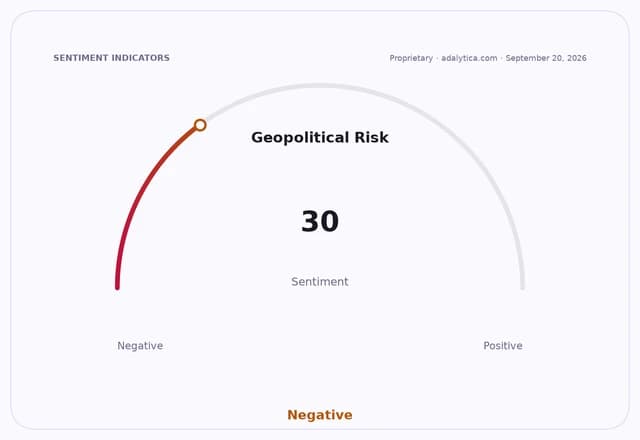
That strain is showing up not just in headlines, but in market behavior. The euro has slipped back toward $1.15, with conventional technical indicators pointing to a soft patch: the currency is below its 200-day moving average, and RSI readings in the high 20s and low 30s suggest oversold conditions rather than clear momentum. The euro trade sentiment gauge from Adalytica.com is sitting at 7, labeled “Extreme Fear,” underscoring how quickly confidence has faded.
European equities have held up better, but they are not immune. The VGK Europe ETF recently traded near $88, below its 50-day average, while the EZU eurozone fund has also cooled after earlier strength. Both sit above their 200-day moving averages, which tells long-term investors the broader trend is still intact, but the short-term message is less comfortable: Europe is being forced to absorb political risk at the same time it faces external economic pressure.
The real story is about how much the European project can spend, coordinate and respond when the outside world is getting harsher. Russia remains a security threat that keeps defense spending high and energy policy politically sensitive. At the same time, the rise of far-right parties in several member states makes compromise harder on migration, budgets and sanctions — all of which are central to the EU’s ability to project strength. If the bloc cannot present a united front, every policy response becomes slower, smaller and more expensive.
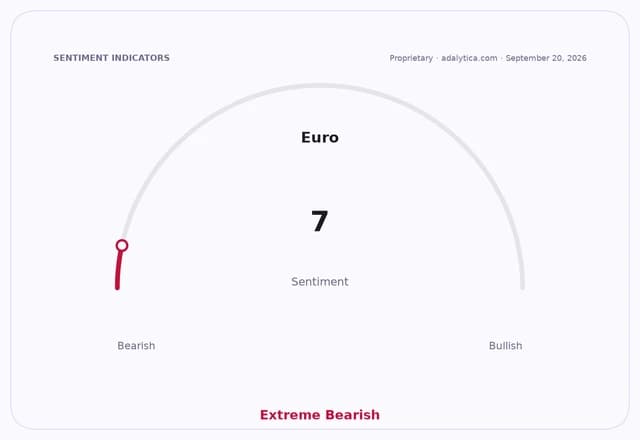
That has economic consequences beyond diplomacy. A divided EU has less leverage in trade disputes, less flexibility in fiscal coordination and less credibility when it asks investors to fund big strategic goals such as defense, industrial policy and the green transition. The broader market backdrop captures that tension: Adalytica’s Global Stability Sentiment has fallen to 30, labeled “Fear,” even after a small one-day bounce. For global investors, that kind of reading usually means demand for European risk assets can stay erratic until politics improve.
Long-term investors should not mistake this for a thesis break on Europe. The region still offers world-class exporters, strong brands, deep capital markets and a common currency that remains central to global portfolios. But the near-term investment case depends on whether the EU can stop letting internal politics short-circuit strategic decision-making. If it can, today’s weakness may prove temporary. If it cannot, the discount on Europe may persist — and that would matter for the euro, for banks, for defense contractors and for anyone buying the region as a steady compounder.
For now, Europe looks investable, but not easy. This is a time to stay diversified, think in years rather than weeks, and keep EU exposure on the watchlist rather than treating it as a simple momentum trade.
| Entity | Gains | Losses |
|---|---|---|
| Eurozone reformers | ▲Strategic budget flexibility | ▼Political gridlock |
| Defense contractors | ▲Higher security spending | ▼Delayed EU coordination |
| Far-right parties | ▲Electoral influence | ▼EU cohesion |
| Euro investors | ▲Potential oversold rebound | ▼Policy uncertainty |