Euro weakens as Le Pen tightens RN control
Marine Le Pen’s grip on the National Rally is tightening even as her relationship with Jordan Bardella frays, a split that could reshape France’s far right without derailing its path to the presidency.
The immediate significance is political, but the economic stakes are real: a more hard-line RN would raise the odds of policy volatility on taxes, immigration, defense spending and relations with the EU and Ukraine, all of which matter for French assets, the euro and investor positioning ahead of the 2027 presidential election.
Reports in Libération and Le Monde say the party’s economic adviser François Durvye was pushed out after backing Bardella for president, a move that exposed an emerging battle over succession and strategy. Bardella, RN’s 29-year-old president and the party’s polished public face, has tried to distance himself from any rupture, saying he is “2,000 percent” behind Le Pen, but the episode underscores how dependent his future remains on the Le Pen family’s internal balance of power.
The tension matters because Bardella has been the face of RN’s effort to soften the party’s image for voters beyond its core base. Le Pen and her allies now appear to be reversing that tack, with recent calls to ban the Muslim headscarf and cut French aid to Ukraine aimed at the party’s most committed voters rather than the moderates she needs to win a second-round runoff.
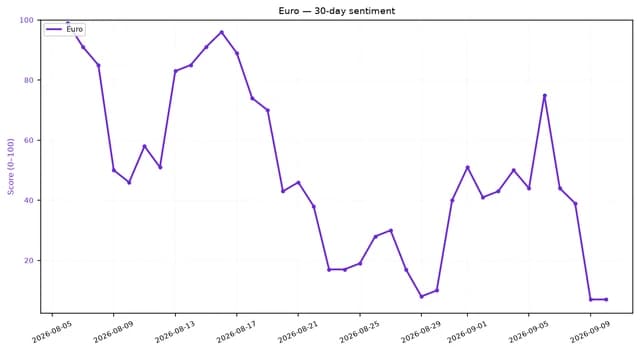
That hardening is also what investors should watch. A more aggressive RN platform could complicate market assumptions around fiscal discipline and European policy alignment, especially if Le Pen were to win the presidency and seek a parliamentary alliance with the harder edges of the traditional right. FXE, which tracks the euro, is already showing weak technical momentum, with the 50-day moving average at 106.22 and the 200-day at 106.98, while RSI readings near 40 and a negative MACD point to lingering pressure.
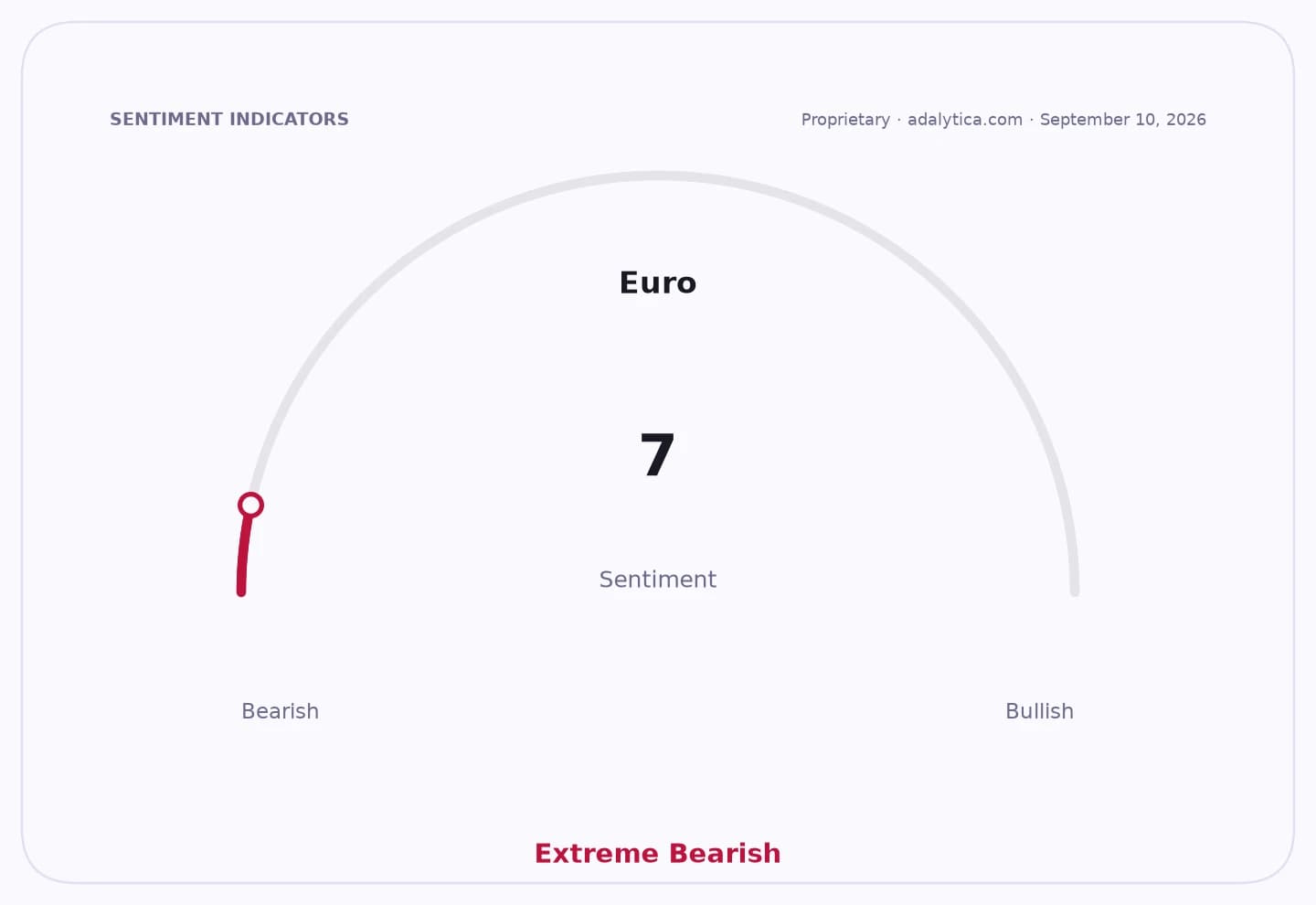
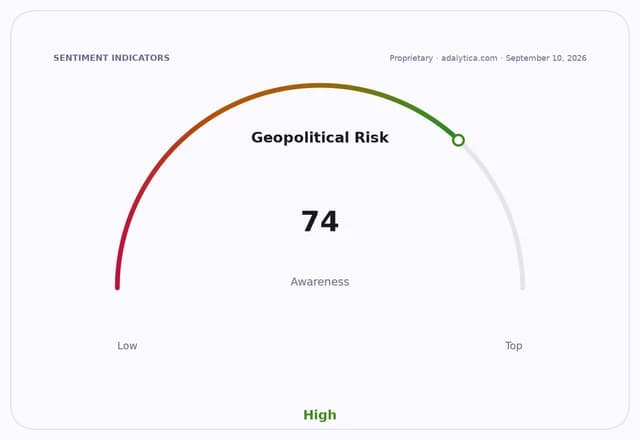
Adalytica’s Euro Trade Signals snapshot also flags “Extreme Fear” in sentiment even as awareness remains elevated, suggesting traders are highly sensitive to political risk across the euro area. That comes alongside a broader rise in European far-right momentum after the AfD’s breakthrough in Saxony-Anhalt, a result Le Pen has pointedly not celebrated publicly.
For now, the most likely outcome is not an open break but a deeper shift in power inside RN, with Bardella increasingly vulnerable and Le Pen more willing to lean into confrontation than moderation. That leaves the party electorally potent, but potentially more disruptive for markets if it reaches the Élysée on a platform less concerned with compromise than with mobilization.
| Entity | Gains | Losses |
|---|---|---|
| Marine Le Pen | ▲tighter control of RN | ▼Bardella’s autonomy |
| Jordan Bardella | ▲visibility as party figurehead | ▼succession prospects |
| RN hard-liners | ▲tougher policy platform | ▼moderate voters |
| Euro / France assets | ▲clearer election risk pricing | ▼policy stability |