Euro slips as ECB fixes rate at $1.1460
The euro slipped against the dollar on Friday, with the European Central Bank setting its reference rate at $1.1460, down from $1.1481 a day earlier, as the greenback remained firm and traders kept betting on a widening U.S. yield advantage.
That move matters because currency shifts feed directly into inflation, import costs and corporate earnings across the euro zone. A weaker euro makes dollar-priced commodities and goods more expensive for European buyers, while also boosting the translated value of overseas revenue for exporters such as industrial and luxury groups.
The ECB’s fixing put one euro at 0.8726 dollar, while the single currency also eased versus other major peers to 0.85880 pound, 180.94 yen and 0.9462 Swiss franc. The decline comes as the dollar has been supported by higher U.S. interest rates and an outlook that keeps Treasury yields attractive relative to Europe.
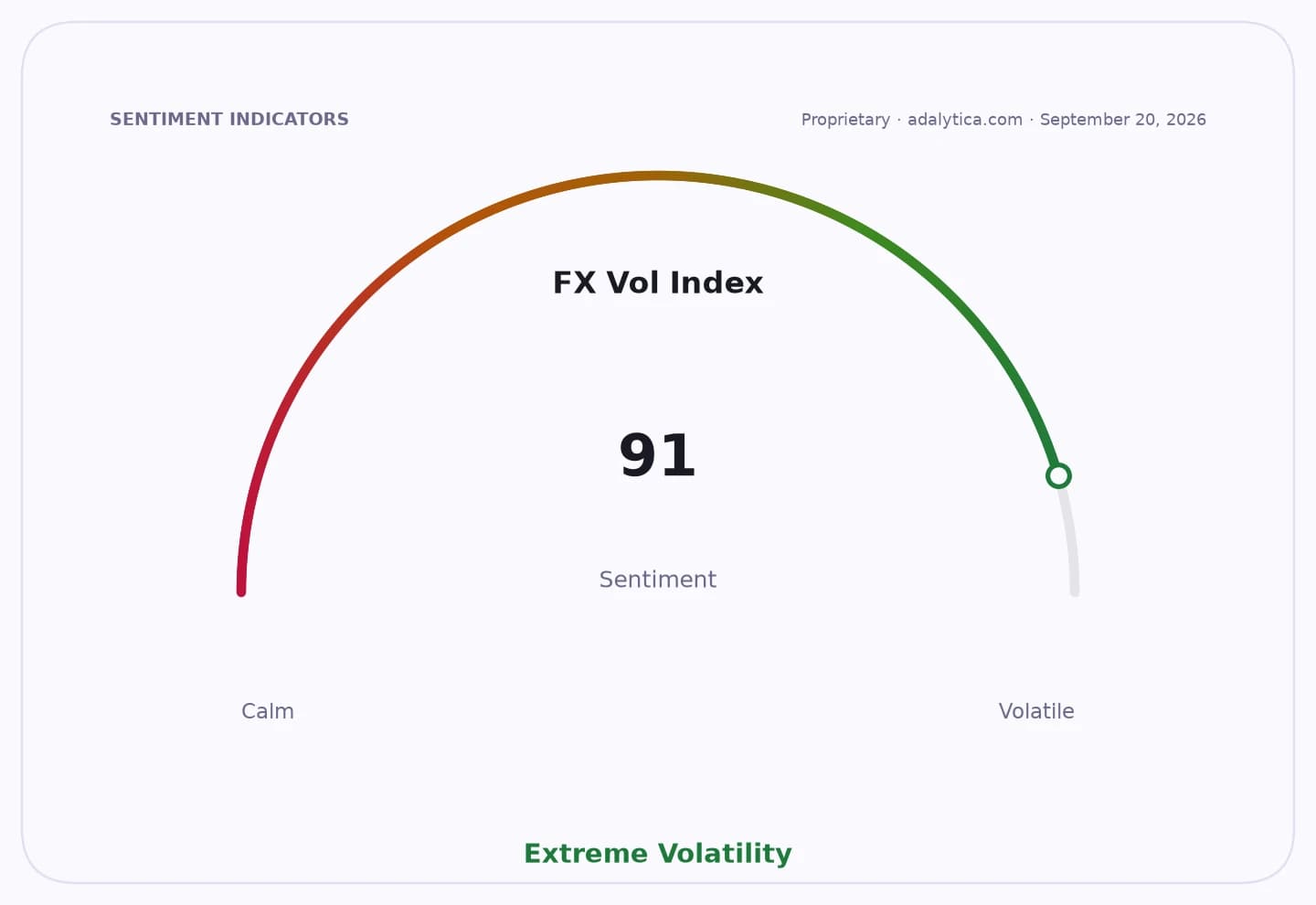
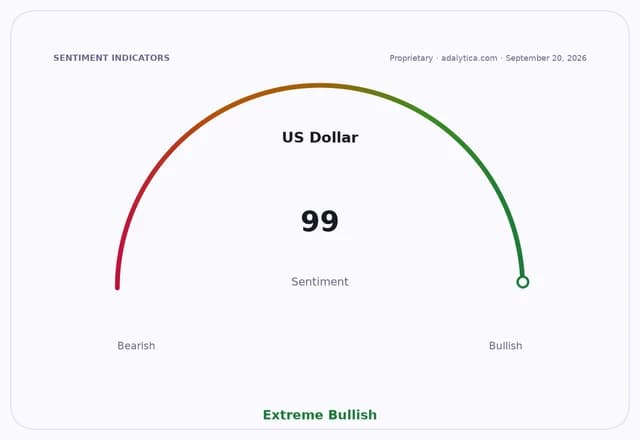
FX markets have also been increasingly volatile. Adalytica’s U.S. dollar trade signals show extreme greed, while its FX volatility gauge points to elevated positioning, suggesting investors are still crowded into dollar longs even after months of gains.
The move leaves the euro near the lower end of its recent trading range, with the 50-day moving average at about $1.15 and the 200-day moving average around $1.16. On that basis, traders are watching whether the common currency can stabilize above the $1.15 area or whether renewed dollar demand pushes it lower.
For investors, the key issue is not just spot FX but what a stronger dollar does to cross-border earnings, emerging-market funding costs and risk appetite. The next catalyst is likely to come from U.S. rate expectations and any signal from the ECB on how long it can hold policy steady without further widening the transatlantic yield gap.
| Entity | Gains | Losses |
|---|---|---|
| U.S. dollar | ▲Higher purchasing power | ▼None in the near term |
| Euro zone exporters | ▲Bigger translated overseas revenue | ▼Importers and consumers |
| ECB | ▲Support for inflation control | ▼Growth-sensitive borrowers |
| Dollar bulls | ▲Momentum in FX positioning | ▼Euro longs |