Euro zone bond yields rise on inflation concerns

Euro zone government bond yields slipped on Friday, but they were still on track to post a fourth straight weekly increase as investors priced in a more stubborn inflation backdrop and pared expectations for how much room central banks have to ease policy.
The move matters because it captures a shift in market psychology: even when yields dip day to day, the broader trend remains higher as traders demand more compensation for inflation risk. That is a headwind for sovereign bond prices, and it ripples through equities, corporate borrowing costs and euro zone financial conditions more broadly.

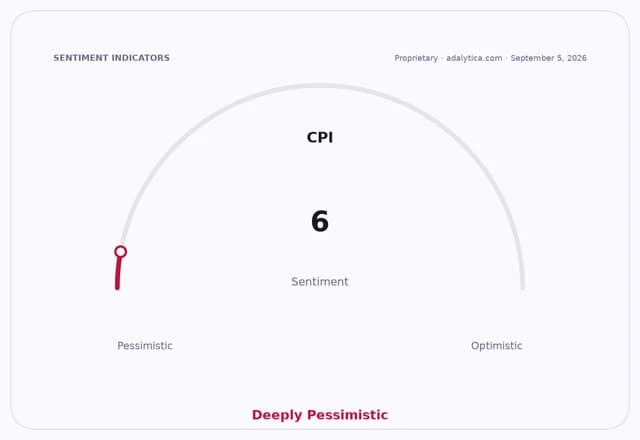
The 10-year euro zone benchmark yield was last around 4.79%, little changed on the day and still slightly below the week’s opening level, but well above the levels seen earlier in the summer. The recent climb has come alongside renewed concern that inflation may prove more persistent than hoped, a view echoed in market gauges and sentiment indicators that point to rising anxiety around the Fed and global price pressures.
Bond weakness is not confined to Europe. U.S. inflation remains sticky enough to keep Treasury yields elevated, reinforcing a global re-pricing of term premium and making it harder for duration assets to rally. That backdrop has also weighed on rate-sensitive assets, even as some technical measures suggest the selloff has not yet become disorderly.
In currency markets, the euro-tracking FXE fund rose to 107.15, above both its 50-day moving average and 200-day moving average, suggesting the single currency has held up even as bond markets reprice policy risk. By contrast, Treasury bond fund TLT, at 82.21, remained below its 200-day average, underscoring that fixed-income investors are still wary of locking in long-duration exposure while inflation confidence stays fragile.
For investors, the message is less about one weak session in yields than about the persistence of a bond-market bear trend. Higher borrowing costs can eventually tighten financial conditions for households, companies and governments, while also challenging equity valuations, especially in sectors whose cash flows are discounted further into the future.
The next catalyst is likely to come from incoming inflation data and central bank commentary. If price pressures remain elevated, the fourth weekly rise in euro zone yields could prove less a pause than another step in a longer adjustment toward a higher-for-longer interest-rate environment.
| Entity | Gains | Losses |
|---|---|---|
| Euro zone lenders | ▲Higher net interest margins | ▼Borrowers facing pricier credit |
| Bondholders | ▲Short-term trading opportunities | ▼Price losses on longer-duration debt |
| Euro area governments | ▲None material | ▼Higher refinancing costs |
| Equities with long duration | ▲None material | ▼Valuation pressure from higher yields |