Euro zone inflation rises to 3.2% in August

Euro zone inflation picked up again in August, underscoring how energy costs are still doing the heavy lifting on prices and leaving the European Central Bank with little room to declare victory over inflation.
Consumer prices in the 20-nation currency bloc rose 0.4% on the month, matching Reuters estimates, while the annual rate came in at 3.2%, just below the 3.3% expected by economists. The reading remains well above the ECB’s 2% target and confirms that the disinflation process has stalled at a level that policymakers are likely to view as uncomfortably sticky.
The detail that matters most is the source of the pressure. Energy was the main driver of the monthly increase, a sign that headline inflation is being pushed higher by volatile external shocks rather than broad domestic demand. That distinction matters for the ECB: energy-led inflation is harder to lean against with interest rates, but it still risks feeding into wages, price expectations and second-round effects if it persists.
Underlying inflation is easing more slowly. Core prices, which exclude energy and food, rose 0.2% from July, pointing to a gradual moderation in the domestic price pipeline. That suggests the bloc is not facing the broad-based inflation surge seen in 2022, but it also shows why the ECB is unlikely to rush into easing. The central bank has spent much of the year trying to balance weaker growth against still-elevated prices, and this report keeps that trade-off in place.
The regional breakdown also shows inflation remains uneven across the bloc. Romania posted the highest annual rate at 6.3%, while Sweden recorded the lowest at 0.3%. That divergence complicates policy because a single interest-rate setting has to fit economies with very different inflation dynamics.
Markets are likely to read the report as mildly hawkish for rates, even if not enough to force an immediate policy shift. Higher energy prices can support inflation-linked assets and keep government bond yields from falling too quickly, while they are a negative for consumers and energy-intensive sectors already coping with tight financial conditions. Reuters data showing Brent and U.S. crude prices well above recent lows reinforces the risk that headline inflation could stay elevated into the autumn.
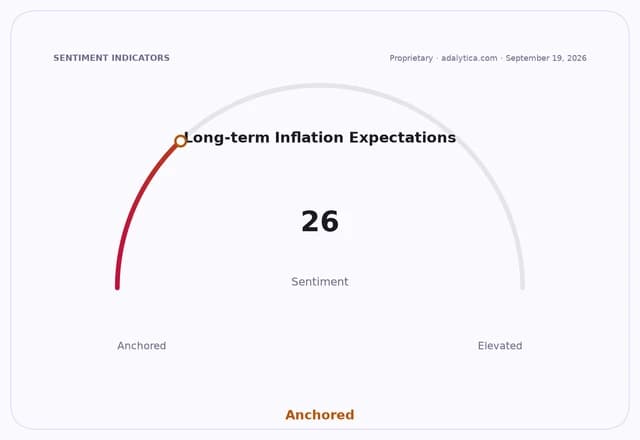
For investors, the bigger question is whether the August print marks a temporary energy bump or the start of a more persistent inflation floor. If oil and gas prices stay firm, the ECB may be forced to keep policy restrictive for longer, supporting the euro in the near term but weighing on growth-sensitive assets. If energy pressures ease, the softer core reading could regain influence and reopen the case for policy relief later in the year.
| Entity | Gains | Losses |
|---|---|---|
| ECB hawks | ▲Policy cover to stay tight | ▼Pressure to ease sooner |
| Energy producers | ▲Higher pricing power | ▼None from this print |
| Consumers in euro zone | ▲None | ▼Higher household costs |
| Bond bulls | ▲Slower disinflation later | ▼Lower chance of near-term rate cuts |